
Last updated August 27, 2026
Free in-home measure and quote - PGT, CGI and CWS impact lines compared on your actual openings, style by style
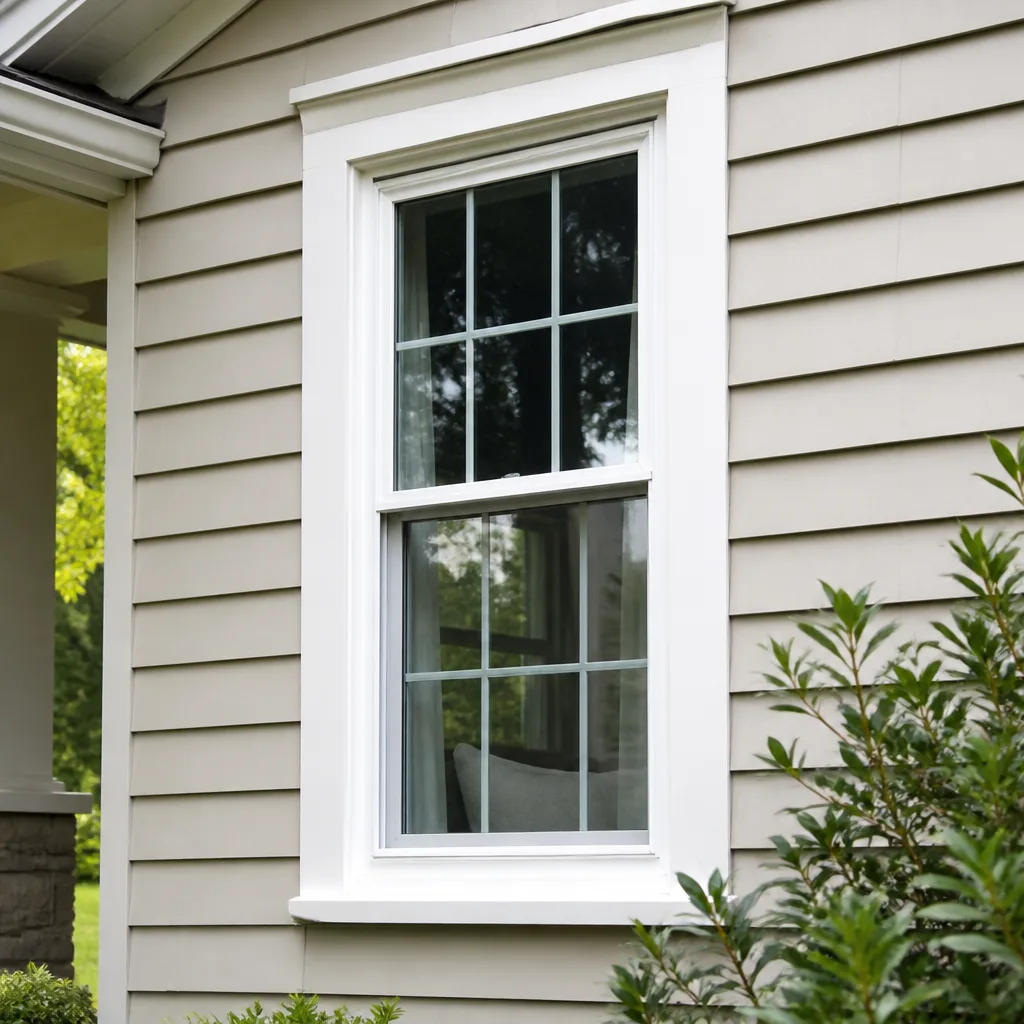
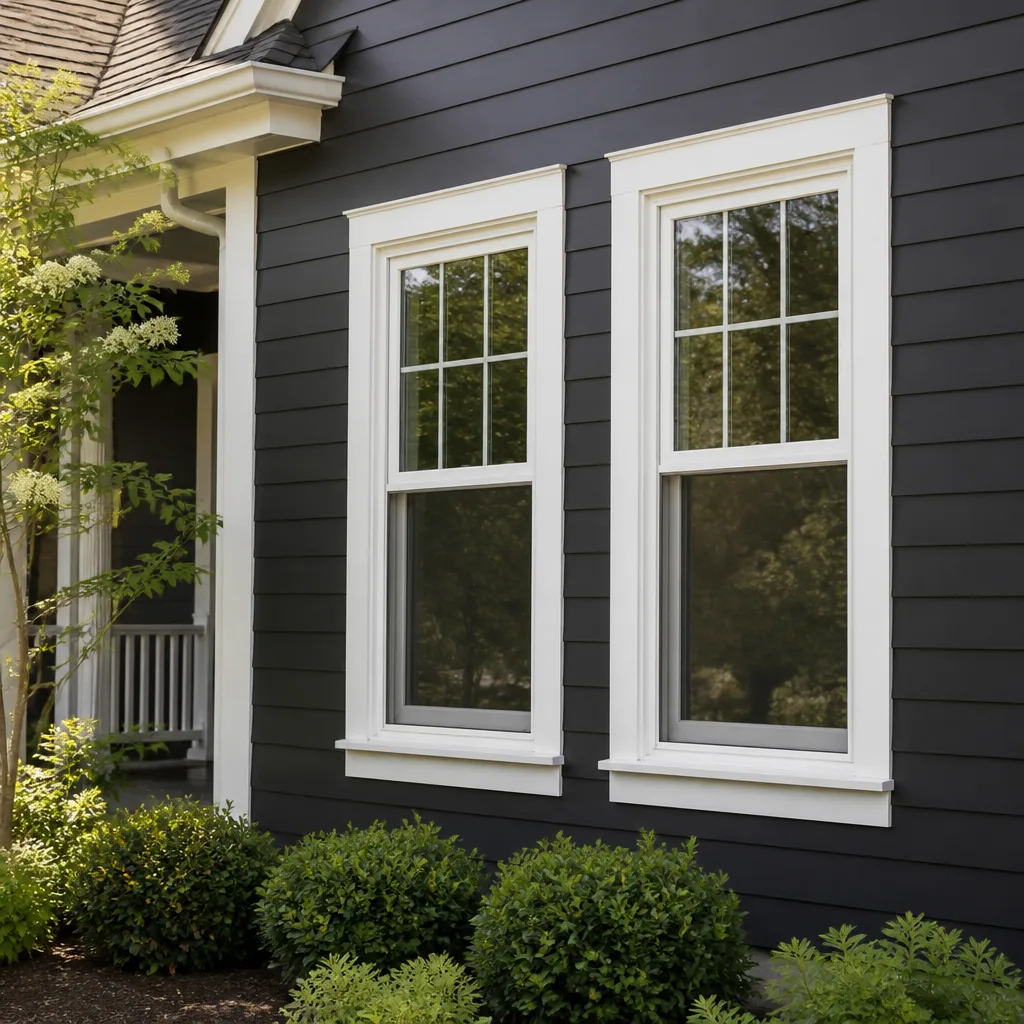
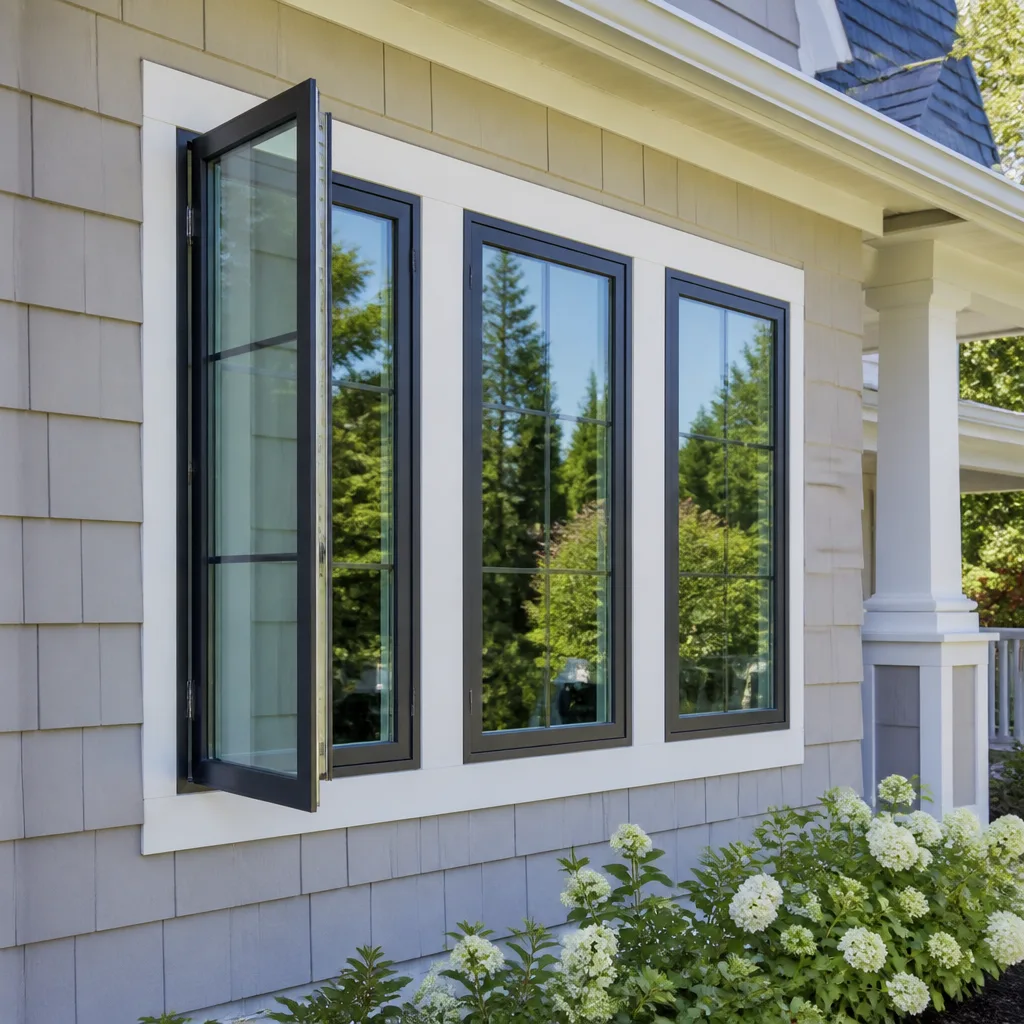
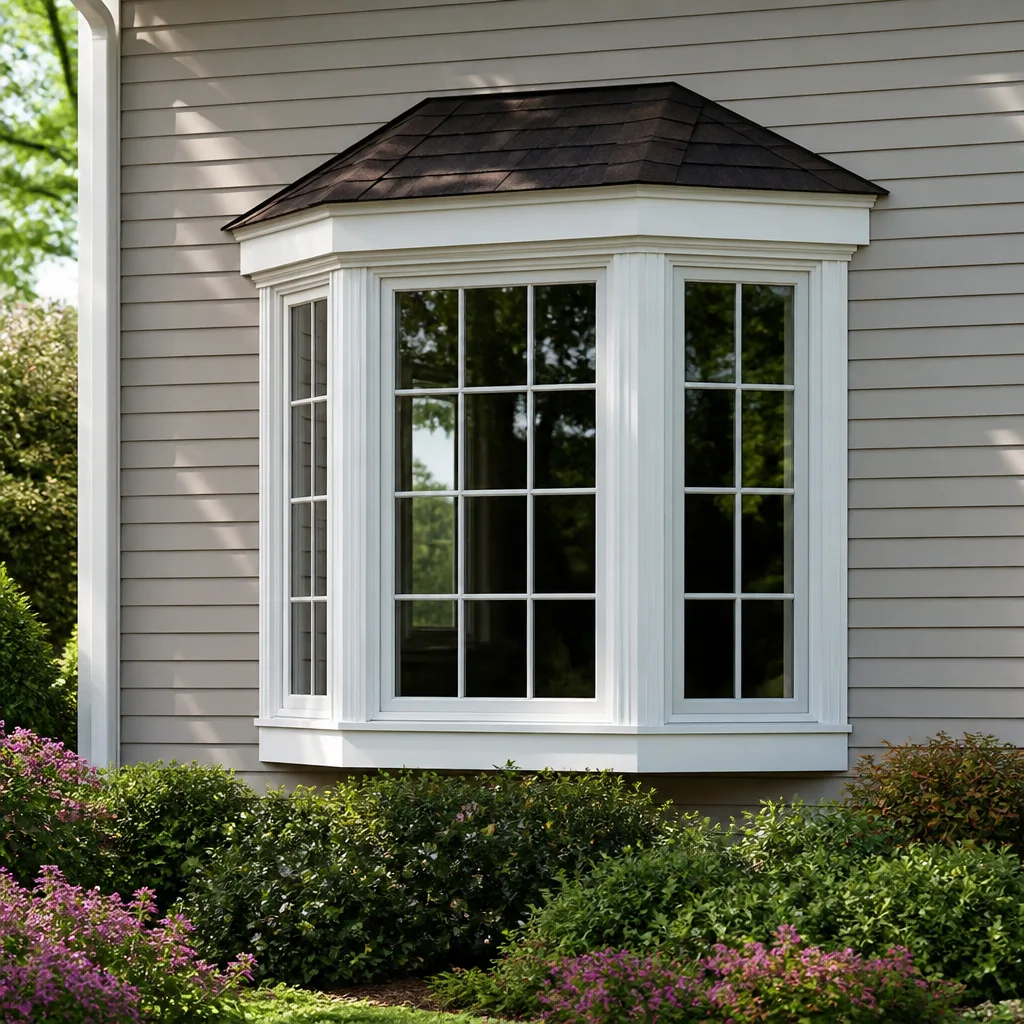
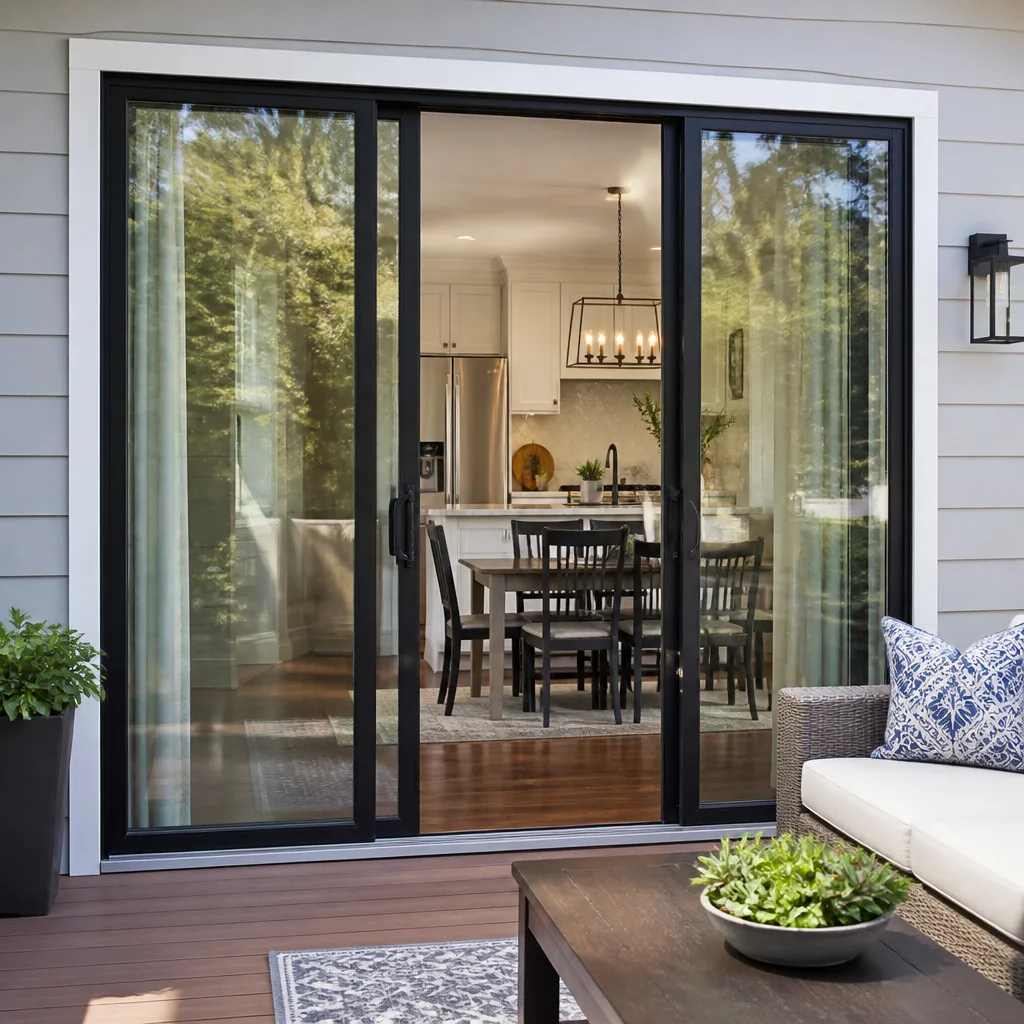
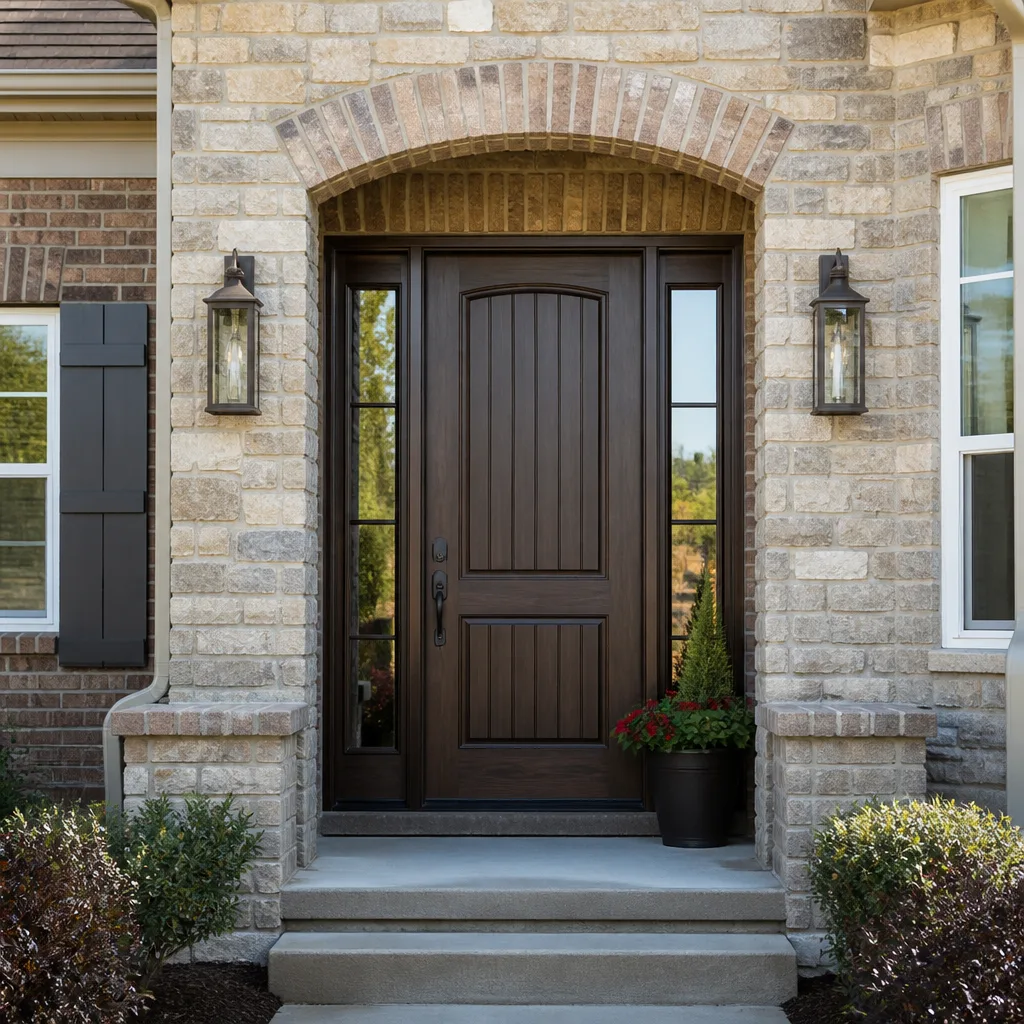
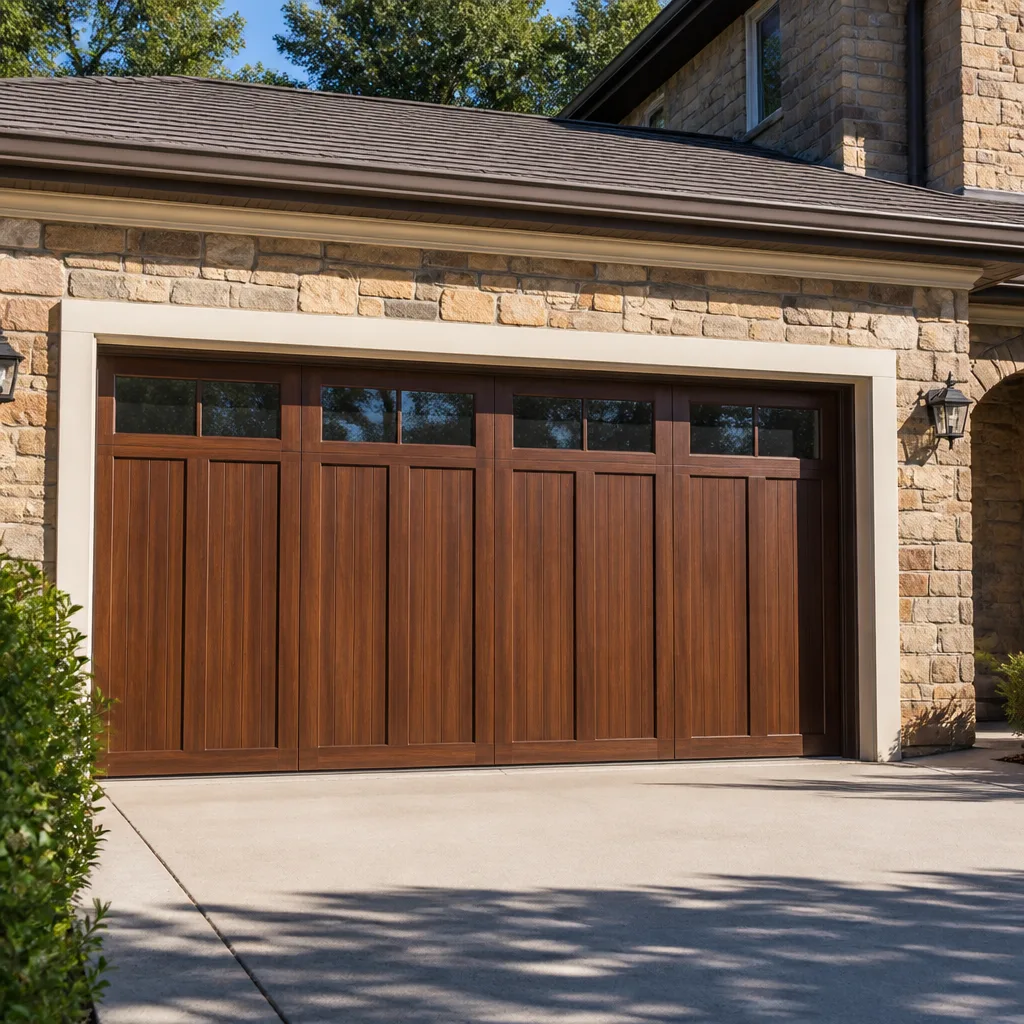
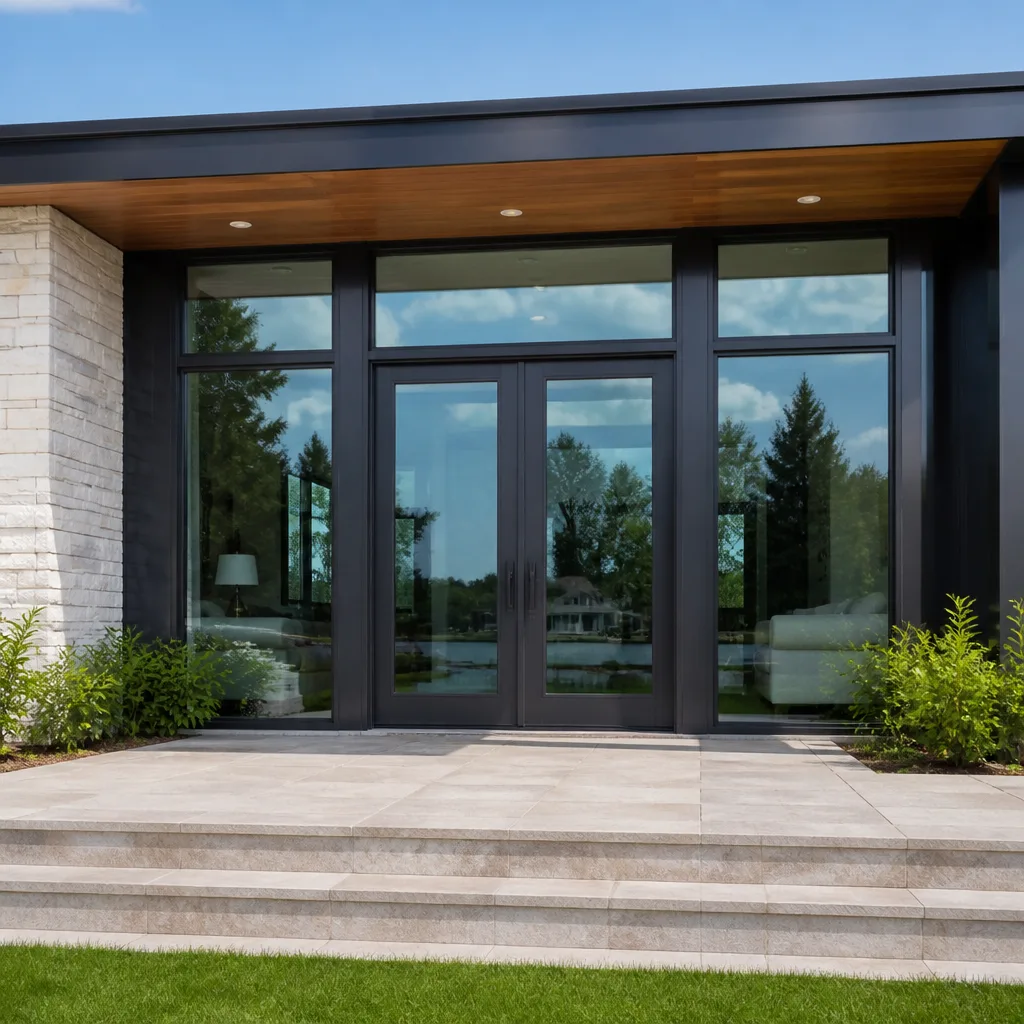
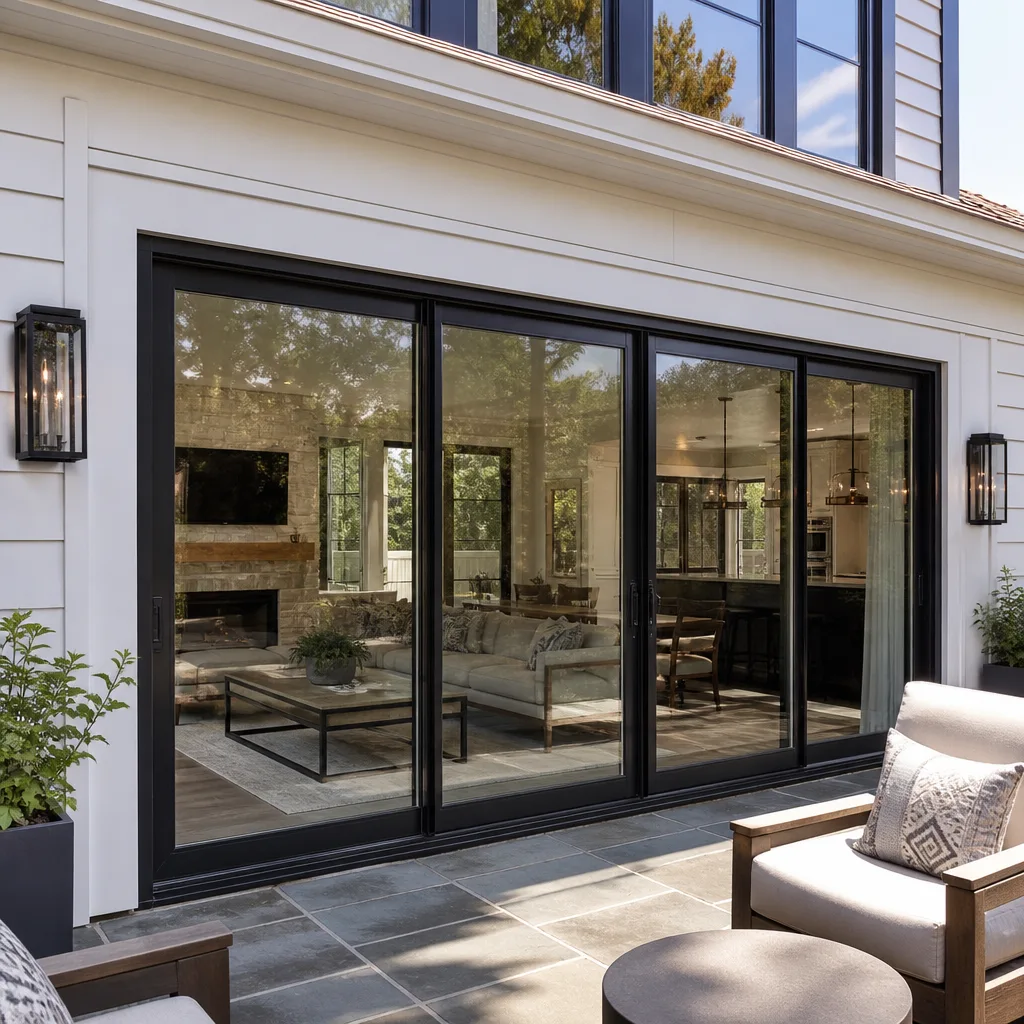
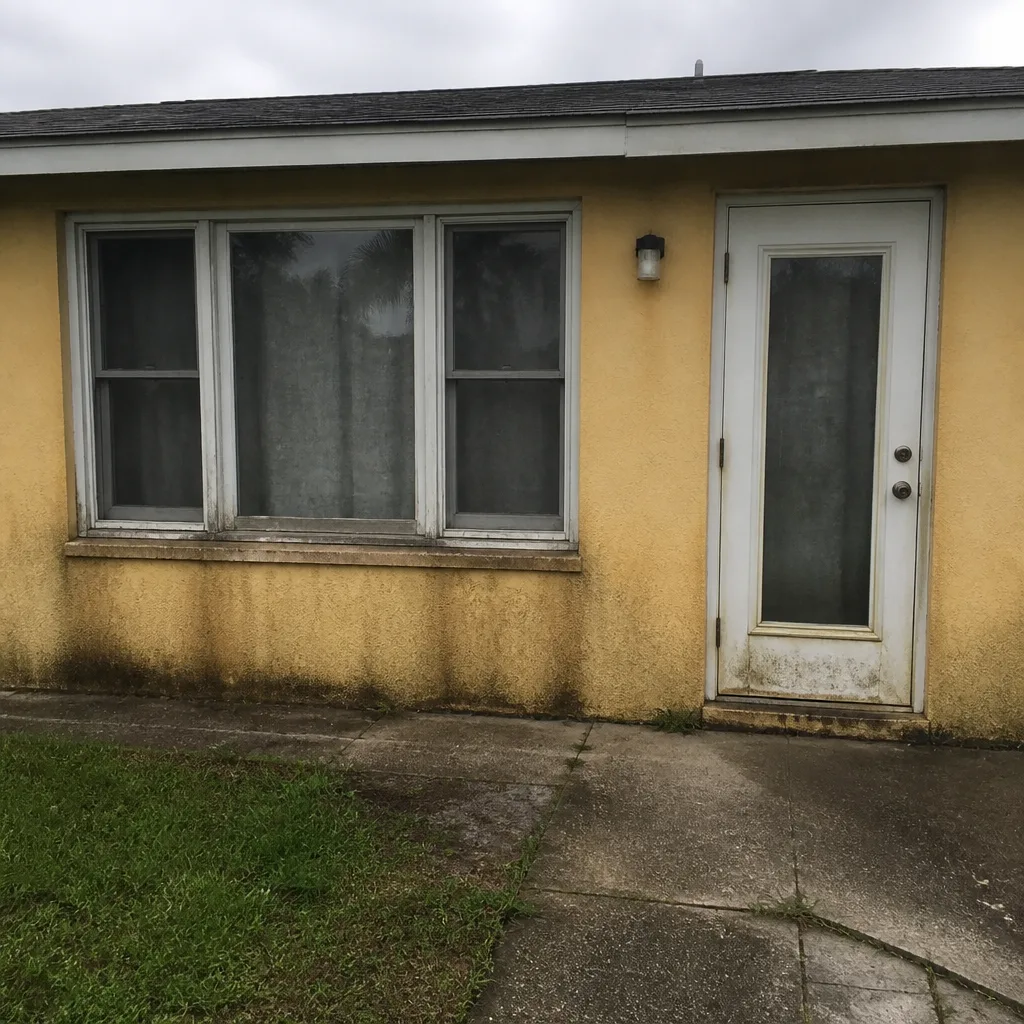 Before
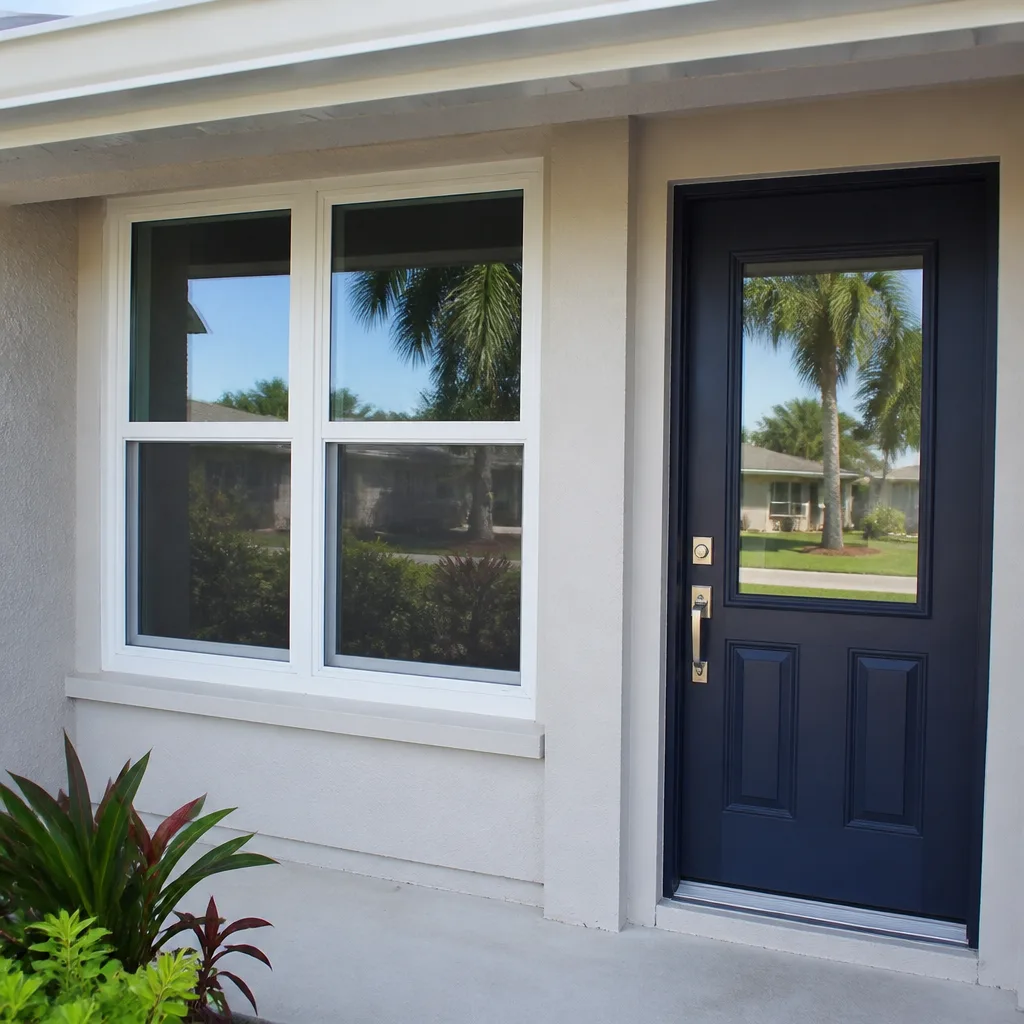 After
After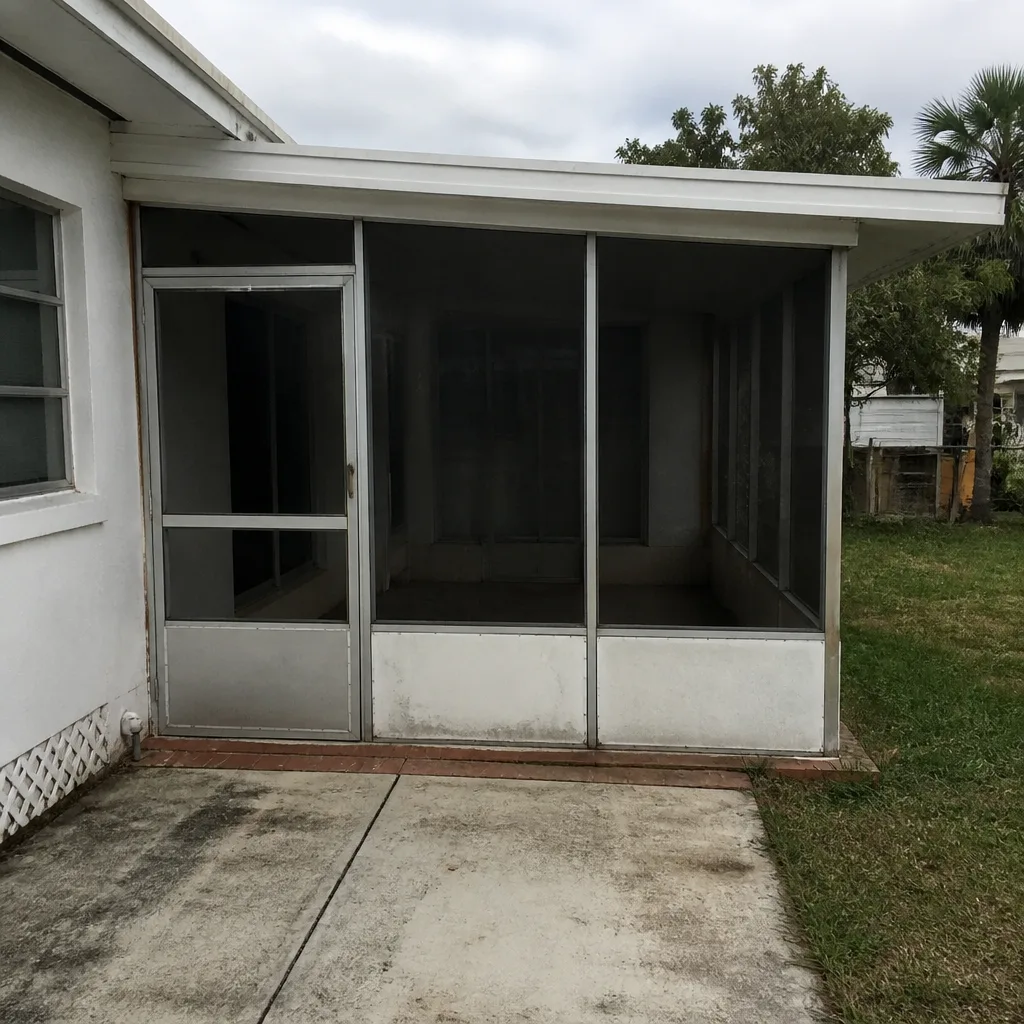 Before
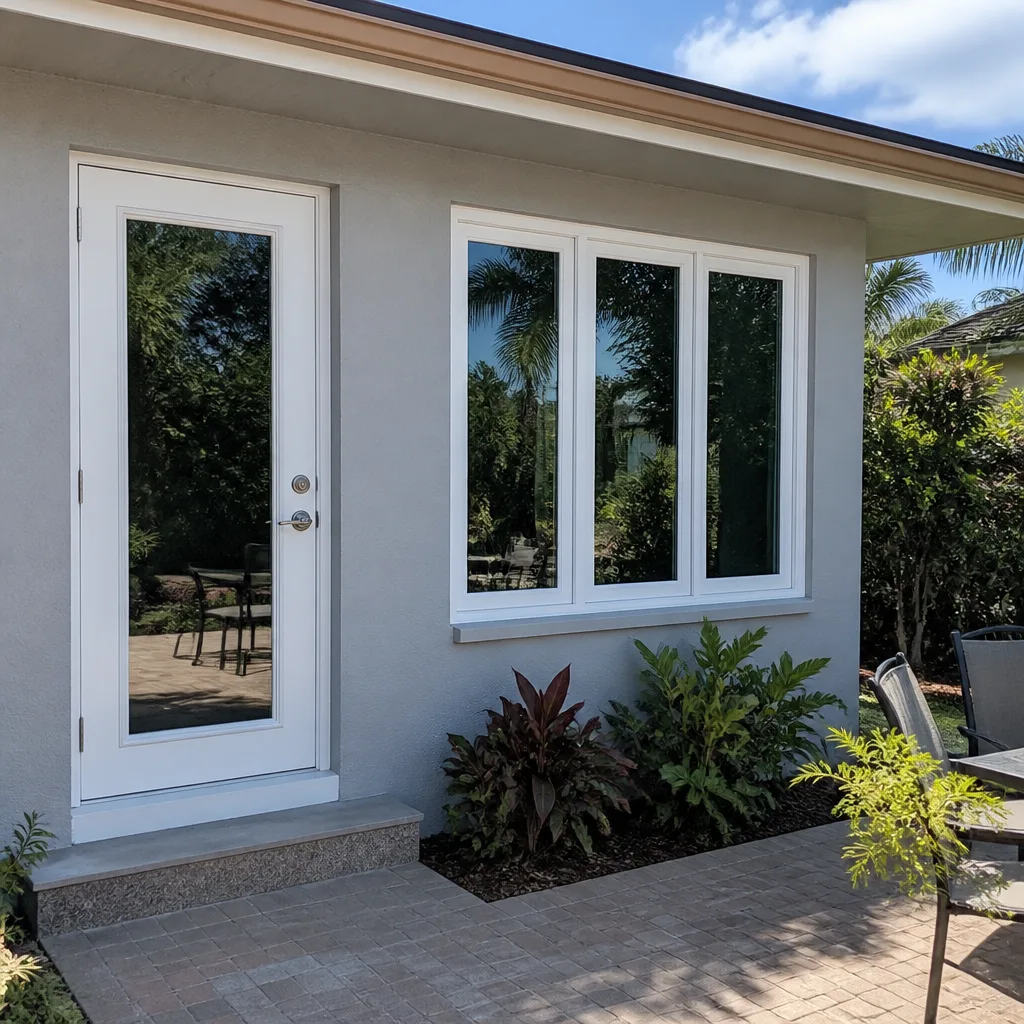 After
After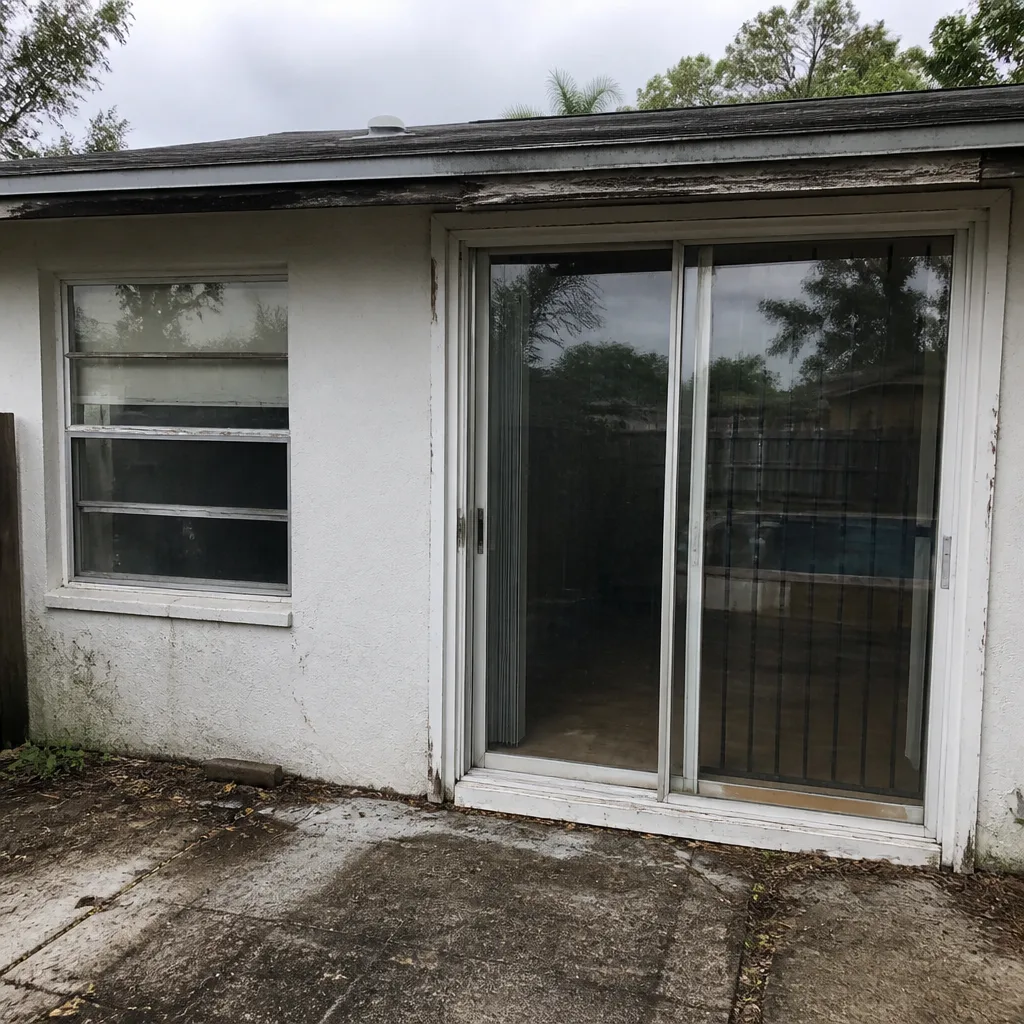 Before
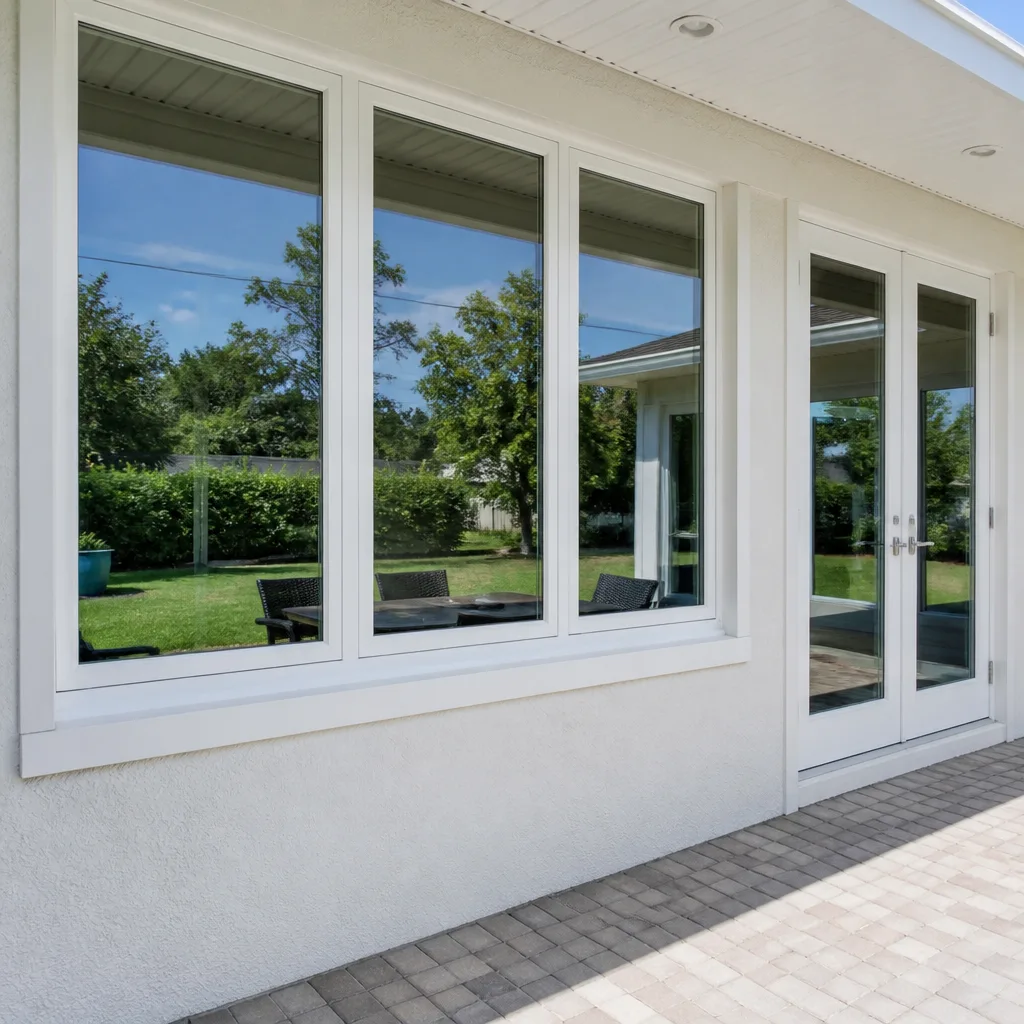 After
AfterThe Complete Guide to Windows & Doors in Mangonia Park
Mangonia Park is less than one square mile, but it sits squarely inside Palm Beach County’s High-Velocity Hurricane Zone, a legal designation that eliminates most of the window and door products that are perfectly fine ten miles inland. That single fact reshapes every decision a homeowner here makes, from product selection to installation cost to which contractor you can actually trust. This guide maps the entire process, permit to punch list, against the actual conditions on Mangonia Park streets: the aging housing stock, the humidity rolling off Lake Worth, the wind codes, and the municipal paperwork. By the end, you’ll know exactly what’s required, what it should cost, and how to avoid the expensive mistakes we’ve watched homeowners make for over a decade. For more guides & resources, visit our blog.
Quick Answer
Windows and doors in Mangonia Park must meet Palm Beach County’s High-Velocity Hurricane Zone (HVHZ) requirements, which means impact-rated or properly protected openings, products with a valid Florida Product Approval or Notice of Acceptance, and permits pulled before install. Homeowners in Mangonia Park should budget roughly $800 to $2,800 per window opening and $1,500 to $5,500 per exterior door depending on size, brand, and framing conditions common in homes built between the 1950s and 1970s. Working with a local installer who pulls permits, verifies NOA paperwork, and knows Mangonia Park’s specific code path is the difference between a smooth job and a failed inspection, which is why our How to Hire a Windows & Doors Contractor in Mangonia Park: A Step-by-Step Guide is worth reading before you choose.
Table of Contents
- Why Mangonia Park’s HVHZ Designation Changes Everything
- The Age Problem: 1950s-1970s Rough Openings and What They Cost You
- Approved Products: Why PGT and CGI Dominate in Mangonia Park
- Permits in Mangonia Park: Who Actually Governs Your Windows and Doors
- Lake-Proximity Humidity and Frame Corrosion: What Lasts in This Zip Code
- How to Read a Notice of Acceptance (NOA) Like an Inspector
- What Windows and Doors Cost in Mangonia Park: A Line-Item Breakdown
- Vetting an Installer: Questions That Expose the Wrong Contractor Fast
- Common Mistakes to Avoid
- When to Call a Professional
- Frequently Asked Questions
- The Bottom Line
Why Mangonia Park’s HVHZ Designation Changes Everything
Every home in Mangonia Park falls under the High-Velocity Hurricane Zone, a building code classification that covers coastal Palm Beach County and requires windows and doors to survive wind-borne debris at speeds far beyond what inland Florida requires. This is not a recommendation. It’s law. A window or door that lacks a current Florida Product Approval, Miami-Dade NOA, or equivalent state approval cannot be legally installed here, period. What many homeowners don’t realize is that the HVHZ standard actually exceeds what state code requires for most of Florida. Mangonia Park sits inside the zone because of its proximity to the Atlantic, which means the same product that sails through inspection in Orlando would fail instantly here.
Practically, that means three things for your project. First, your product choices narrow significantly. Impact-rated windows and doors from PGT, CGI, ES Windows, ECO Window Systems, and Mr-Glass are built specifically for this zone and dominate the market for good reason. Second, your installation method changes. HVHZ installation protocols involve specific anchoring patterns, sealant ratings, and fastener schedules that a handyman working from memory will almost certainly get wrong. Third, your inspection path is stricter. The inspector will ask for product approval documents, and if the paperwork doesn’t match the opening, the job stops until it does. We’ve built our entire window and door practice around this code because it’s the only code that matters where our customers live.
The Age Problem: 1950s-1970s Rough Openings and What They Cost You
Mangonia Park’s housing stock skews heavily toward the mid-century decades, with a large share of homes built between the 1950s and the 1970s. That’s not a knock on the neighborhood; it’s a material fact that affects pricing in ways most window companies won’t explain upfront. Homes from this era were framed with different lumber standards, different header construction, and different opening tolerances than modern block-and-stucco construction. When you pull a 1965 aluminum jalousie window and inspect the rough opening, you’re often looking at sagging headers, uneven king studs, dry rot at the sill, or openings that are no longer square by a half-inch or more.
What does that mean for your invoice? Labor goes up. A new-construction home with clean 60-inch by 48-inch openings allows an installer to set a window in under an hour. A 1960s Mangonia Park home may require shimming, reframing, or partial header replacement before the new window even goes in. We regularly see $200 to $600 in additional labor per opening on mid-century homes compared to newer builds, which is why the low bidder with a generic per-opening rate will either lose money, cut corners, or surprise you with a change order. At Winslow Windows & Doors, our Window Installation in Mangonia Park process includes a rough-opening inspection before we quote, so the price you see is the price you pay. Ed Winslow’s name is on the door, and on every job we do.
Approved Products: Why PGT and CGI Dominate in Mangonia Park
Walk any street in Mangonia Park and you’ll notice the same few window brands on home after home. That’s not coincidence. PGT and CGI have invested decades in Florida-specific product testing, and their catalogs carry a density of HVHZ-approved products that smaller manufacturers simply can’t match. For a Mangonia Park homeowner, that means faster approval at the permitting desk, fewer documentation headaches at inspection, and a warranty backed by a manufacturer that understands salt air and hurricane season the way a Michigan window company never will.
But PGT and CGI are not your only options. We also install products from ES Windows, ECO Window Systems, CWS, and Mr-Glass, each of which holds HVHZ approvals for specific product lines. The key distinction is that the approval is product-specific, not brand-wide. A PGT 5500 series window may be approved for HVHZ use while a PGT product from a different line is not. That’s why we verify the exact product number against the current NOA before we ever write a quote. If you’re comparing bids, ask the contractor to show you the NOA for the precise model being quoted. A vague “it’s impact rated” claim is not the same as a Florida Product Approval number.
For homeowners specifically looking at impact-rated products, our Impact Windows in Mangonia Park page breaks down the differences between PGT’s WinGuard and CGI’s Sentinel lines, including what each costs and which situations call for which product.
Permits in Mangonia Park: Who Actually Governs Your Windows and Doors
Mangonia Park is a municipality with its own building department, which means window and door permits are pulled through the Town of Mangonia Park, not directly through Palm Beach County. The town enforces the Florida Building Code, including the HVHZ provisions, and uses Palm Beach County for some services, but the permit application, plan review, and first inspection all flow through the town. This distinction matters because some installers who work heavily in unincorporated Palm Beach County will tell you they “know the county process” and then stumble through Mangonia Park’s municipal requirements.
The permit process for window and door replacement follows a predictable path:
- Product approval documentation is gathered. Every window and door being installed needs a current Florida Product Approval or Miami-Dade NOA number. Your contractor should have this before the permit application is filed.
- The permit application is submitted to the Town of Mangonia Park. This includes a scope of work, product approvals, and contractor information.
- Plan review occurs. The town verifies that the proposed products meet HVHZ requirements for the specific openings.
- Installation proceeds after permit issuance. Work without a permit, even one window, is a code violation that can surface during a future sale.
- Inspection is scheduled. The town’s inspector verifies the installation matches the approved documents. If the NOA doesn’t match, you fail.
We pull every permit for every window and door job we do in Mangonia Park. No homeowner should ever have to navigate this process alone, and no legitimate contractor should ever suggest skipping it. If any contractor offers to “save you the permit fee” by working without one, that’s your signal to end the conversation.
Lake-Proximity Humidity and Frame Corrosion: What Lasts in This Zip Code
Mangonia Park sits close enough to Lake Worth and the Intracoastal Waterway that moisture is a daily reality, not a seasonal one. That constant humidity, combined with salt content in the coastal air, accelerates corrosion on metal window and door frames in ways that homeowners moving from drier climates don’t anticipate. We’ve pulled original aluminum windows from 1960s Mangonia Park homes where the frame had corroded so severely that the operable sash could no longer seal, making the window worthless for energy efficiency and storm protection alike-exactly the kind of issue our Impact Windows Maintenance Checklist for Mangonia Park Homeowners helps you catch early.
Frame material selection in this zip code is a longevity decision, not an aesthetic one. Here’s how the materials hold up:
- Aluminum (non-impact, old stock): The worst performer in coastal humidity. Bare aluminum corrodes, pits, and eventually fails at the corners. Avoid for any new install.
- Vinyl: Resists corrosion completely, but expands and contracts with temperature swings. In South Florida’s heat, lower-quality vinyl can warp or sag. Mid to high-grade vinyl from manufacturers like ECO Window Systems holds up well. Budget-friendly and corrosion-proof, but verify the specific product’s heat performance.
- Aluminum (thermally broken, impact-rated): Modern impact-rated aluminum from PGT and CGI uses thermal breaks and corrosion-resistant coatings that dramatically outperform the old stuff. This is the most common choice in Mangonia Park for good reason. Strong, code-compliant, and built for the zone.
- Composites and fiberglass: Long lifespan and excellent thermal performance, but fewer budget-friendly HVHZ-approved options. Worth considering for luxury installs, but verify approval before falling in love with a product.
For doors, the same logic applies. Steel doors with inadequate factory coatings will rust at the bottom edges where Mangonia Park humidity collects. Fiberglass doors, like those from Therma-Tru, avoid the corrosion issue entirely and hold paint beautifully in coastal conditions. We install Therma-Tru doors regularly in Mangonia Park for exactly this reason.
How to Read a Notice of Acceptance (NOA) Like an Inspector
The Notice of Acceptance, or NOA, is the legal document that proves a specific window or door product is approved for use in the High-Velocity Hurricane Zone. Every Mangonia Park installation needs one. But most homeowners never see the document, and some contractors never pull it, which is how unapproved products end up installed and later flagged during a real estate sale or insurance audit. Here’s how to check yours:
- Verify the NOA number matches the product. Each NOA covers a specific manufacturer, product line, and series of sizes. A PGT WinGuard casement window has a different NOA than a PGT WinGuard single-hung. The number must match exactly.
- Check the expiration and revision. NOAs are issued with validity periods and are updated when products change. An expired NOA is not a valid approval for a new permit. Your contractor should provide the current revision.
- Confirm the glass type matches. Impact ratings are tied to the specific glass package: laminated, insulated, or both. If the NOA covers laminated impact glass and your quote is for insulated non-impact with an applied film, that’s not an approved product.
- Verify the size range covers your opening. NOAs list maximum and minimum sizes. Larger openings, like a wide sliding glass door or a picture window, may require a different product or NOA than a standard 36-inch by 60-inch opening.
- Look for the design pressure rating. The NOA will list a design pressure, often +60/-70 or similar for HVHZ products. This is the structural rating that proves the window can handle the wind loads Mangonia Park’s code requires.
If a contractor can’t or won’t produce the NOA for the exact product being quoted, walk away. We provide documentation for every install and walk our customers through it before we ever touch a permit application.
What Windows and Doors Cost in Mangonia Park: A Line-Item Breakdown
Pricing transparency is one of the reasons homeowners come to us, and it’s why we publish the numbers most contractors keep vague. Here’s what you should expect to pay for common window and door work in Mangonia Park, including the product, labor, permit, and site conditions typical for homes in this area. These figures assume a mid-century home with rough-opening work as needed, not a new-construction finish.
- Standard impact single-hung window (36″ x 60″): $950-$1,500 installed
- Impact casement window (24″ x 48″): $850-$1,400 installed
- Large fixed or picture window with impact glass: $1,800-$3,500 installed
- Sliding glass door (standard 6’0″ x 6’8″): $2,200-$4,500 installed
- French door (pair, impact-rated): $3,500-$7,500 installed
- Entry door (fiberglass, e.g., Therma-Tru): $1,800-$4,000 installed
- Full-home window replacement (avg. 8-12 windows): $9,000-$25,000 total
- Permit fee (Town of Mangonia Park): Typically $150-$400 depending on scope
- Rough-opening repair or reframing (per opening, if needed): $200-$600
These are real ranges, not bait numbers. The spread within each range depends on the product tier, the condition of the existing opening, and whether the home has any water damage around the old frames. When you compare quotes, make sure every line item is in writing. A verbal “that’s covered” will not protect you when the invoice arrives. If you’re replacing windows rather than doing a first-time install, our Window Replacement in Mangonia Park page covers the cost differences between replacement and new construction in this specific market.
Vetting an Installer: Questions That Expose the Wrong Contractor Fast
Mangonia Park homeowners have been burned by contractors before. Vague estimates, no-show crews, warranties that evaporate after the check clears. The way to avoid that is to ask the right questions before you sign anything. Here are the ones that matter most:
- “What’s your license number, and can I see it?” A real Florida contractor has a license number they’re proud to share. Winslow Windows & Doors is locally owned by Ed Winslow with a published address and license number. Full transparency, no shell companies.
- “Will you pull the permit in your name?” If a contractor asks you to pull the owner-builder permit yourself, they’re trying to shift liability onto you. A legitimate contractor pulls the permit in their own name. We do it on every job.
- “Can you show me the NOA for the exact product you’re quoting?” Covered in the section above, but worth repeating. No NOA, no deal.
- “Who shows up at my door?” Every technician we send is background-checked and in uniform. You’ll know exactly who is at your door before the truck pulls up. A contractor who can’t tell you who their installers are is a red flag.
- “Is there a trip charge?” For homeowners inside our home county, there’s no trip charge. We also offer a free second opinion on any written estimate, and $40 off any repair over $200. Those are standing offers, not promotions.
- “What happens if something goes wrong after the job?” This is where the Done Right Promise matters. If it’s not done right, Winslow makes it right, period. That’s a standard of accountability written into every job.
Ask these questions of any contractor you’re considering. The ones who answer clearly and without hesitation are the ones worth trusting with your home.
Common Mistakes to Avoid
- Skipping the permit to save $300. Unpermitted window and door work in Mangonia Park becomes a title problem during a sale and an insurance problem during a claim. The savings are never worth the exposure.
- Assuming “impact rated” means the same thing as “hurricane proof.” Impact rating is product-specific. A window with impact glass but no HVHZ approval for the frame assembly will fail inspection. Always verify the NOA.
- Choosing the lowest bid without checking rough-opening allowances. A low per-window price that doesn’t account for 1960s framing conditions will turn into a change order. Get the opening inspected before you sign.
- Installing uncoated steel doors near the lake humidity. Rust at the bottom edge is nearly guaranteed in Mangonia Park’s moisture levels. Choose fiberglass or properly coated impact-rated aluminum.
- Replacing windows without checking for existing water damage. Old aluminum frames often leak into the wall cavity for years before anyone notices. The window is the symptom; the rot behind it is the problem. A proper install includes that inspection.
- Hiring a contractor who can’t produce current product approvals. Expired or mismatched NOAs are the top reason installs fail inspection in Mangonia Park. If the paperwork is sloppy, the work usually is too.
- Assuming every PGT or CGI product is automatically HVHZ approved. Product lines differ. The contractor must verify the specific model against the specific NOA. Every time.
When to Call a Professional
Window and door work in Mangonia Park is not a DIY project. The HVHZ code alone demands product documentation and installation methods that most homeowners have never seen, and the physical work involves glass, heavy frames, and sometimes compromised framing that requires structural judgment. If you notice any of the following, call a professional rather than attempting a fix: visible corrosion on aluminum frames, fogging between double panes, water staining around window or door openings, doors that stick or won’t latch cleanly, cracked impact glass, or windows that whistle during storms. These are failures, not maintenance issues, and they’ll only get more expensive if ignored. Winslow Windows & Doors offers free estimates in Mangonia Park, including a free second opinion on any written estimate. Call (561) 928-0302 and a real person will answer, any hour of the day or night.
Frequently Asked Questions
A standard impact single-hung window in Mangonia Park typically costs $950 to $1,500 installed, with larger or custom sizes running $1,800 to $3,500 depending on the product line and the condition of the rough opening. The final price depends on the specific NOA-approved product, the size of the opening, and whether the framing needs repair. Call (561) 928-0302 for an exact line-item quote, free of charge.
Yes, window and door replacement in Mangonia Park requires a permit from the Town of Mangonia Park Building Department, even if you’re only replacing one window. The permit verifies that the product meets HVHZ requirements for the High-Velocity Hurricane Zone. A licensed contractor should pull the permit in their own name. If someone suggests skipping the permit, find another contractor.
A Miami-Dade Notice of Acceptance (NOA) is one specific type of product approval that certifies a window or door meets High-Velocity Hurricane Zone standards, while a Florida Product Approval is a statewide standard that may or may not include HVHZ coverage. In Mangonia Park, the product must carry an HVHZ-specific approval, which an NOA or an equivalent state approval provides. Always ask the contractor to show you the document for the exact model being installed.
Mangonia Park’s older housing stock, where many homes were built between the 1950s and 1970s, requires more rough-opening repair, shimming, and reframing than newer construction, which adds labor cost. The HVHZ product requirements also mean you’re buying from a narrower and more expensive product range. The humidity near Lake Worth shortens the lifespan of cheap materials, so mid to high-grade products are the smart buy here.
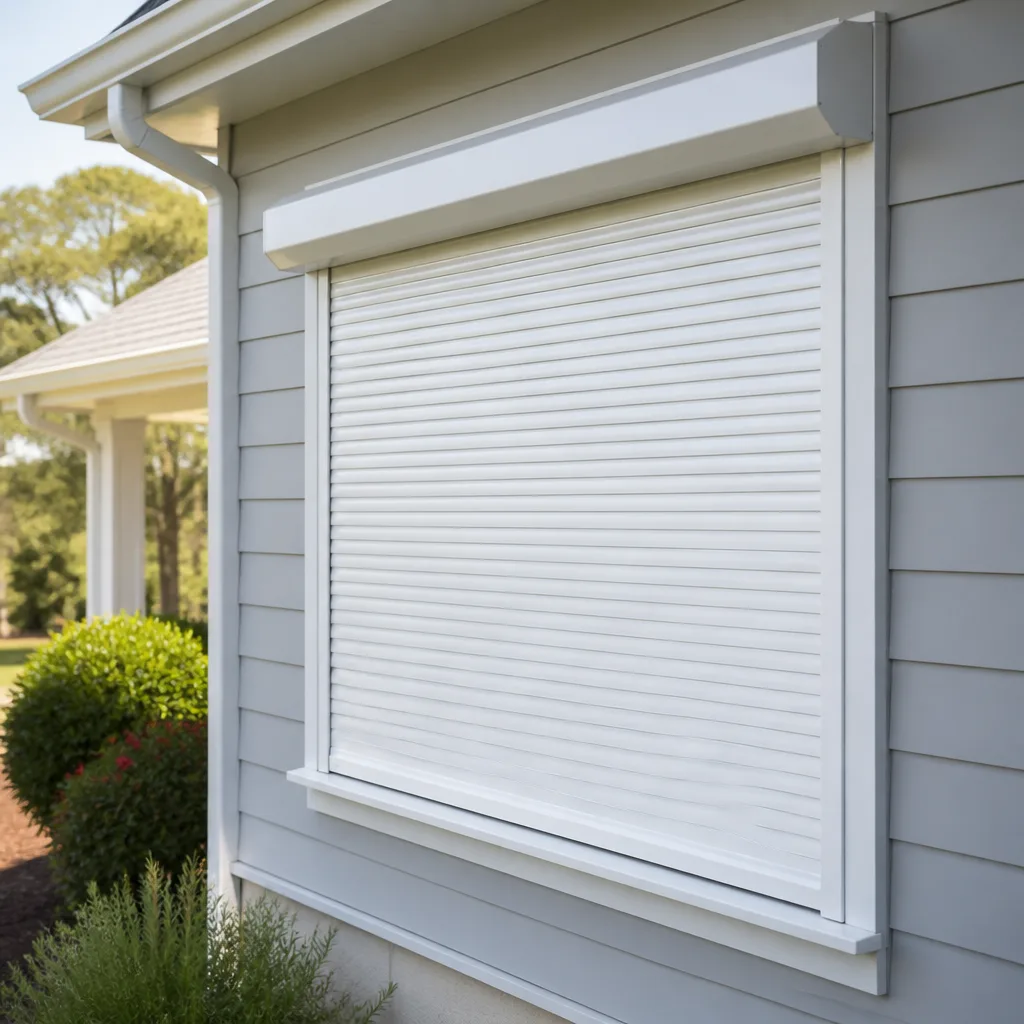
Shutters can satisfy HVHZ requirements for many openings, but they’re a different solution than impact windows. Shutters require you to be home and act before a storm, while impact windows protect continuously. Many Mangonia Park homeowners choose impact windows for the insurance savings, the noise reduction, and the fact that they don’t need to be deployed. Both approaches require approved products and a permit.
A standard single-window replacement typically takes one to two hours per opening once the permit is issued and the product is on site. A full-home window replacement of 8 to 12 windows usually takes two to four working days depending on the amount of rough-opening repair required. The permit review process is typically the longest wait. Call (561) 928-0302 for a timeline specific to your project, and we’ll walk you through it step by step.
The Bottom Line
Mangonia Park’s High-Velocity Hurricane Zone designation, mid-century housing stock, and lake-proximity humidity create a window and door environment that rewards specificity. The right products are HVHZ-approved impact windows from manufacturers like PGT and CGI, or doors from Therma-Tru and other corrosion-resistant brands. The right contractor is one who pulls permits through the Town of Mangonia Park, verifies NOAs before quoting, and prices the job after seeing the rough openings. The right partner is one who’s been doing this in your community for over fifteen years, with a live person answering the phone around the clock and a Done Right Promise behind every installation. Ed Winslow’s name is on the door, and on every job we do. The one down the road.
Written by Ed Winslow, Owner at Winslow Windows & Doors, serving Mangonia Park since 2011.
Six Reasons Homeowners Choose Winslow Windows & Doors
Impact systems engineered to design pressures up to +/-100, matched to your wind zone - your openings hold when the storm arrives.
Low-E insulated impact glass from our manufacturer lines commonly cuts monthly cooling bills 20-30%.
Laminated impact glass shuts out up to 40% of outside noise - traffic, neighbors, weather.
Monitoring services run $30-90 a month. Laminated impact glass resists forced entry around the clock, with no subscription.
Florida homeowners average around 25% savings on the windstorm portion of their policy after protecting every opening - some homes qualify for more.
A full impact package upgrades curb appeal, buyer confidence and appraised value in one project.