
Last updated August 27, 2026
Free in-home measure and quote - PGT, CGI and CWS impact lines compared on your actual openings, style by style
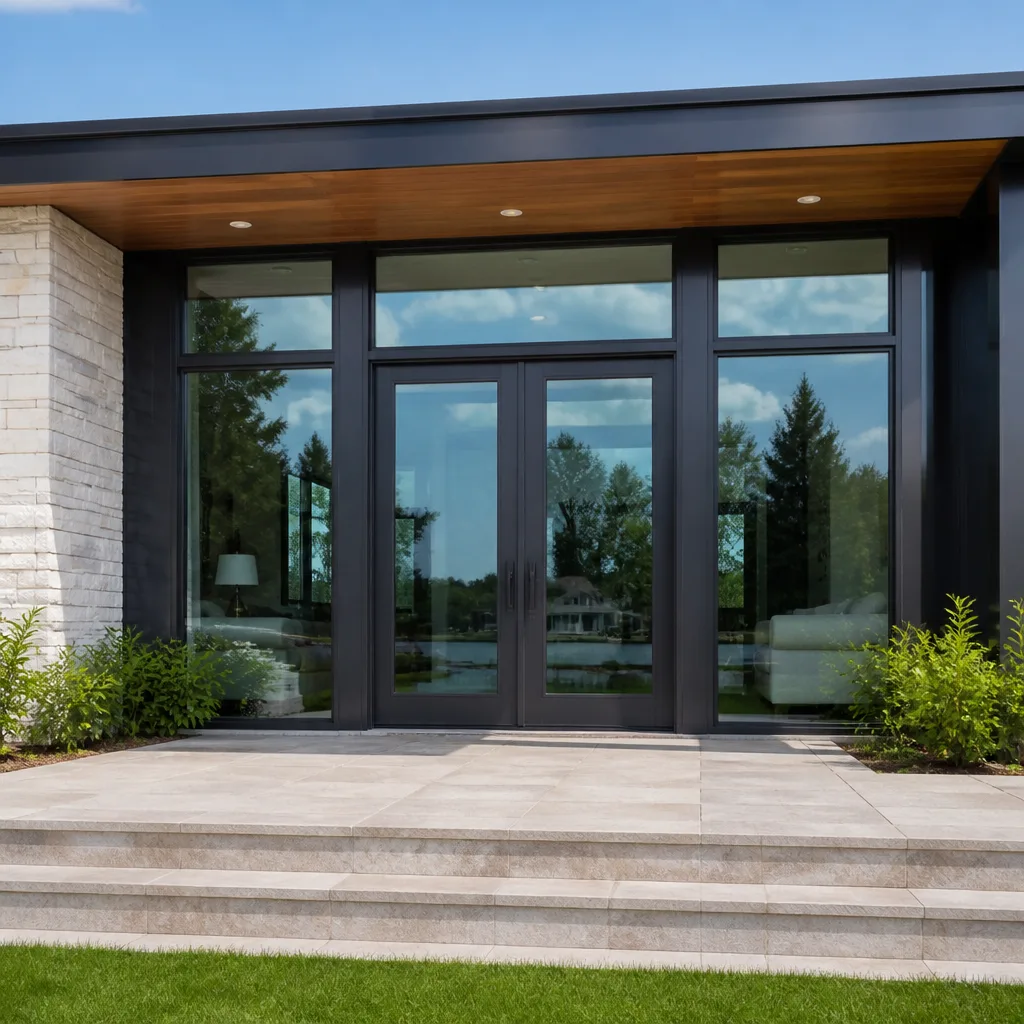
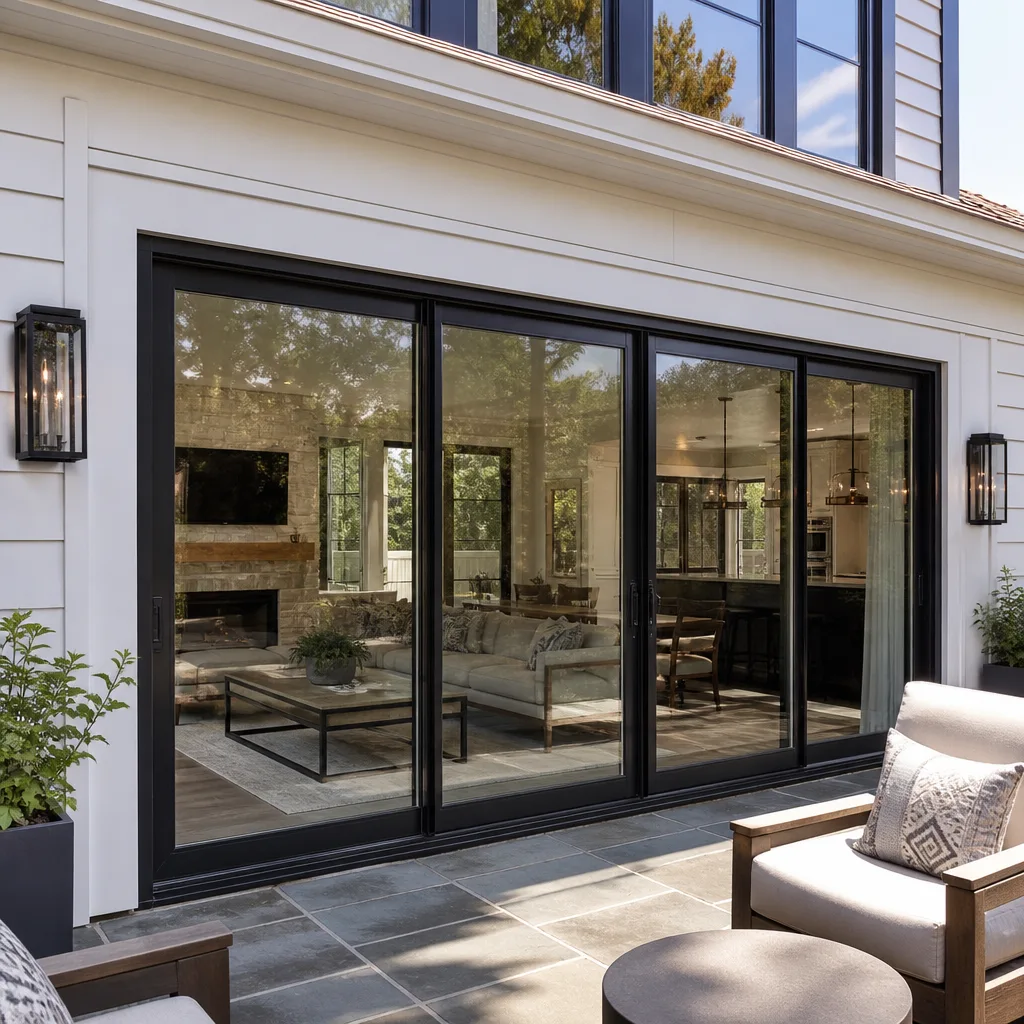
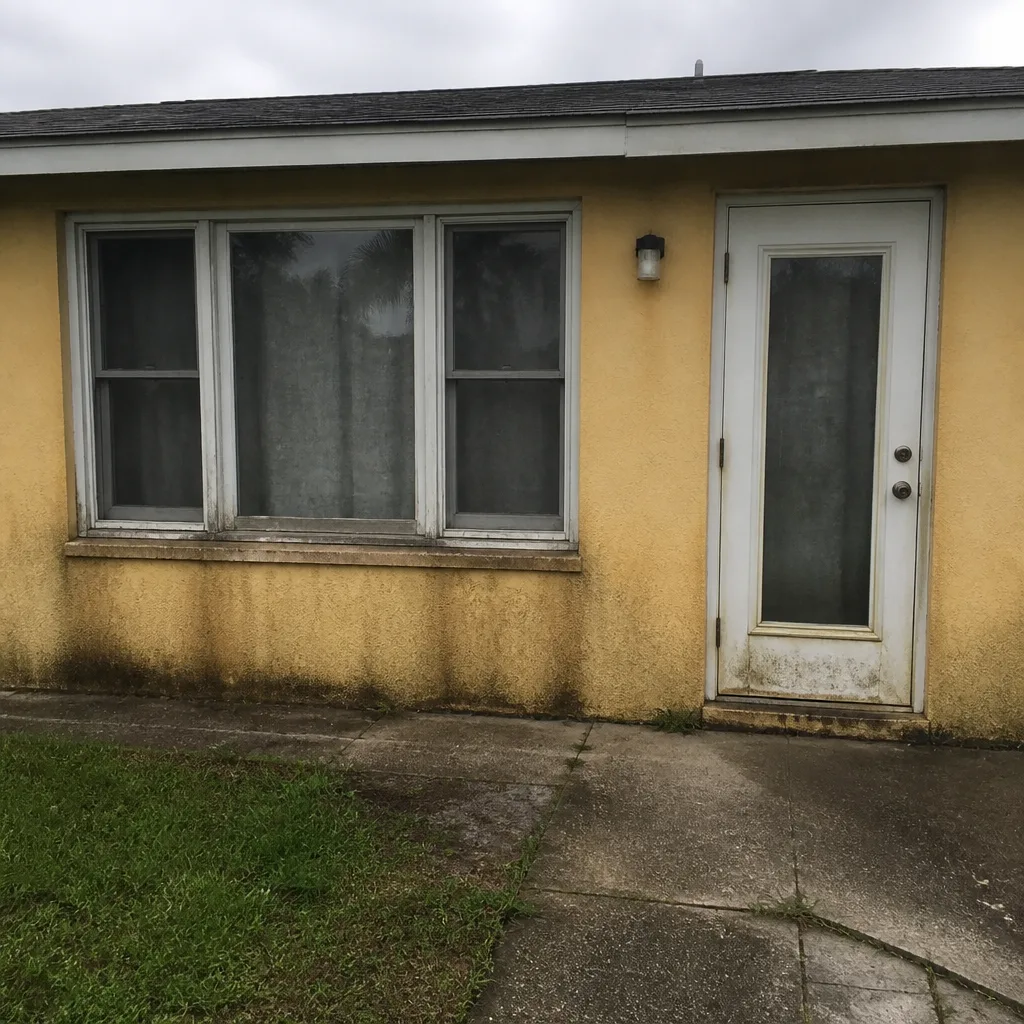 Before
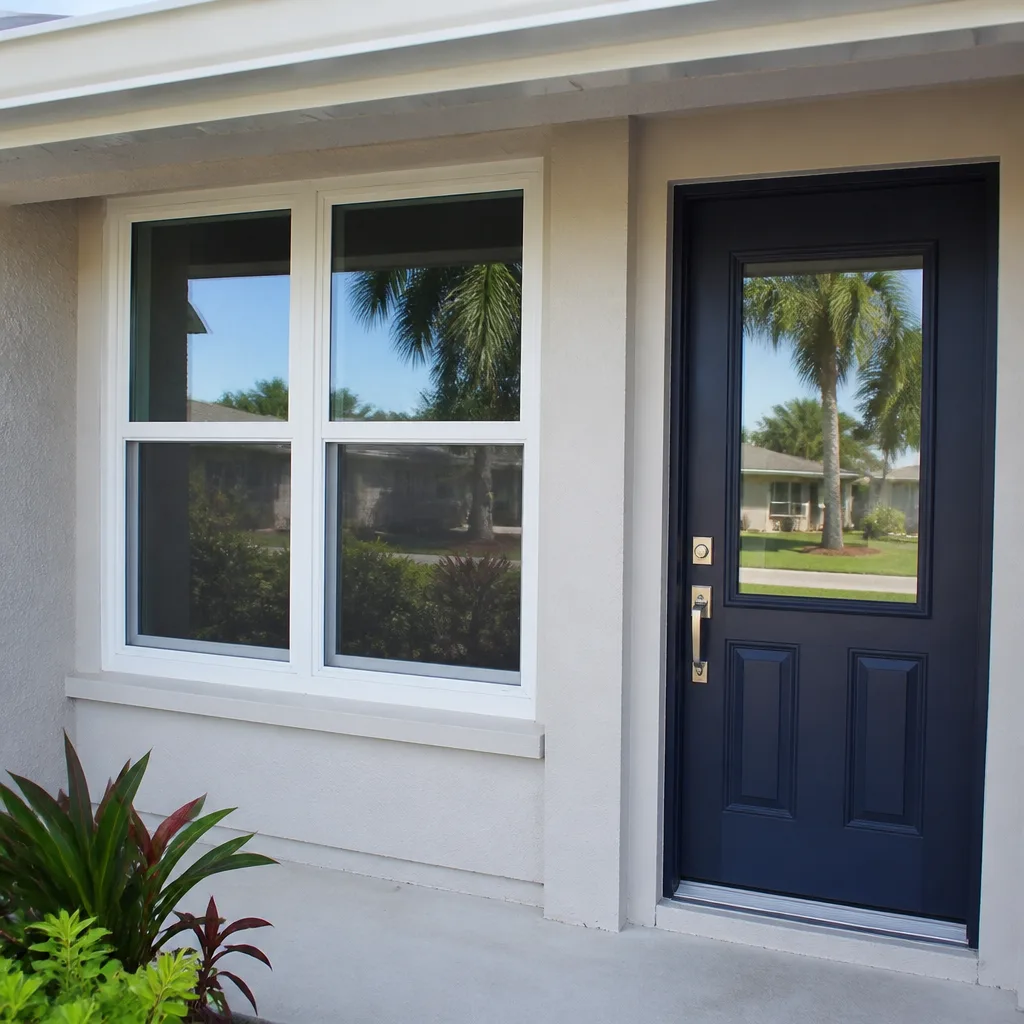 After
After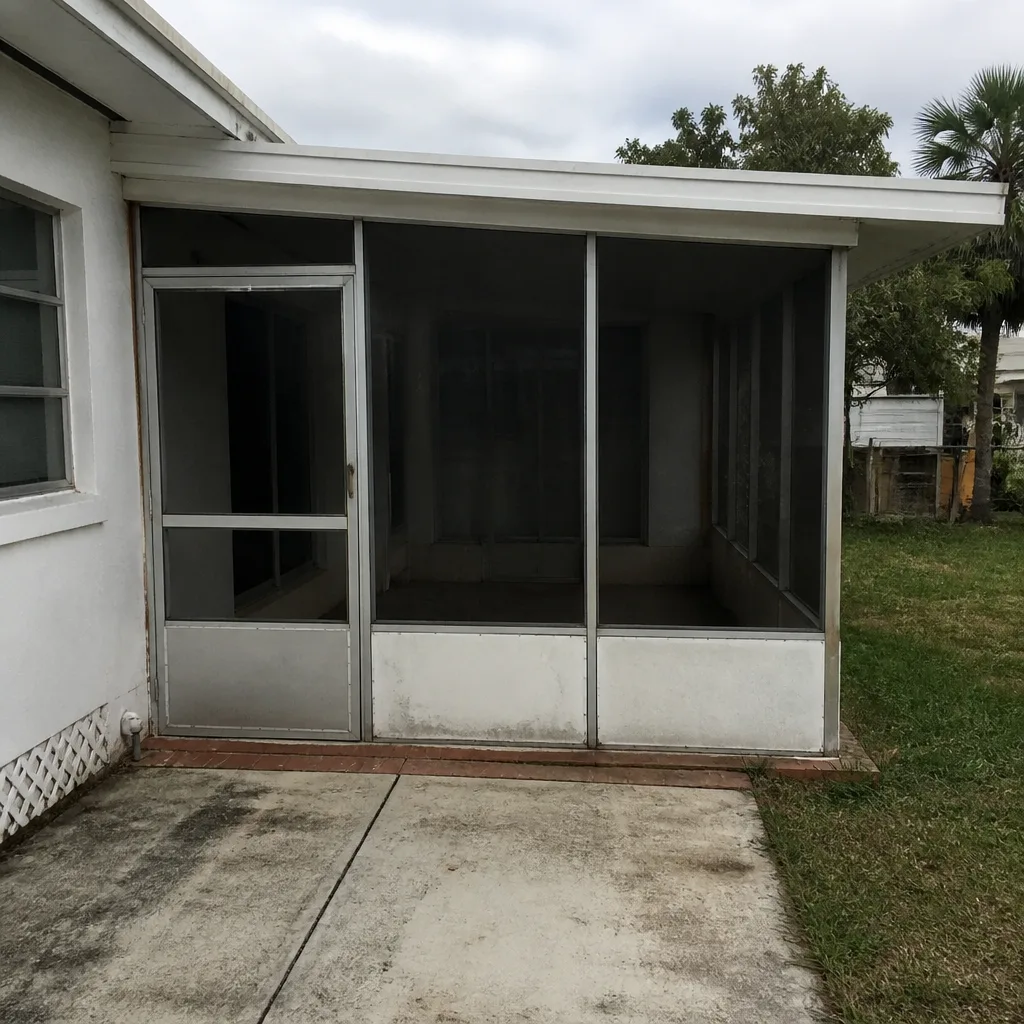 Before
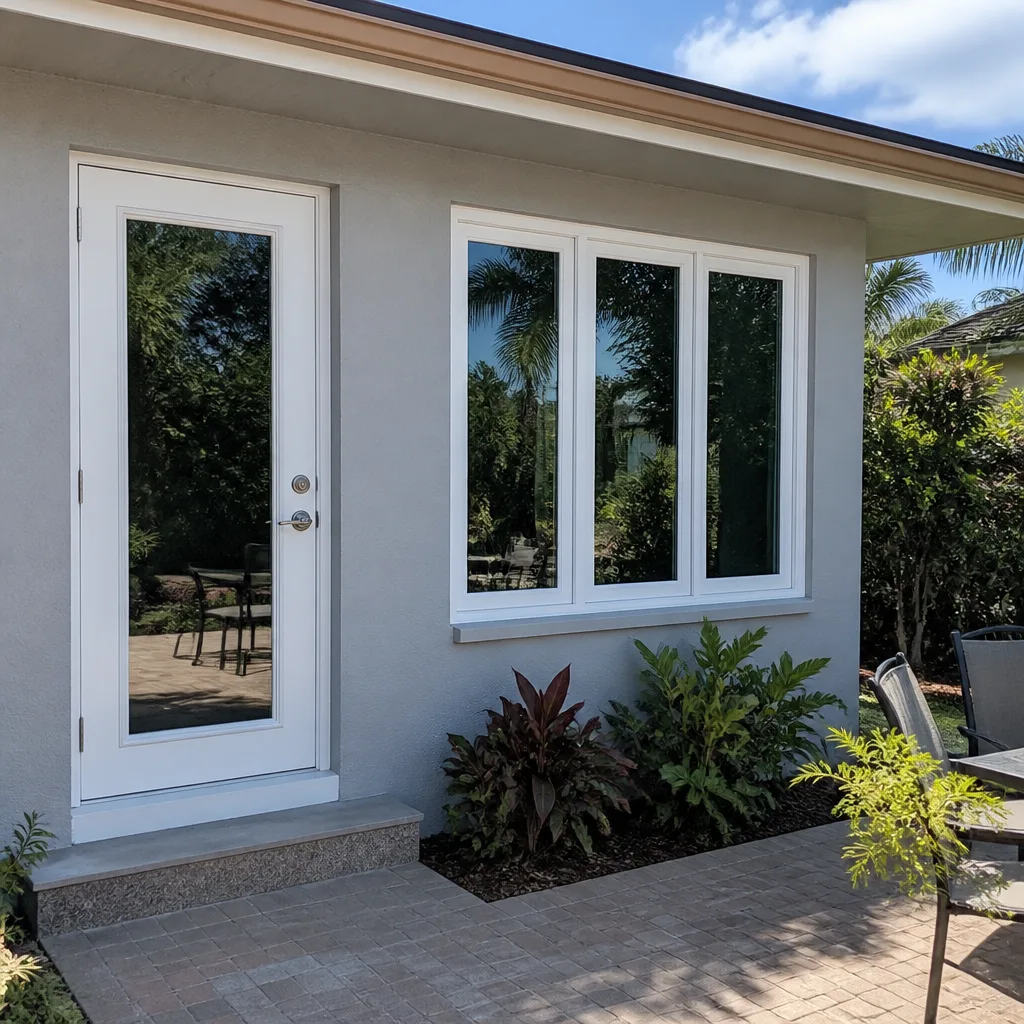 After
After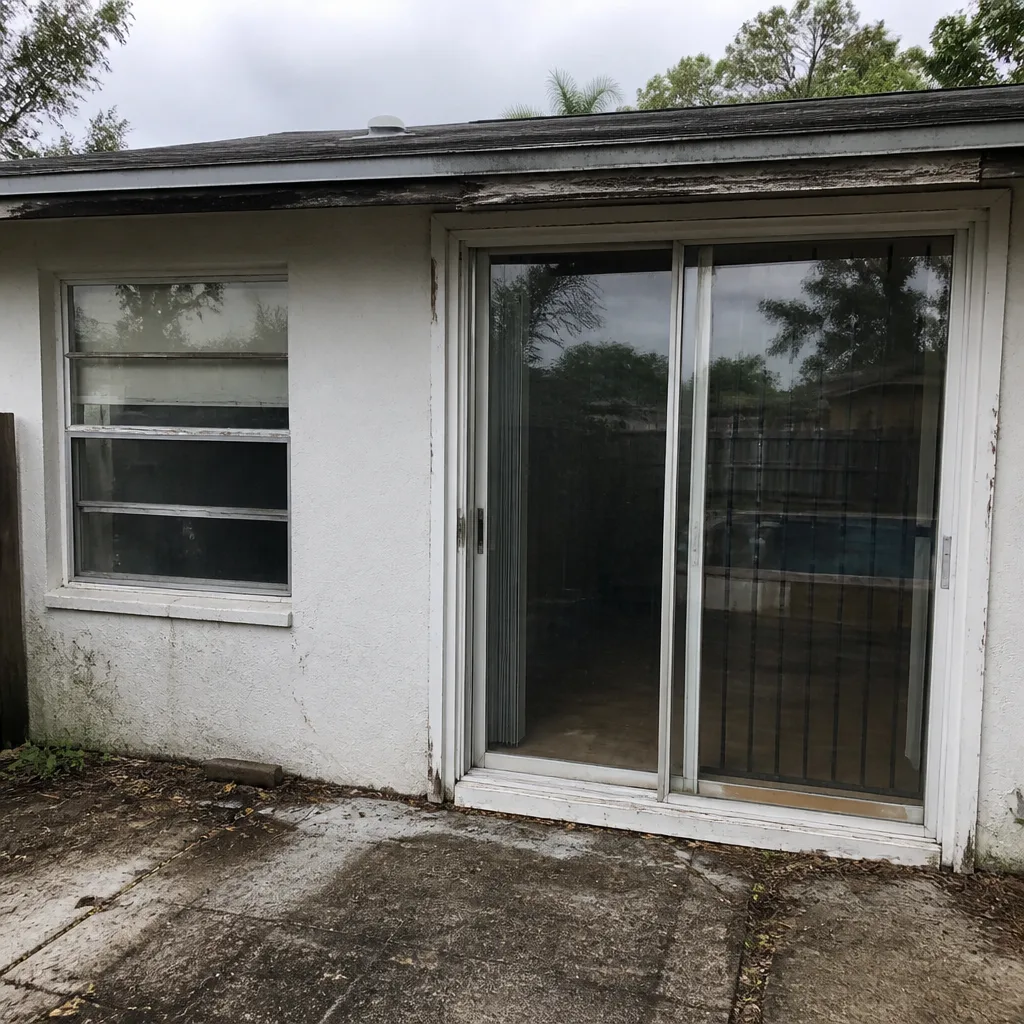 Before
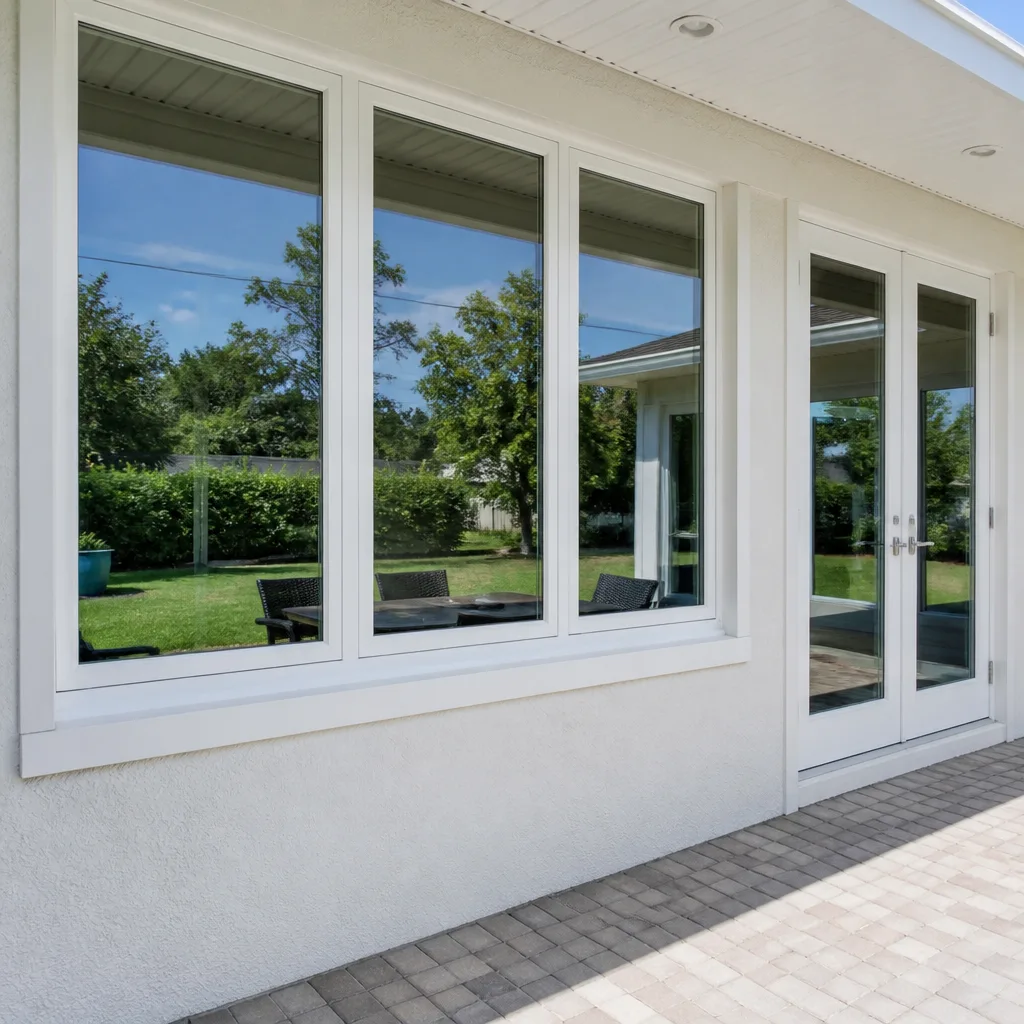 After
AfterDIY vs Professional Windows & Doors: The Mangonia Park Homeowner’s Decision Guide
Here’s the counterintuitive truth about DIY window replacement in Florida: the law says you can pull your own permit, but the building code says your work almost certainly won’t pass inspection. In Mangonia Park, which sits squarely inside Palm Beach County’s High Velocity Hurricane Zone (HVHZ), every window and door installation must meet impact standards that require documented installer training. Most homeowners don’t have it. This guide from Winslow Windows & Doors walks you through exactly where the legal line sits, what happens when you cross it, and how to decide whether partial DIY makes sense for your Mangonia Park home. For more on the contractor side, see our How to Hire a Windows & Doors Contractor in Mangonia Park: A Step-by-Step Guide. We’ll cover costs, code clauses, insurance implications, and the one scenario where doing some of the work yourself actually pays off.
Quick Answer
For most Mangonia Park homeowners, professional installation is the only path that legally passes inspection: Florida allows homeowner permits, but HVHZ code requires installer compliance documentation that DIYers can’t produce. You can legally handle prep work and cosmetic caulking, and you’ll save a few hundred dollars doing so. Attempting the full install yourself typically ends in a failed inspection, lost wind mitigation credits, and a bill that exceeds what professional window installation in Mangonia Park would have cost from day one.
Table of Contents
- The Florida DIY Permit Paradox
- What HVHZ Installation Really Demands
- What Homeowners Can Legally Do Themselves
- The Insurance Risk You Didn’t Sign Up For
- Cost Comparison: DIY Fail vs. Professional Install
- The Partial DIY Framework That Actually Works
- Mangonia Park-Specific Code Notes
- Common Mistakes to Avoid
- When to Call a Professional
The Florida DIY Permit Paradox
Florida Statute 489.103(7) is the provision most DIY guides cite. It says a homeowner can act as their own contractor and pull permits for work on their primary residence. On paper, that covers window and door replacement. What those guides leave out is Chapter 16 of the Florida Building Code, which governs the HVHZ that includes all of Mangonia Park, Riviera Beach, West Palm Beach, and everything else east of the Intracoastal in Palm Beach County.
Here’s the sequence most homeowners don’t see coming:
- You pull the permit. The building department is happy to take your fee. Nobody stops you at the counter and mentions what’s coming later.
- You install the window. You shim it, level it, screw it into the buck. It might even look clean from the inside.
- The inspector arrives. Under Florida Building Code §1709 in the HVHZ, the inspector must verify that the installation complies with the product’s impact approval documentation. That documentation requires the installer to have completed manufacturer-specific training.
- You don’t have that training. The inspector can’t sign off, regardless of how tidy your caulk lines look.
What Homeowners Typically Miss: the inspector isn’t judging your workmanship. They’re verifying a compliance chain that starts with documented installer training. In Mangonia Park, we’ve seen inspectors who are genuinely sympathetic. They can’t bend this one. The code doesn’t give them discretion once they confirm the installer didn’t hold the required documentation.
This is why impact windows in Mangonia Park carry a different set of rules than windows in, say, Texas or Georgia. The product approvals assume a trained installer. Remove that link and the approval chain breaks.
What HVHZ Installation Really Demands
When we talk about HVHZ compliance, we’re not talking about a preference or a best practice. We’re talking about a regime where the window, the anchor, the frame, and the installer’s credentials all have to line up on paper before the inspection passes. Here’s what the inspector checks on a typical Mangonia Park window replacement:
- Product approval. The specific window model must have a Florida Building Code approval number (FL number) and be rated for the wind zone where the home sits. Mangonia Park falls in a 170+ mph wind zone in the current code.
- Anchoring pattern. The screws or anchors must match the spacing, embedment depth, and substrate requirements on the product approval drawings. Not close. Exact.
- Flashing and sealant spec. The type of flashing tape, the sealant bead size, and the shim material all appear in the approval. Substituting a different product voids the approval.
- Installer documentation. For HVHZ impact applications, the code requires that installation be performed by installers who have been trained and certified by the manufacturer or an equivalent program. The inspector can request this documentation as part of the final inspection.
- Building envelope continuity. The window or door has to tie into the structure’s existing water barrier. In many 1980s-era Mangonia Park homes with wood-frame construction, the existing barrier is compromised, and the opening has to be brought up to current code before the new window goes in.
That last item matters more in Mangonia Park than people expect. Homes built before 2002 often have window openings that don’t meet the current anchoring requirements, meaning the opening itself has to be reconstructed. That’s not a one-person weekend job.
In our experience across window replacement in Mangonia Park, roughly a third of the openings we touch need some structural remediation before the new window can be installed. A homeowner who doesn’t know that ahead of time is in for a surprise at the rough opening.
What Homeowners Can Legally Do Themselves
This is where the picture gets brighter. The code doesn’t shut the homeowner out entirely. The Florida Building Code permits homeowners to do certain work with their own hands, even inside the HVHZ, as long as the work isn’t part of the structural installation itself. Here’s what’s legally and practically on the table:
- Old window demolition. You can remove the old sashes, cut the old frame out, and clean the opening down to the rough framing. This is labor, not installation. On a standard window, that’s 45 minutes to 2 hours of licensed crew time you’re paying for, typically $75 to $150 per opening.
- Interior trim removal and reinstall. Taking off the interior casing before the crew arrives and putting it back after they leave is your work. If you’re handy with a brad nailer, this is a weekend afternoon.
- Post-install caulking. Once the window is installed and the inspection is passed, you can run a bead of paintable caulk around the interior casing. The inspector is gone. This is cosmetic.
- Painting. The same logic applies. Paint is yours to own.
- Debris removal. You can pile the old windows by the curb. Hauling away demolition debris saves the dump fee and the hauling line item.
Real dollar value of the labor offset: on a 10-window replacement, doing your own demo and trim work typically saves between $1,500 and $2,800 in Mangonia Park. That’s real money. And it’s money you can capture without ever touching an impact-rated fastener.
What you should not touch: the anchor pattern, the flashing, the sill pan, the shim leveling, the sealant bead on the exterior, or anything that appears in the product approval. Those are structural, and they’re the parts the inspector’s report hangs on.
The Insurance Risk You Didn’t Sign Up For
Here’s the part most DIY guides skip entirely, and it’s the most expensive mistake a Mangonia Park homeowner can make. Your wind mitigation report, the document that drives your hurricane premium discount, is tied to the documentation trail of your windows and doors. If the installation was never permitted or the permit was never closed, the window doesn’t count. The discount evaporates.
Let’s put numbers on that. In Palm Beach County, a home with a fully documented wind mitigation credit often carries an annual premium that’s 35% to 50% lower than the same home with no credits. On a typical $4,000 to $6,000 annual policy for a Mangonia Park single-family home, that’s a difference of roughly $1,400 to $3,000 per year. Every year.
A failed or missing inspection isn’t a one-time fee. It’s an annual tax on your insurance bill until the window is brought back into compliance. And the carriers are getting sharper. Since 2022, we’ve watched insurers in this market require reopened permits and passing inspections before reinstating wind mitigation credits. They check.
There’s also the claims angle. If a window fails during a storm and the installation was unpermitted, the carrier can decline the water intrusion claim outright. That’s not speculation. We’ve talked, in our experience, with Mangonia Park homeowners who learned this the hard way after a summer squall pushed rain through a DIY window flash. The claim denial letter cited the installation, not the window.
The takeaway: the permit isn’t bureaucracy. It’s the load-bearing wall of your insurance file.
Cost Comparison: DIY Fail vs. Professional Install
Let’s look at the numbers side by side, using a single PGT or CGI impact window replacement in a typical Mangonia Park concrete-block home. These are real market ranges from our work here since 2011. We’ll use one window to keep it simple and then multiply for a whole house.
The DIY path that fails inspection:
- Permit application fee: $85 to $150 for the first window, plus incremental fees per additional opening
- Impact-rated window unit (PGT WinGuard or equivalent): $500 to $900 for a standard 36″ x 48″ opening
- Anchor hardware, flashing, sealant, shims: $60 to $120
- Tools you don’t already own (masonry bits, impact driver, level, suction cups): $150 to $300
- Your time: one full day minimum on the first window
- Re-inspection fee after failure: $70 to $120 per attempt
- Remediation labor to correct the anchor pattern or flashing, done by a licensed contractor: $350 to $700 per window
- Total typical DIY fail cost: $1,215 to $2,410 for one window, before you count lost insurance credits
The professional install from the start:
- Permit fees handled and coordinated by the contractor: included in the quote
- Impact-rated window unit, same brand tier (we install PGT, CGI, CWS, and more): $500 to $900
- Full installation, including anchor pattern, flashing, sealant, leveling, interior trim: $350 to $600 per window for a standard replacement
- Inspection coordination and the pass: included
- Total professional install cost: $850 to $1,500 for one window, with the permit closed and the wind mitigation credit filed
Look at the overlap. The professional install is usually cheaper than the failed DIY path once you add re-inspection and remediation. And that’s before the insurance premium hit, which compounds for as long as the permit stays open.
Therma-Tru doors follow the same math, by the way. A Therma-Tru entry door that fails an HVHZ inspection due to an untrained installation is an expensive door with a problem attached to it. We install Therma-Tru doors in Mangonia Park regularly, and the installation details are just as unforgiving as the window side.
The Partial DIY Framework That Actually Works
So you have the skills, the time, and the interest. Great. Here’s how to structure a split-scope agreement with a licensed contractor in Mangonia Park that captures your labor savings without putting the permitting or the inspection at risk.
- Get the scope in writing. Ask the contractor to quote the installation with and without your DIY line items. The two numbers should differ by the retail labor rate times the hours for those tasks. If the contractor won’t split it, that’s a signal about how they run jobs.
- Clearly define the line of demarcation. You’re doing: old frame demolition, interior trim removal, post-inspection caulk and paint, debris hauling. You’re not doing: anything that touches the rough opening, the anchors, the flashing, or the exterior sealant.
- Get the order of operations in writing. You demo on Tuesday night. The crew arrives Wednesday morning to install. You reinstall trim Sunday. If your demo runs late, the crew still arrives Wednesday, and you own the conflict.
- Ask who pulls the permit. It should be the licensed contractor. Full stop. Never let a contractor “help” you pull a homeowner permit as a workaround. It’s not a workaround. It’s the same liability bomb.
- Ask who closes the permit. Same answer. The contractor handles the inspection and the close-out. You get a copy of the final approval for your insurance file.
We’ve done split-scope work in Mangonia Park more than a few times. The homeowners who save real money are the ones who treat the line item sheet like a contract, not a handshake.
One warning from lived experience: don’t try to negotiate the Windows prep work on the day of installation. A crew showing up to a half-demolished opening they didn’t expect is a crew that does rushed work. Have the conversation before the contract is signed, and put the scope in the schedule.
Mangonia Park-Specific Code Notes
Mangonia Park is a small municipality, roughly 0.7 square miles, bordered by Riviera Beach to the north, West Palm Beach to the south, and I-95 to the west. The town uses the Florida Building Code with Palm Beach County amendments. Here’s what that means in practice for window and door work:
- Wind speed design. Mangonia Park sits in the 170 mph wind zone under current Florida Building Code maps. That’s the fastest zone in the current code. Every window and door must meet that rating.
- Older housing stock. Much of Mangonia Park was built in the 1960s through the 1980s, with a lot of concrete block construction. Those older block walls often have window openings that predate current anchoring standards.
- Inspection scheduling. The building department serves both Mangonia Park and surrounding municipalities. Inspection slots for window work are typically available within 3 to 7 days of the request. Expect to schedule around the 48-hour minimum notice.
- Storm season pressure. From June through November, everyone in Palm Beach County wants windows right now. Permit queues stretch. Planning a replacement for the offseason can mean faster turnaround.
- HOA overlays. Some Mangonia Park neighborhoods have architectural review boards that want to approve window styles and colors before work starts. That’s on the homeowner to manage, and it can add two to four weeks.
Mangonia Park’s grid of mid-century bungalows and block homes has a specific rhythm to it. The houses are close together, the lots are small, and a compressor at 7 a.m. does not make friends. None of that affects the code, but it affects the experience.
Common Mistakes to Avoid
- Pulling a homeowner permit and winging it anyway. This is the single most expensive mistake. You’ve now created a paper trail that proves the work is incomplete or noncompliant. Insurers love to find open permits. Don’t hand them one.
- Buying the wrong wind-rated window. A window rated for 140 mph is not a window rated for Mangonia Park’s 170 mph zone. Online retailers don’t always check the wind zone of your address. We’ve seen homeowners order expensive windows that failed plan review before they even got to installation.
- Skipping the flashing. The window is only as watertight as the flashing system around it. In a climate that gets 60 inches of rain a year, with sideways tropical downpours, the flashing isn’t optional. It’s the difference between a window that lasts 30 years and a rotted opening that lasts five.
- Using the wrong anchoring pattern. Concrete block needs specific anchors at specific embedment depths. Wood frame needs others. Getting this wrong can mean the window fails the first real wind load test, which is exactly the wrong time to find out.
- Forgetting the wind mitigation report. After the final inspection passes and the permit closes, someone has to file the updated wind mitigation report with your insurance carrier. If it never gets filed, the discount never lands.
- DIY-ing after a failed inspection to save face. A failed inspection isn’t a character judgment. It’s a document. The worst response is to start “fixing” things before a licensed contractor looks at the failure list. You’re now guessing at what the inspector wanted, and you might be making it worse.
When to Call a Professional
Any time the window or door requires a permit, the professional conversation should already be happening. Impact-rated products in Mangonia Park’s HVHZ are not a gray area, they’re a black-and-white code line. If you’re touching anchors, flashing, structural framing, or sealant on the building envelope, that’s licensed contractor territory. If you’re not sure which side of the line a task falls on, that’s also your answer. For more guides & resources, visit our blog. Winslow Windows & Doors offers free estimates in Mangonia Park. Call (561) 928-0302. Ed Winslow’s name is on the business, and he’s the one who picks up the phone when you call.
Frequently Asked Questions
A single impact-rated window unit in Mangonia Park typically costs $500 to $900 for a standard opening, with framing, fasteners, and tools adding $200 to $400. A failed inspection then adds re-inspection fees of $70 to $120 and professional remediation of $350 to $700 per window. For exact pricing on your specific openings, call (561) 928-0302, and Ed can give you a free written estimate.
Florida law allows a homeowner to pull a permit for their own window work, but the HVHZ code requires installer compliance documentation that most homeowners don’t hold, and the final inspection can’t pass without it. In practice, that means a DIY window in Mangonia Park is likely to fail inspection even if the physical installation is flawless. Call (561) 928-0302 if you’d like to talk through your specific situation with Ed directly.
Professional installation typically runs $850 to $1,500 per standard window for the full replacement, including the unit, labor, flashing, and the closed permit. The range varies by brand, window style, and whether the rough opening needs structural remediation. For a firm, line-item quote on your specific home, call (561) 928-0302. Ed will walk the job himself.
Mangonia Park sits in the 170 mph wind speed zone under the current Florida Building Code, which places every window and door installation under the strictest HVHZ anchoring and impact standards in the state. This applies to all openings, including side windows and glass doors. If you’re replacing windows in Mangonia Park, the product has to carry a corresponding approval number.
Your premium won’t necessarily go up, but your wind mitigation credits will be pulled if the windows aren’t permitted, inspected, and closed out, which means you’ll pay the full uncredited rate until the work is brought into compliance. That often costs homeowners $1,400 to $3,000 per year in Palm Beach County. The fix is a reopened permit, a passing inspection, and a refiled wind mitigation report.
Yes, a licensed contractor can split the scope so you do the demolition, trim work, and post-inspection caulking while they handle the structural installation and permitting. This typically saves $1,500 to $2,800 on a 10-window job in Mangonia Park. The key is getting the line of demarcation in writing before the contract is signed. If you’d like to see our split-scope template, call (561) 928-0302 and ask for Ed.
The Bottom Line
Window and door work in Mangonia Park is regulated at a level that turns the typical DIY question on its head. The Florida statute that allows homeowner permits is real, but the HVHZ compliance chain renders it effectively unusable for a full installation. What remains is a narrow but genuine lane: demolition, trim, caulk, paint. The savings are real. The risk of crossing the line is equally real and far more expensive. For everyone else, a licensed, local contractor who closes the permit, files the wind mitigation report, and answers the phone at 2 a.m. is the cost-effective choice. That’s us, Winslow Windows & Doors, the one down the road.
Written by Ed Winslow, Owner at Winslow Windows & Doors, serving Mangonia Park since 2011.
Six Reasons Homeowners Choose Winslow Windows & Doors
Impact systems engineered to design pressures up to +/-100, matched to your wind zone - your openings hold when the storm arrives.
Low-E insulated impact glass from our manufacturer lines commonly cuts monthly cooling bills 20-30%.
Laminated impact glass shuts out up to 40% of outside noise - traffic, neighbors, weather.
Monitoring services run $30-90 a month. Laminated impact glass resists forced entry around the clock, with no subscription.
Florida homeowners average around 25% savings on the windstorm portion of their policy after protecting every opening - some homes qualify for more.
A full impact package upgrades curb appeal, buyer confidence and appraised value in one project.