
Last updated August 27, 2026
Free in-home measure and quote - PGT, CGI and CWS impact lines compared on your actual openings, style by style
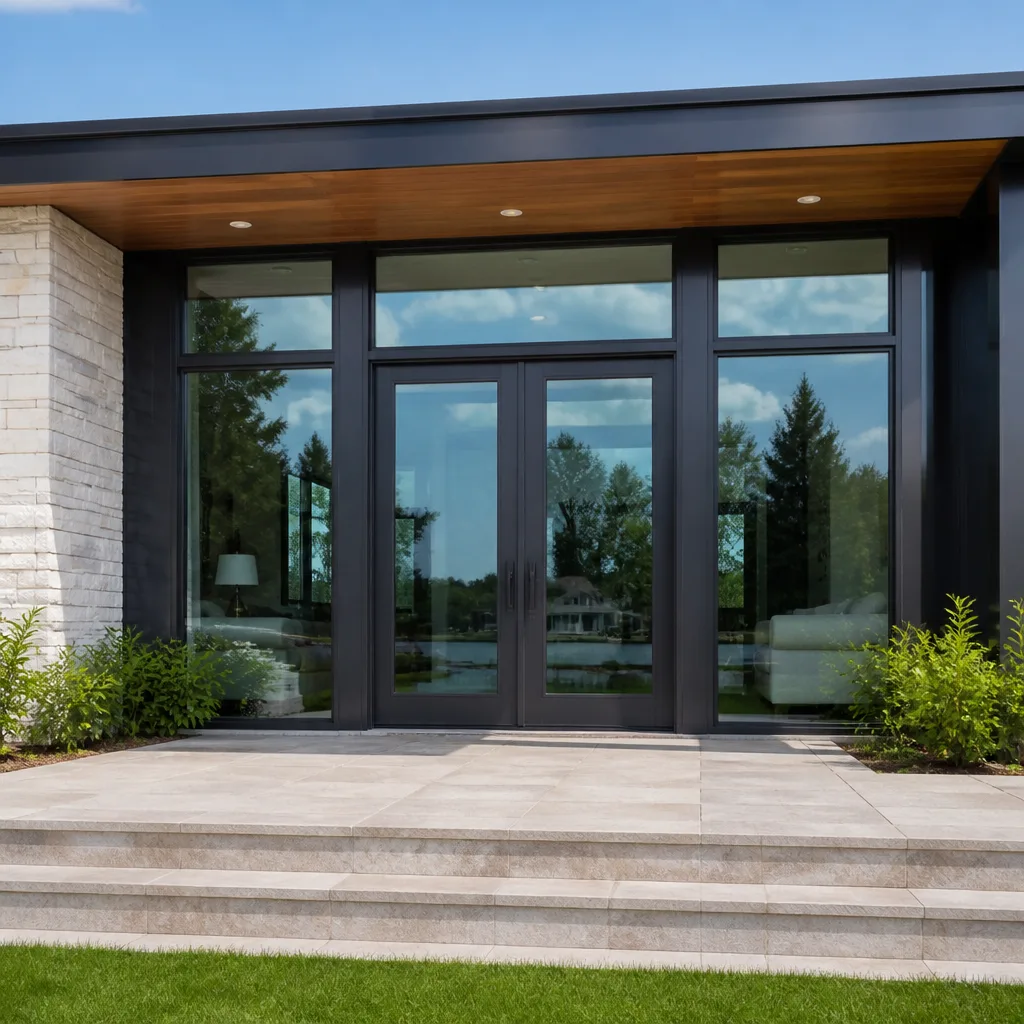
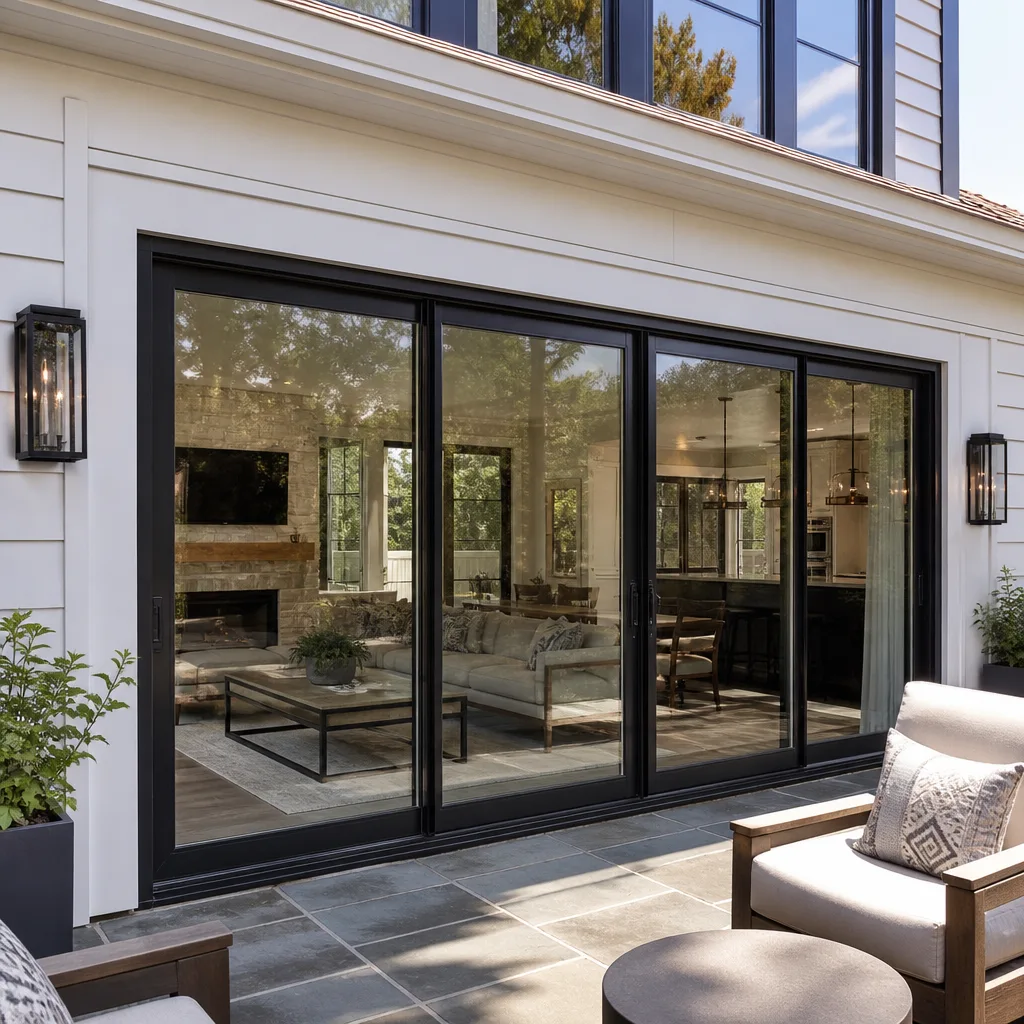
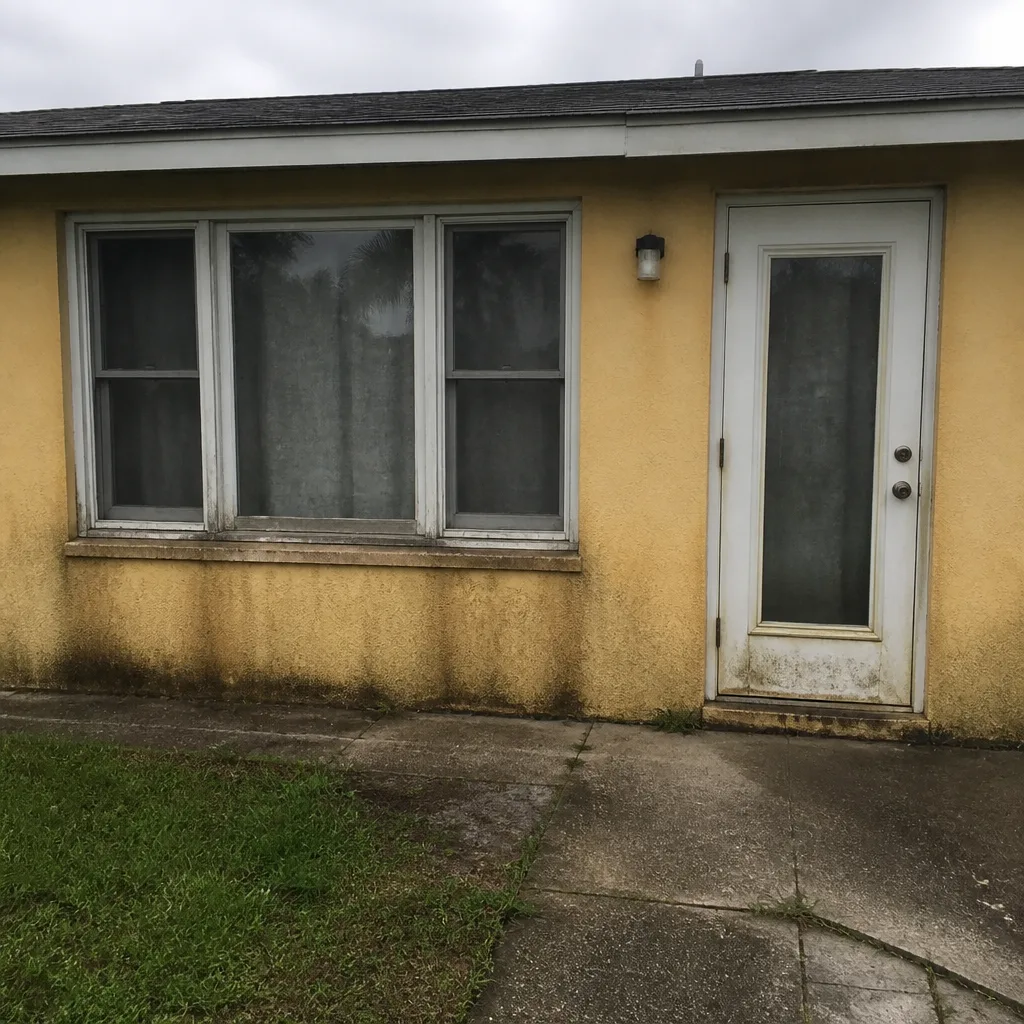 Before
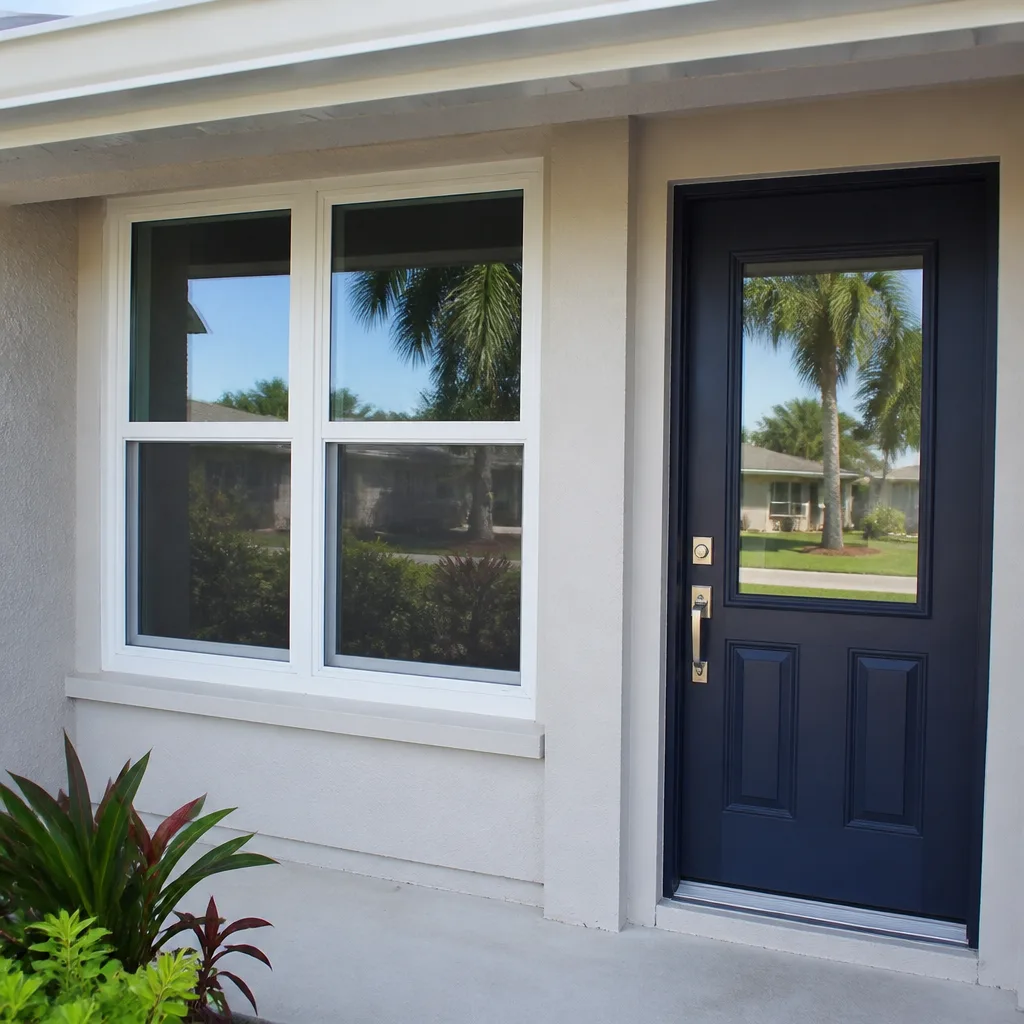 After
After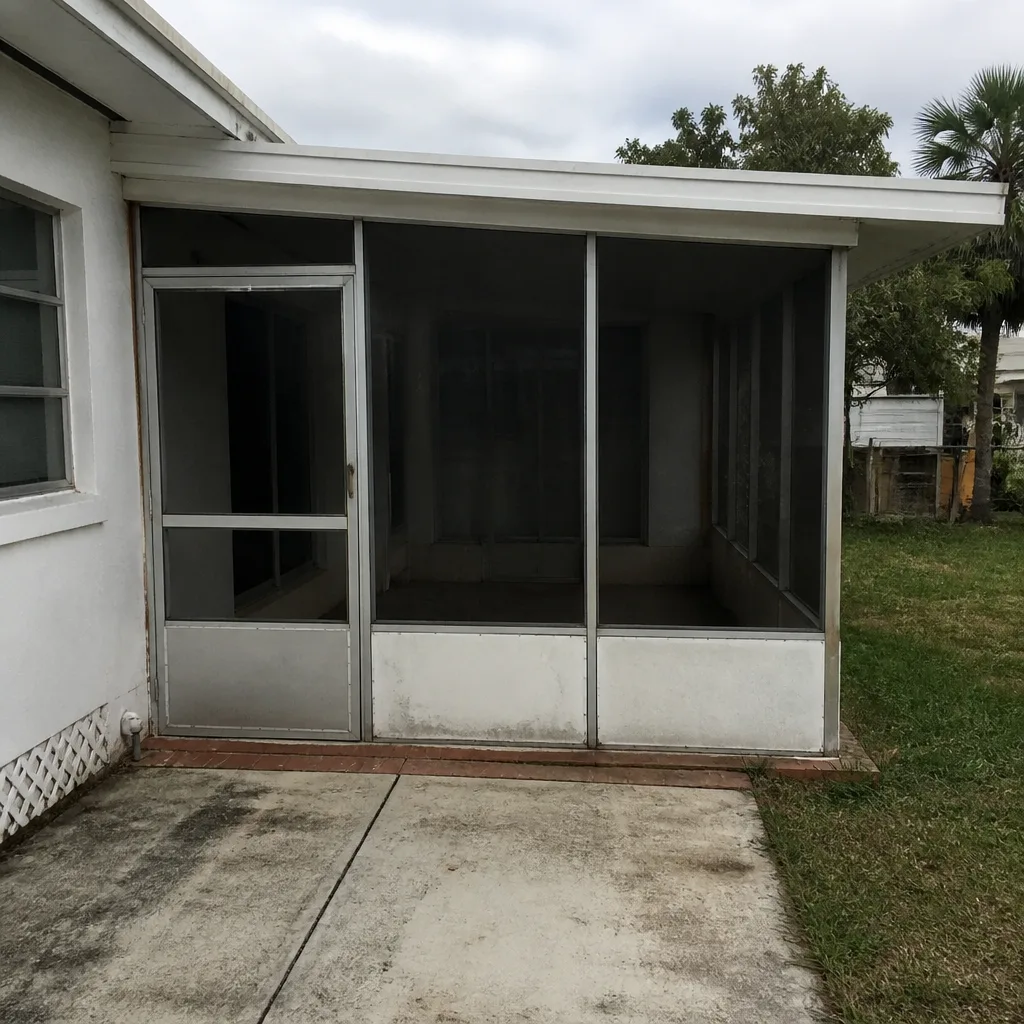 Before
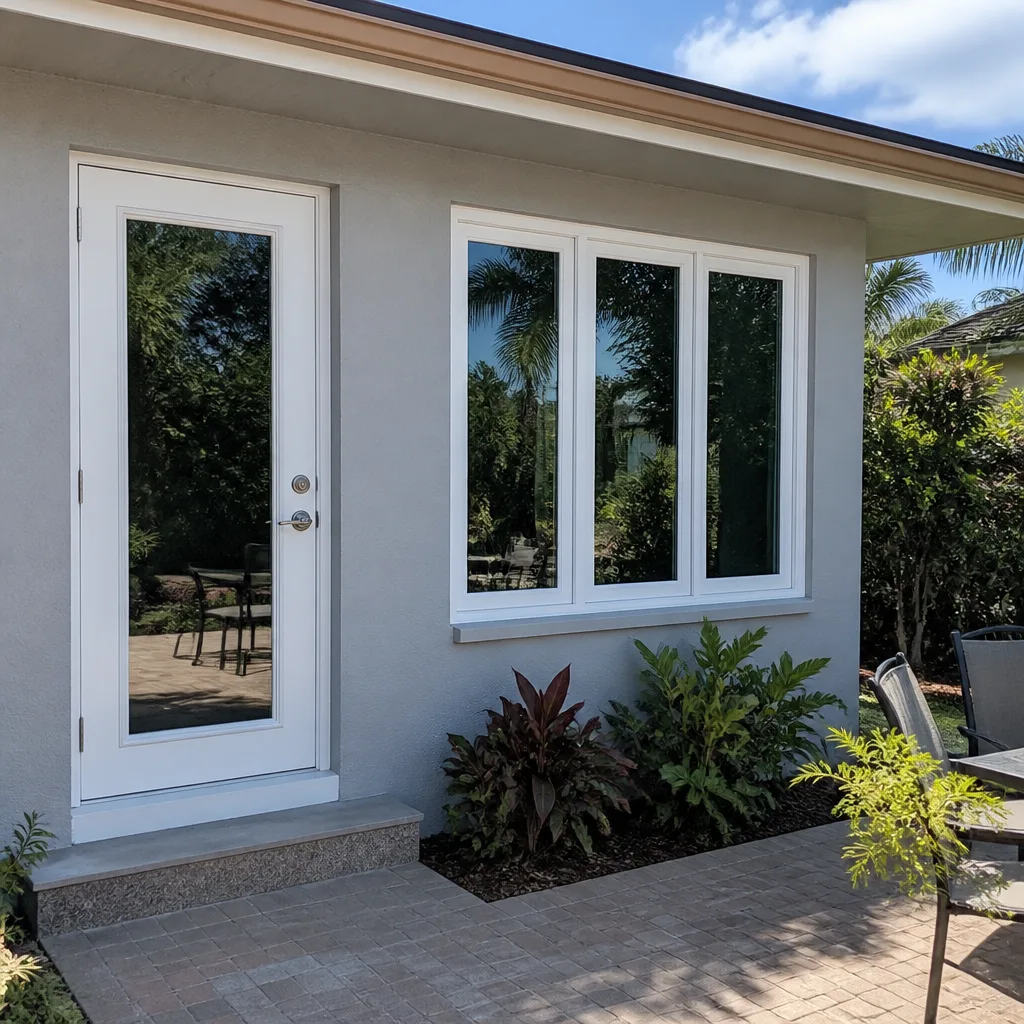 After
After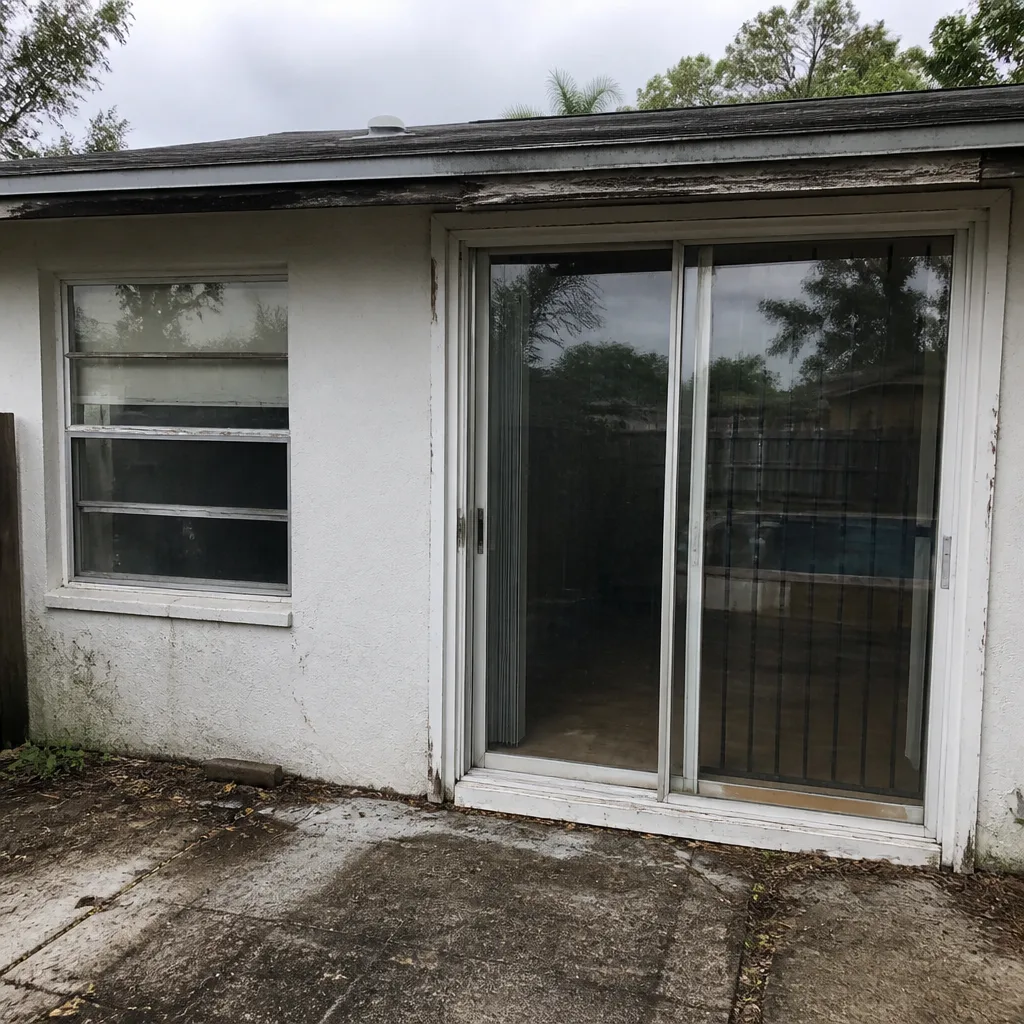 Before
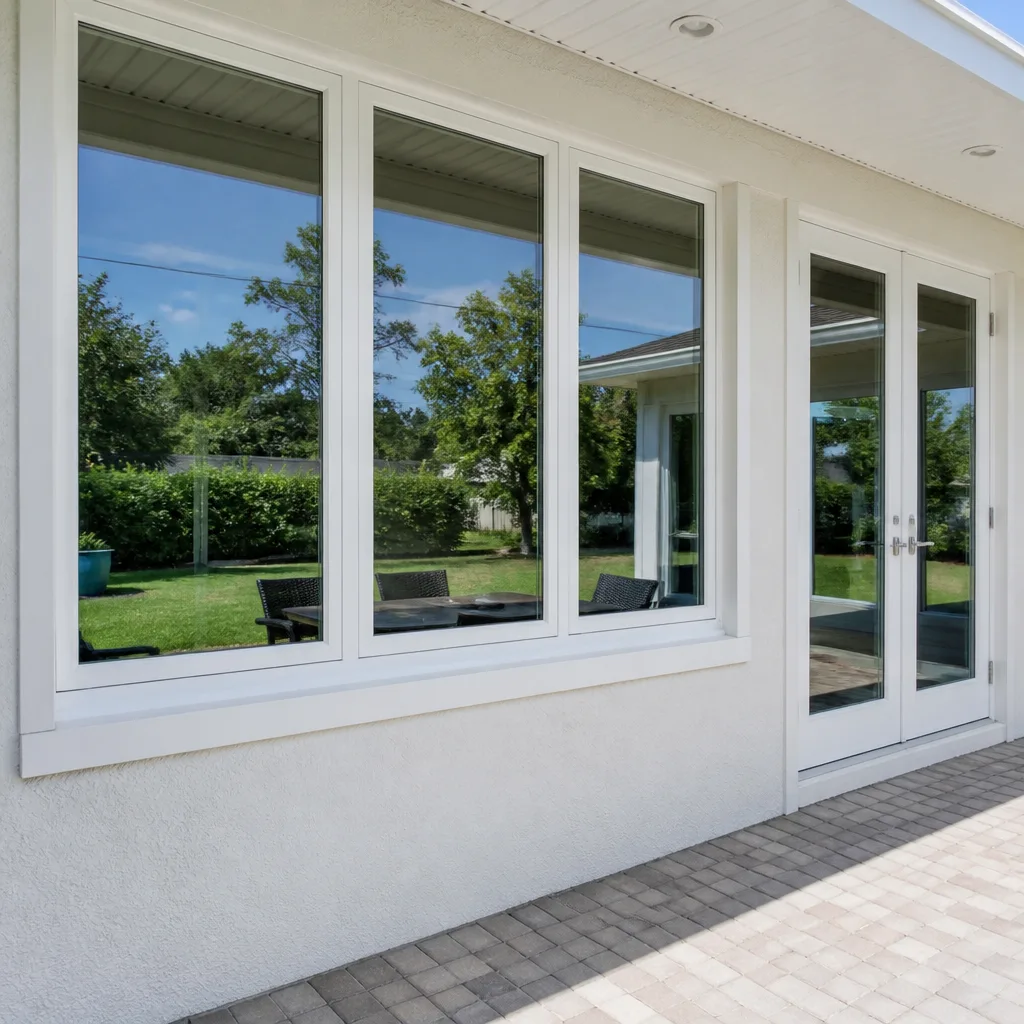 After
AfterSeasonal Windows & Doors Care for Mangonia Park: Year-Round Homeowner’s Guide
June 1st is the official start of hurricane season, but the window and door prep work that actually protects Mangonia Park homes needs to be finished by April. Most national maintenance guides tell you to caulk your windows in October and check weatherstripping before the first frost. That advice is useless here. Mangonia Park doesn’t have four seasons. It has two: hurricane season, and the buildup to the next hurricane season. This guide reorganizes year-round window and door care around the actual weather calendar South Florida homeowners live with, month by month, so your home is never scrambling when the June watches start rolling in. For more guides & resources, visit our blog.
Quick Answer
Seasonal window and door maintenance in Mangonia Park should follow a four-part cycle: dry-season inspections and frame work in February and March, pre-hurricane hardware and seal checks in April and May, post-storm assessments June through November, and condensation-cycle seal monitoring during the brief December-January cool spell. Impact windows and doors need their own specific inspection points, including non-obvious delamination checks after storms, and your maintenance log doubles as insurance documentation for future claims. A homeowner who follows this calendar catches small seal and hardware failures before they become water intrusion problems that cost thousands. See our Windows & Doors Warning Signs: A Mangonia Park Homeowner’s Reference Guide for what to watch for.
Table of Contents
- February-March: Dry-Season Frame Inspections (Before the Humidity Locks In)
- April-May: The Pre-Hurricane Hardware, Seal, and Glazing Checklist
- June-November: Post-Storm Protocols and Impact Glass Assessments
- December-January: The Condensation Cycle and Cold-Dry Seal Stress
- Coordinating Seasonal Care With Insurance Documentation
- Seasonal Care and Your Energy Bills: What Actually Moves the Needle
- Common Mistakes to Avoid
- When to Call a Professional
- Frequently Asked Questions
- The Bottom Line
February-March: Dry-Season Frame Inspections (Before the Humidity Locks In)
February and March are the sweet spot for window and door frame work in Mangonia Park. The air is still dry enough that caulk and paint cure properly, wood hasn’t started swelling from summer humidity, and you aren’t fighting afternoon thunderstorms to schedule outdoor work. Once April hits, the humidity climbs fast, and any wood repair you attempt after that is fighting moisture conditions from day one.
In our experience working on homes throughout Mangonia Park, we see the same pattern every year: homeowners wait until July to address a soft corner on a window frame, and by then the wood has swollen enough that the repair is twice as involved as it would have been in March. The dry season is your window to get ahead of it.
The February-March Inspection Sequence
- Walk every exterior opening with a screwdriver in hand. Gently press the tip into wood frames and sills at the bottom corners, where water collects. If the screwdriver sinks in more than a quarter inch, you have rot that needs addressing now, not in June.
- Check paint and caulk lines. Look for hairline cracks along the joint where the frame meets the stucco or siding. These cracks are entry points for the daily summer rain, and once water gets behind the frame, it travels down inside the wall.
- Operate every window and door, listening. Grinding, scraping, or resistance that wasn’t there last fall tells you hardware is wearing or the frame has shifted. Small issues now save big replacement costs later.
- Inspect weatherstripping with a dollar-bill test. Close the door or window on a dollar bill. If it pulls out easily, the seal has compressed and needs replacement. A failed weatherstrip in January costs you comfort; in September, it costs you a wet wall during a storm squall.
- Document everything with photos. Insurance claims and warranty disputes are won with dated evidence. A phone camera and a small notebook are the cheapest insurance you can carry.
This is also the right moment to schedule a full window replacement consultation in Mangonia Park if your inspections keep turning up rot, stuck sashes, or failed seals year after year. At a certain point, patchwork maintenance costs more than upgrading to impact-rated units designed for Palm Beach County’s climate.
April-May: The Pre-Hurricane Hardware, Seal, and Glazing Checklist
By April, every Mangonia Park homeowner should be running through a pre-storm hardening checklist. This isn’t about boarding up. It’s about making sure the windows and doors you already have will do their job when the first named storm threatens the coast. The goal is to finish everything in this phase before June, because once a storm watch goes up, you won’t be able to get hardware, and you won’t want to be on a ladder anyway.
If you have impact windows in Mangonia Park, your preparation looks different than your neighbor with standard glass and shutters. Impact-rated units from brands like PGT and CGI are tested to Miami-Dade standards, but they still need annual verification that hardware, seals, and glazing are intact. An impact window with a compromised seal or a loose latch is not performing at its rated capacity.
The Pre-Hurricane Sign-Off Checklist (Print and Keep)
- Test every lock and latch. On casement and awning windows, the multi-point locks should seat fully. On sliding doors, the interlock where the two panes meet should align. If a latch doesn’t close cleanly, the window isn’t sealed, and wind-driven rain will find it.
- Inspect glazing compound and gaskets. On older windows, glazing putty around the glass should be intact, not crumbled or missing chunks. On newer units, the rubber gaskets should sit flush. Any gap is a water entry point under sustained 60 mph wind pressure.
- Check the weep holes. Every window and sliding door frame has small drainage channels at the bottom. In Mangonia Park, these clog with dirt, insects, and pollen. A wire or compressed air clears them. If they’re blocked, water that penetrates the frame during a storm has nowhere to drain and ends up inside your wall.
- Verify hinge screws are tight. On hinged impact doors, the screws holding hinges to the frame should be tight in their holes. If a screw spins without tightening, the hole has stripped and the door’s rating is compromised. This is a quick fix worth handling in May.
- Test the seal on every operable window with the paper test. Close each window on a sheet of paper. Tug. If the paper slides out freely along any section, mark that window for weatherstrip replacement before storm season.
- Photograph each window closed and latched. These photos serve as your baseline for post-storm comparison, and as documentation that maintenance was current if you ever need to file a claim.
We can’t stress the weep holes enough. In Mangonia Park, we regularly see spring failures due to weep holes that haven’t been cleared in years. The homeowner assumes the window is sealed, but storm rain enters the frame channel, pools, and overflows into the interior sill and wall cavity. It’s a five-minute fix that prevents thousands in drywall and insulation damage.
June-November: Post-Storm Protocols and Impact Glass Assessments
Hurricane season in Mangonia Park runs June 1 through November 30, but the heavy activity clusters between mid-August and late October. After any named storm passes within 100 miles, even if it only brought feeder bands, you should run a post-storm assessment on your windows and doors. The damage that matters most is often invisible from inside the house.
What to Check After Every Storm
- Glass delamination. On impact glass, the layers are bonded with an interlayer. Delamination is when that bond begins to separate, often starting as a foggy or milky patch at the edge of the pane. It’s subtle, and it doesn’t always appear immediately. Check edges with a flashlight held at a low angle. Any cloudy band or distortion means the impact laminate was stressed and the window’s storm rating is compromised, even if the glass looks intact from straight on.
- Frame flex marks. Look for fresh cracks in paint or caulk around frames, especially at top corners. These indicate the opening flexed under wind load. A small crack now is a sign the frame had movement, and repeated flexing will widen it.
- Water staining on interior sills and walls. Stains that weren’t there before the storm tell you water found a path during the event. The path may be far from the stain. Check the top of the frame and the exterior head flashing.
- Hardware that’s stiffer or looser than before. Storm vibration can loosen screws and misalign rollers. Run the same operation test you ran in May and compare.
- Door sweep and threshold wear on exterior doors. Wind-driven rain pools at the base of doors. A door sweep that was marginal in May may have been pushed past the point of usefulness by one afternoon of horizontal rain.
For Mangonia Park homeowners with standard windows and storm shutters, add a shutter check to the same routine. Accordion shutters need their tracks cleaned and lubricated. Panel shutters need their mounting hardware verified tight. And if you have both standard windows and no shutters, this is the season to seriously consider impact windows for your Mangonia Park home, not as a convenience upgrade but as the structural difference between riding out a storm and taking on preventable damage.
December-January: The Condensation Cycle and Cold-Dry Seal Stress
Mangonia Park gets a brief cool, dry spell from mid-December through January. Overnight temperatures can dip into the 40s a few times a season, and indoor humidity that never bothered you in August suddenly condenses on single-pane glass and poorly insulated frames. This is the one time of year South Florida windows experience the same stress profile as northern climates, and it catches homeowners off guard because it contradicts everything they expect about living in Florida.
What the Cool Season Reveals About Your Seals
Condensation on the inside of your glass in January is not necessarily a failed window. It’s temperature differential finding a cold surface. But the pattern of it tells you a lot. Condensation evenly across the center of the pane is normal for single-pane windows on cold mornings. Condensation around only the edges, especially in a ring pattern, suggests the insulated glass unit’s edge seal is failing. Condensation between the panes is a definitive seal failure, no question.
The cool-dry cycle also shrinks wood frames slightly. A frame that swelled all summer and fall contracts a fraction of an inch, and that’s when you’ll notice doors that suddenly latch differently or casement windows that operate more freely. This is normal, but it’s also your annual reminder that wood frames in Mangonia Park live in a constant expansion-contraction loop. When we install new windows for Mangonia Park homeowners, we account for this movement with proper flashing and sealant selection. Cheap installs don’t, and the caulk fails within two seasons.
During January, add one more check: run your hand along the interior of every exterior wall near a window or door after a cold night. Any dampness that doesn’t match the condensation pattern outside indicates a thermal bridge, where warm interior air is meeting a cold frame surface and condensing inside the wall cavity. That’s a slow-rot situation, and it’s the kind of issue that stays hidden until drywall stains appear months later.
Coordinating Seasonal Care With Insurance Documentation
Your homeowner’s insurance in Palm Beach County expects maintenance. When you file a claim for water damage or storm-related window failure, the adjuster’s first question is whether the damage resulted from a covered peril or from deferred maintenance. The difference matters, and you can protect yourself with a simple documentation habit.
Here’s the system that works for Mangonia Park homeowners who later need to substantiate a claim:
- Keep a running maintenance log. A simple notebook or notes app entry with the date, what you inspected, what you found, and what action you took. Older entries that show consistent seasonal care are evidence that you maintained the property.
- Photograph the same angles each season. Build a visual timeline. When a storm damages a window, you’ll show the pre-storm photo from your May sign-off, and the post-storm photo showing the change. Adjusters respond to clear before-and-after evidence.
- Keep receipts for professional work. Any repair or home window and door service call you make should be documented. Receipts establish that you acted on problems when found, which is exactly what insurers want to see.
- Document conversations about repairs. If you delay a repair for financial reasons, note it. Insurers understand that homeowners can’t fix everything immediately, but they respect records that show awareness and intent.
- Submit wind mitigation documentation after impact upgrades. If you upgrade to impact windows or doors, your insurance company may reduce your premium. New installations from PGT, CGI, or other Miami-Dade approved manufacturers need documentation filed with your insurer and with the county. We help our Mangonia Park customers prepare this paperwork as part of every installation.
None of this requires anything beyond a phone and a little discipline. The payoff is that when a storm comes through and something fails, you’re not arguing from a position of “trust me.” You have the records.
Seasonal Care and Your Energy Bills: What Actually Moves the Needle
Maintenance and energy performance are connected, but not in the way most guides suggest. A dirty window track is ugly. A failed weatherstrip costs you real money. Here’s what our customers in Mangonia Park actually report after addressing the basics:
Failed weatherstripping on a single exterior door admits enough unconditioned air to feel like leaving a small window open year-round. In summer, that’s humid 90-degree air coming in while your AC runs. In the brief cool spell, it’s that same air going out, and your heater (if you even run one) working against the leak. Replacing worn strips is the highest-return maintenance item on most doors.
Failed insulated glass seals cost more than comfort. When the seal between panes fails, the insulating gas escapes and the unit’s R-value drops to nearly that of a single pane. You can’t re-seal a failed unit. At that point, window replacement in Mangonia Park is the fix, and if you’re replacing anyway, energy-efficient impact windows from brands like ES Windows or ECO Window Systems solve the efficiency and storm-protection problems in one installation.
- Clear weep holes prevent frame saturation, which extends the life of weatherstripping and gaskets by keeping them dry.
- Tight hinges and latches maintain compression on seals, which is what actually blocks air movement. A sagging door leaks even with new weatherstrip.
- Intact exterior caulk keeps water out of the wall cavity. Wet insulation loses its R-value until it dries out, and in Florida humidity, it may not dry for months.
- Clean tracks on sliding doors reduce roller friction and prevent the misalignment that eventually abrades the weatherstrip.
If you’re chasing lower electric bills, start with the seal basics before buying new windows. But if your windows are 20-plus years old, single-pane, or original to the house, the math on replacement often pays back faster than most Mangonia Park homeowners expect, especially with FPL’s climate and your AC working as hard as it does from May through October. Check our Windows & Doors Cost Breakdown: The Mangonia Park Homeowner’s Reference for 2026 to run the numbers.
Common Mistakes to Avoid
- Following northern-tier maintenance calendars. Guides that tell you to caulk in October and check weatherstripping before “winter” miss Mangonia Park’s actual risk calendar entirely. October is peak hurricane season here. Your prep work belongs in spring.
- Ignoring weep holes for years. They’re out of sight at the bottom of frames, so they get skipped. A clogged weep hole that goes unnoticed through one summer thunderstorm season can cause interior water damage that a homeowner attributes to “a bad storm” when it was really blocked drainage.
- Assuming impact windows need zero maintenance. Impact-rated doesn’t mean impervious. Locks, gaskets, hinges, and weep holes all need the same attention as any window system, and delamination checks after storms are essential for maintaining the rating.
- Waiting until a storm watch to inspect. By the time a named storm is heading toward the Palm Beach County coast, you’re competing with every neighbor for hardware, contractors, and time. The prep should already be done, and the inspections under your belt.
- Not photographing pre-storm conditions. Adjusters see a lot of “that was already there” debates. Your May photos end them.
- Using interior-grade caulk outside. It fails in one summer. Exterior windows and doors need a high-quality exterior-grade sealant rated for constant UV exposure and expansion movement.
- Treating condensation as a window failure by default. In January, seasonal condensation doesn’t always mean a bad seal. Learn to read the difference before you spend money replacing glass that was never broken. And when it is a failed seal, know that replacement is the only real fix, not a recharge.
When to Call a Professional
Some of the tasks in this guide are weekend homeowner work. Others aren’t. If you find wood rot deeper than a half inch in a window frame, call before you poke further. Rot that has reached the rough opening affects structural integrity and needs evaluation beyond a DIY patch. If you discover a window or door that won’t operate, don’t force it; damaged hardware under force can jam a window permanently or crack the frame. If you see condensation between panes, that’s a sealed-unit failure, and it means the glass needs replacement, not a repair. If a post-storm check turns up fogging, delamination, or fresh stress cracks in an impact-rated unit, the window needs inspection by someone who understands impact glazing standards. Winslow Windows & Doors offers free estimates in Mangonia Park, call (561) 928-0302 and we’ll come take a look at whatever the season turned up.
Frequently Asked Questions
Run a full seasonal inspection four times a year, with the two most critical checks in April-May (pre-hurricane) and immediately after any named storm passes nearby. The February-March dry season check is your maintenance window, and the December-January cool spell reveals seal and condensation issues.
Yes. Impact-rated windows from manufacturers like PGT and CGI are tested to withstand extreme conditions, but their performance depends on intact locks, gaskets, hinges, and weep holes, plus verified absence of delamination after storms. Annual checks take under an hour for most homes.
A failed insulated glass seal typically costs $200 to $500 per window for glass replacement, depending on size, manufacturer, and whether the sash needs rebuilding. If the frame itself is failing or the window is old, full replacement often makes more financial sense. Call (561) 928-0302 for a free estimate on your specific windows.
Winter and early spring, from December through March, offer the most favorable installation conditions in Mangonia Park. Cooler, drier air makes exterior work more comfortable and helps sealants cure properly. But since hurricane season is a fixed June 1 deadline, an installation completed by April is the safest target.
Consistent documented maintenance can protect your ability to file successful claims, and installing impact-rated windows and doors often triggers a wind mitigation discount from your insurer. Talk to your agent about what documentation they require, and keep the seasonal photo log described in this guide.
Not always. Condensation on the room-side glass during cool, dry January mornings is normal for single-pane windows and doesn’t indicate a failed seal. Condensation between the panes is a definitive seal failure. A ring of condensation only at the edges can be early seal failure, especially on older insulated units.
The Bottom Line
Seasonal window and door care in Mangonia Park works on a calendar most national guides ignore: dry-season frame work in February and March, pre-hurricane hardening in April and May, post-storm assessment from June through November, and condensation-cycle inspection in December and January. Each season reveals specific problems, and each problem is cheaper to fix early. Document everything. Keep up with the small stuff. And when the inspection turns up something beyond a caulk gun and screwdriver, call a professional who understands Palm Beach County’s climate and building code. Your windows and doors are the only thing standing between your home and the next named storm. Treat them like it.
Written by Ed Winslow, Owner at Winslow Windows & Doors, serving Mangonia Park since 2011.
Need a professional eye on your windows or doors this season? Call Winslow Windows & Doors at (561) 928-0302 for a free estimate. We’re the one down the road.
Six Reasons Homeowners Choose Winslow Windows & Doors
Impact systems engineered to design pressures up to +/-100, matched to your wind zone - your openings hold when the storm arrives.
Low-E insulated impact glass from our manufacturer lines commonly cuts monthly cooling bills 20-30%.
Laminated impact glass shuts out up to 40% of outside noise - traffic, neighbors, weather.
Monitoring services run $30-90 a month. Laminated impact glass resists forced entry around the clock, with no subscription.
Florida homeowners average around 25% savings on the windstorm portion of their policy after protecting every opening - some homes qualify for more.
A full impact package upgrades curb appeal, buyer confidence and appraised value in one project.