
Last updated August 27, 2026
Free in-home measure and quote - PGT, CGI and CWS impact lines compared on your actual openings, style by style
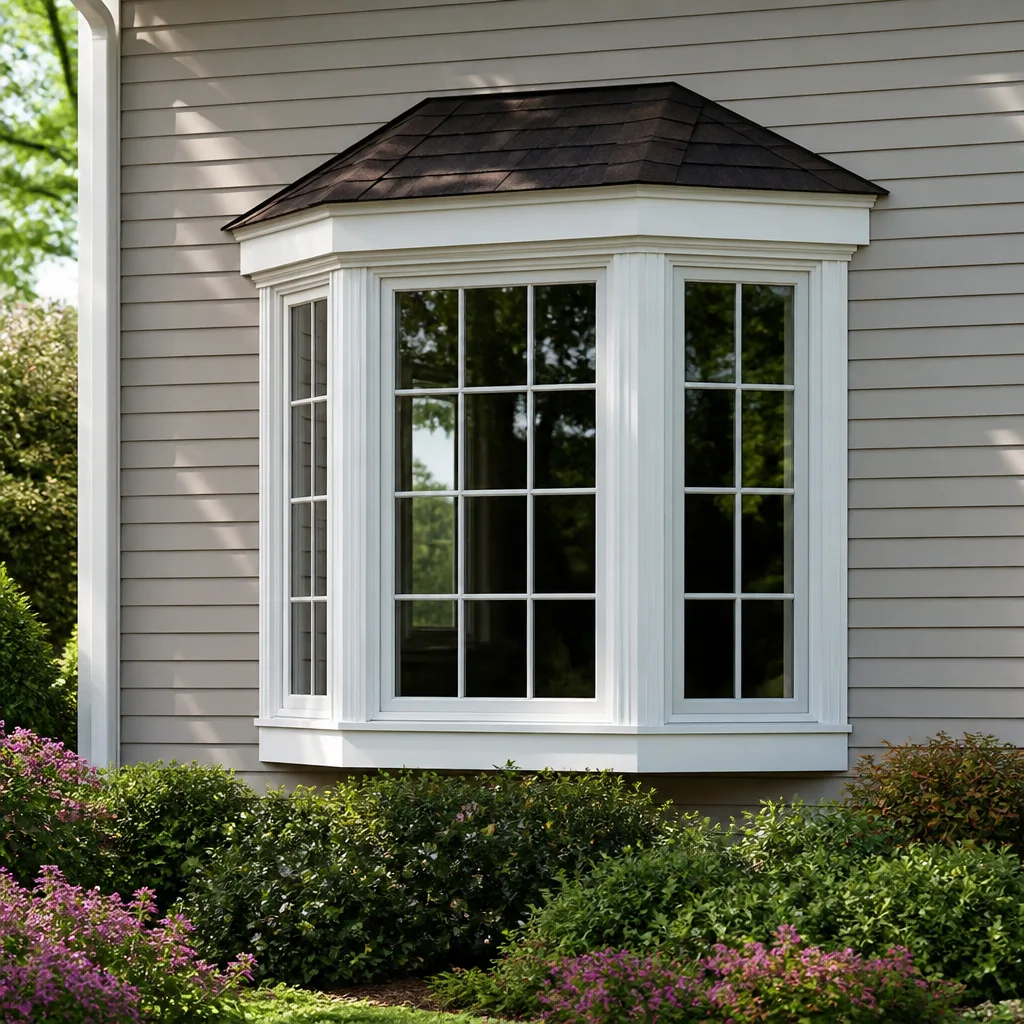
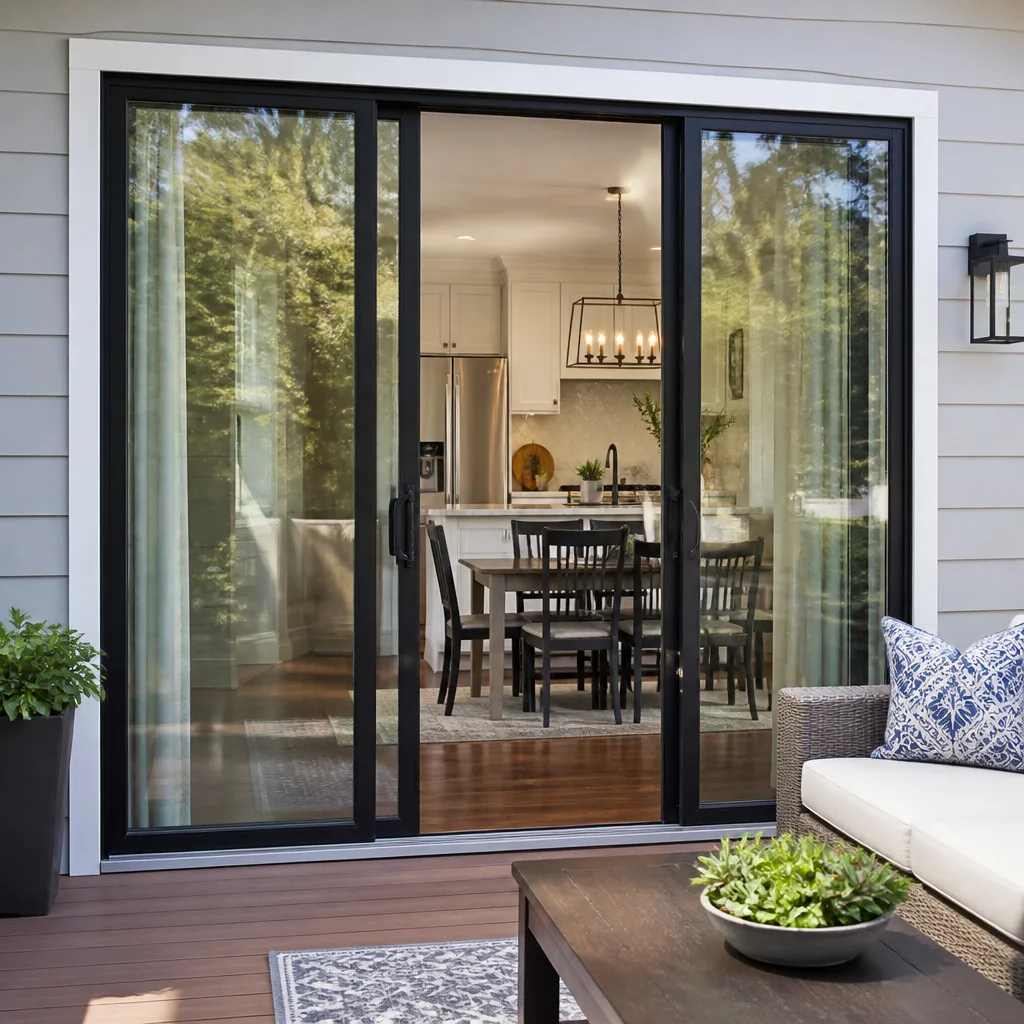
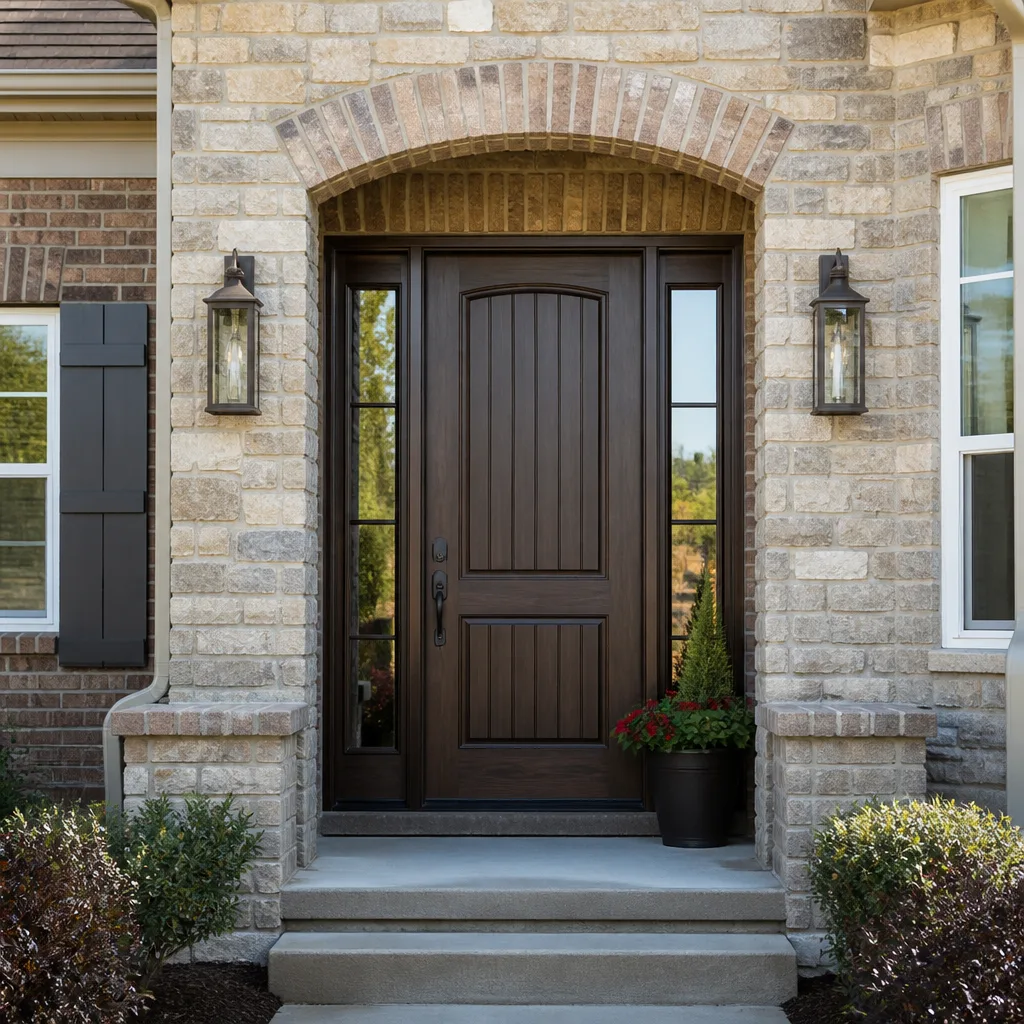
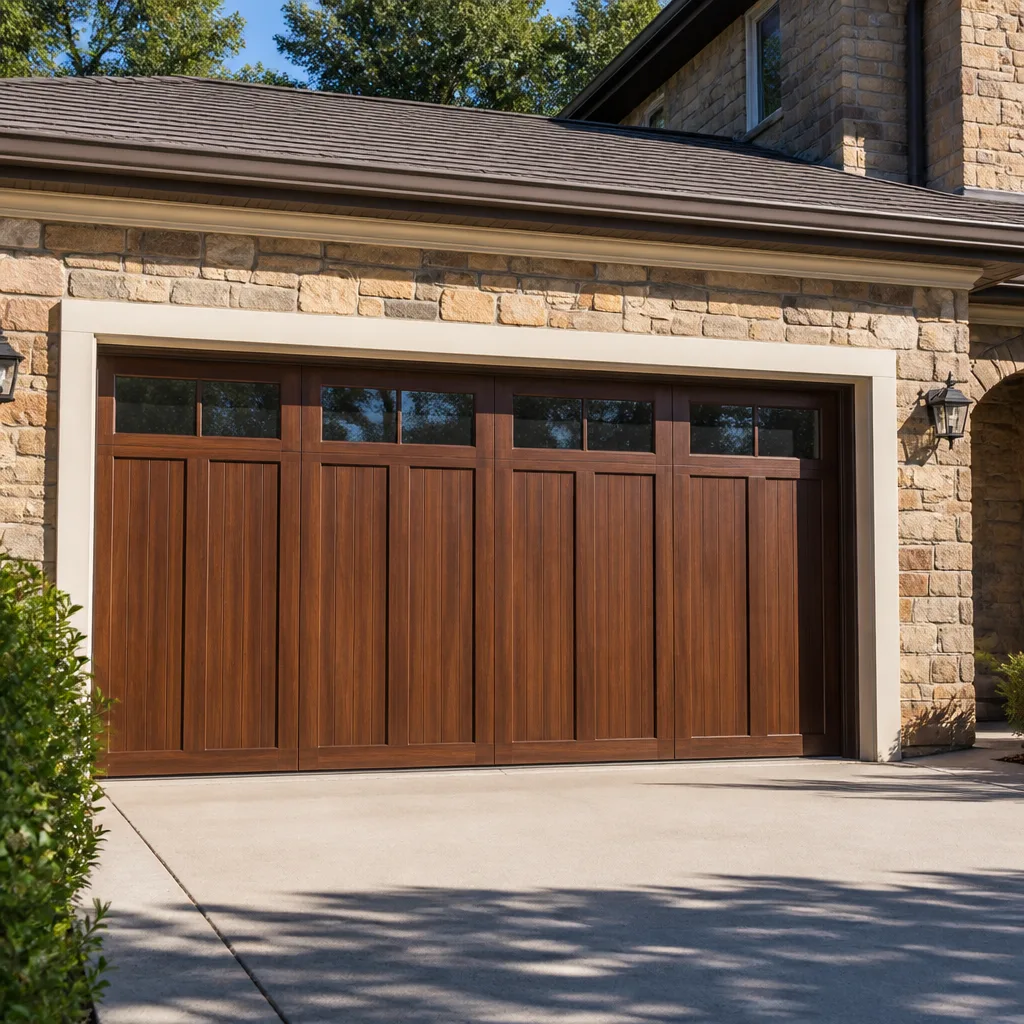
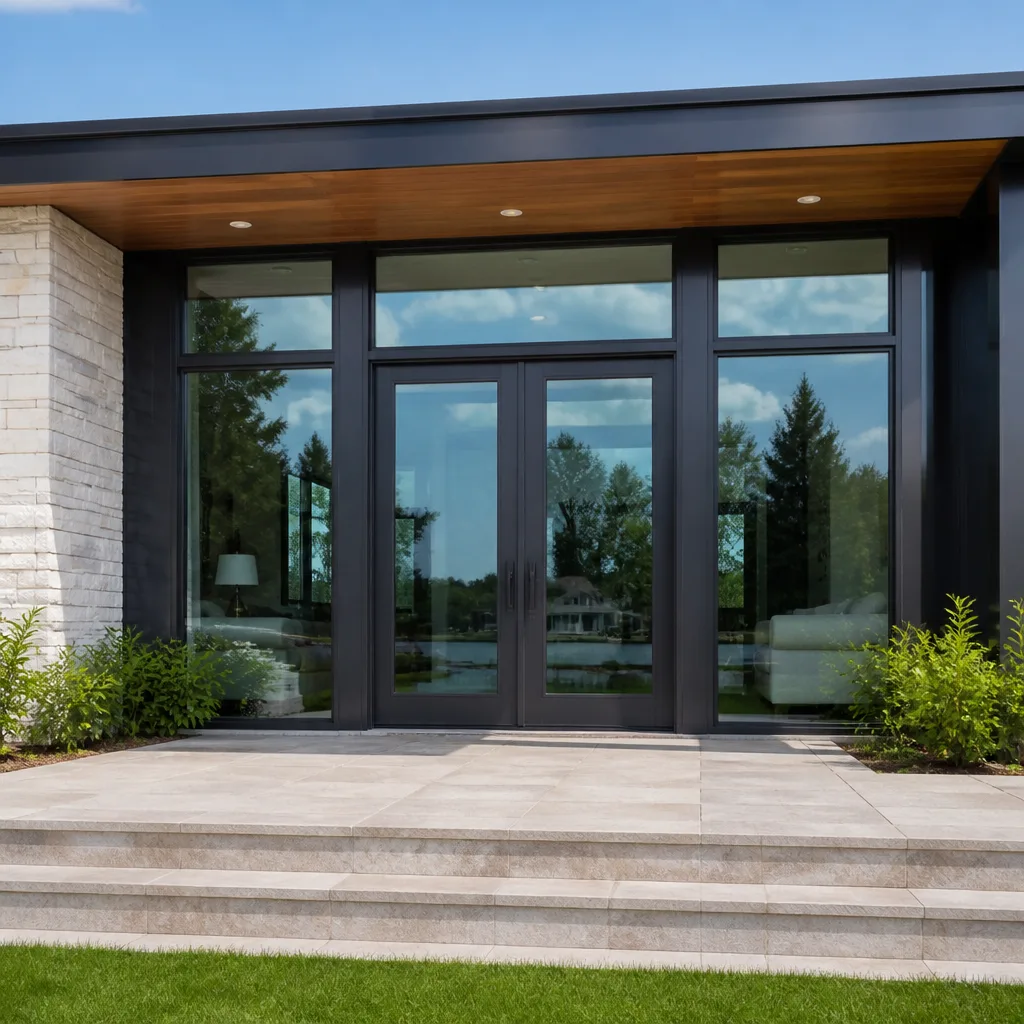
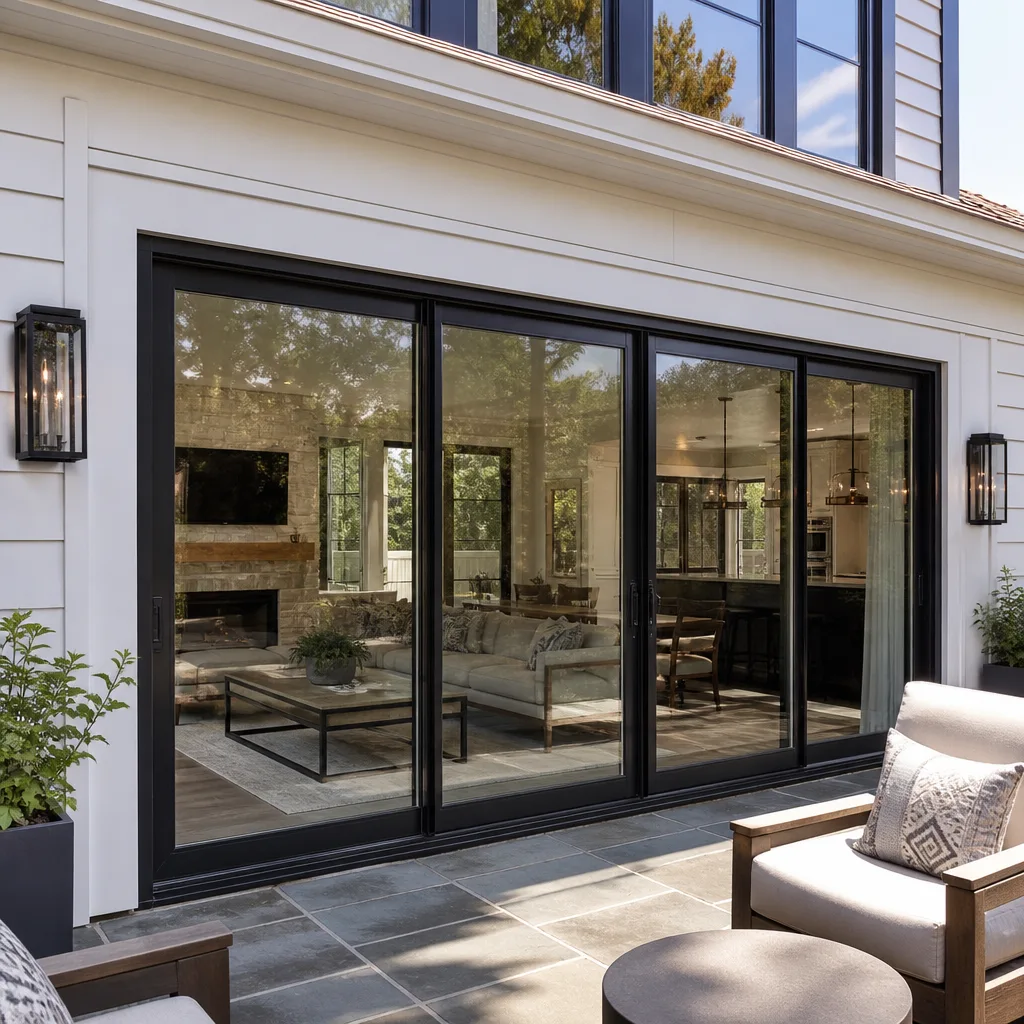
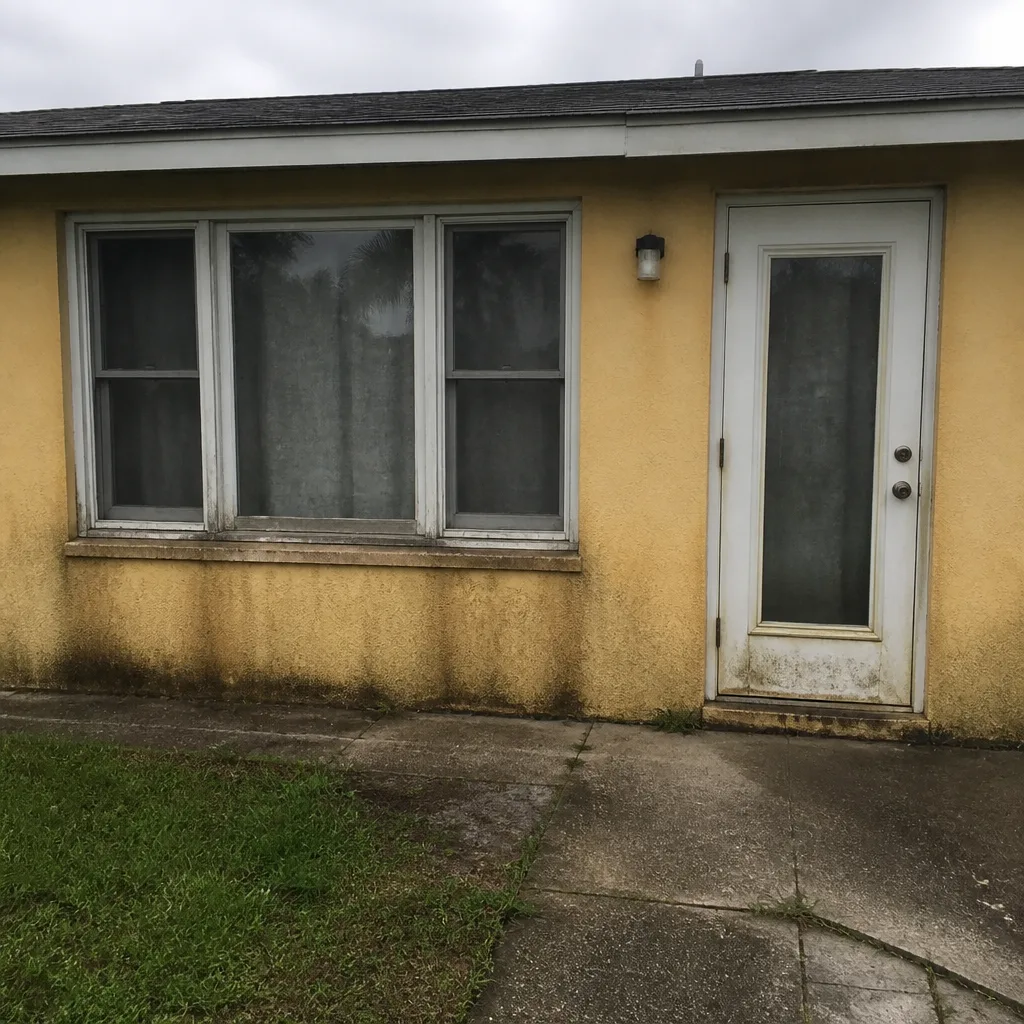 Before
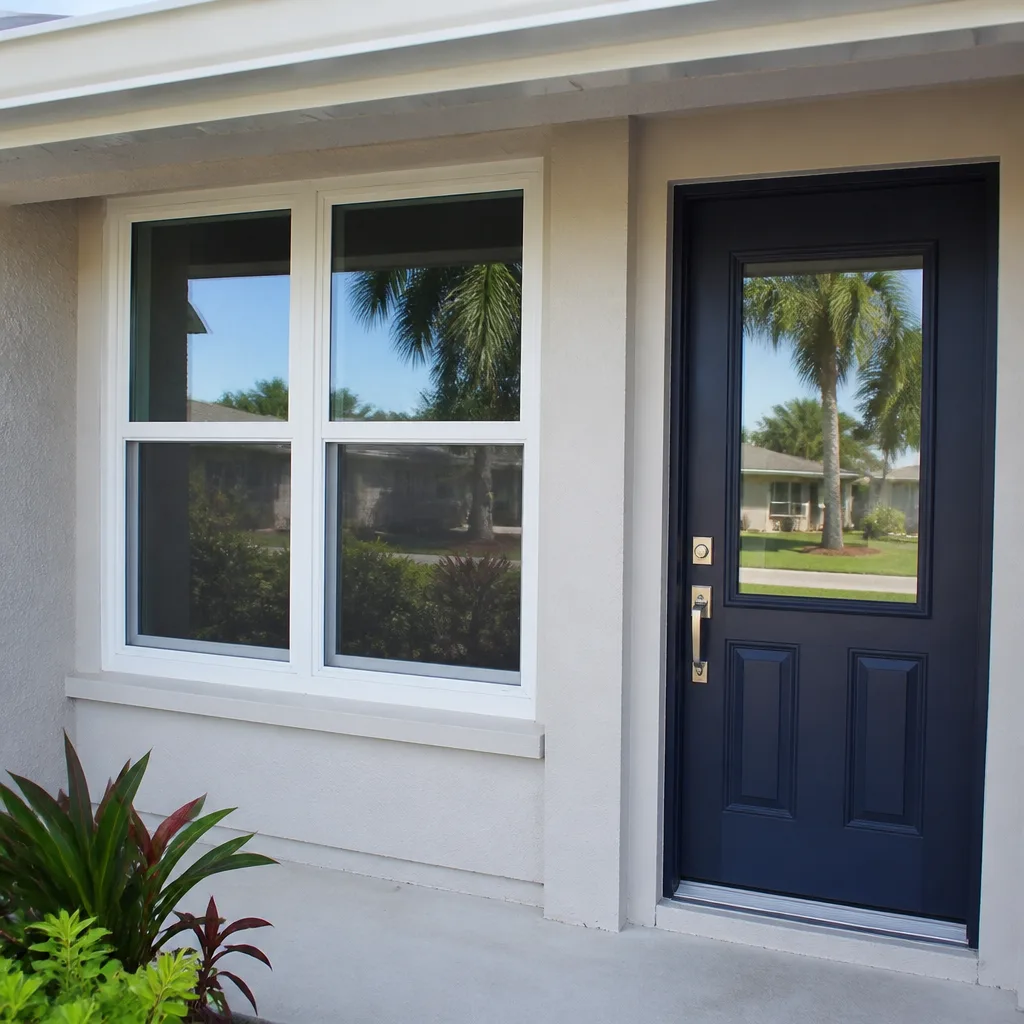 After
After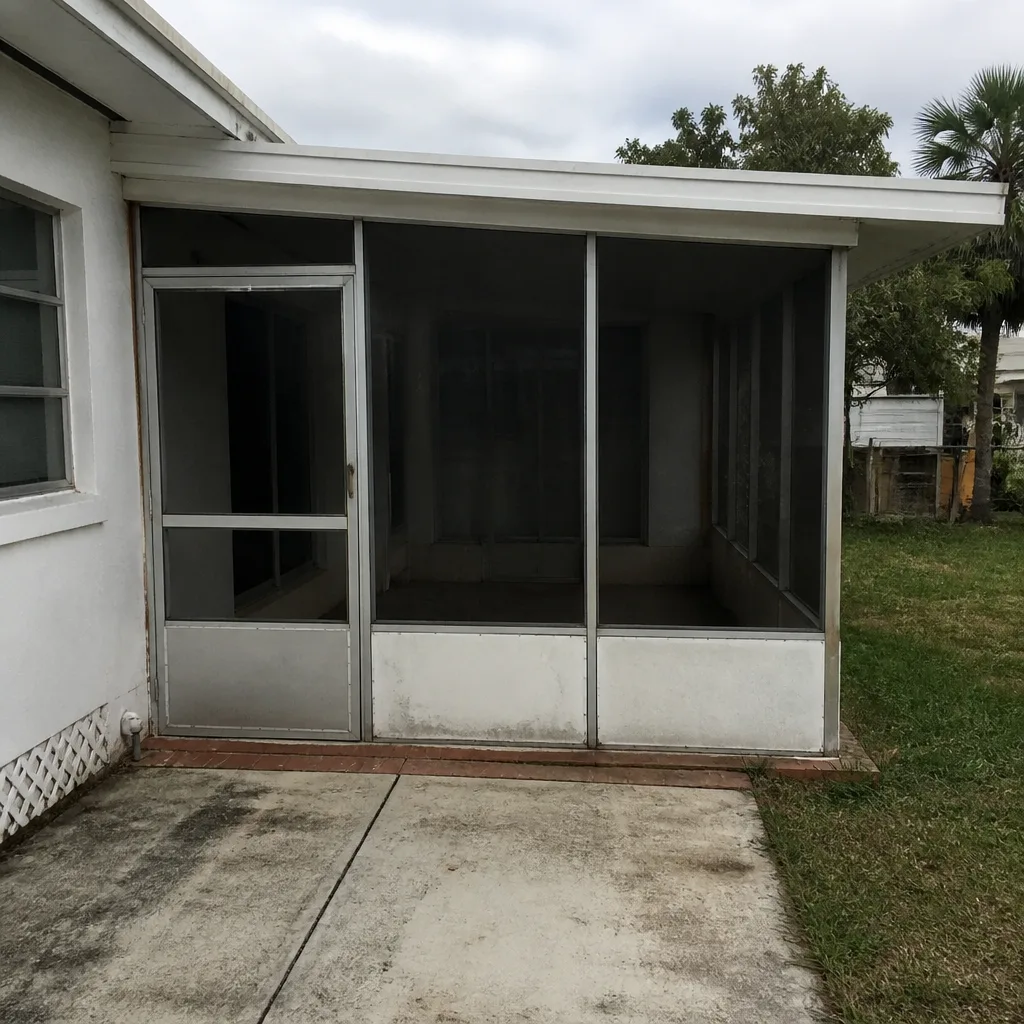 Before
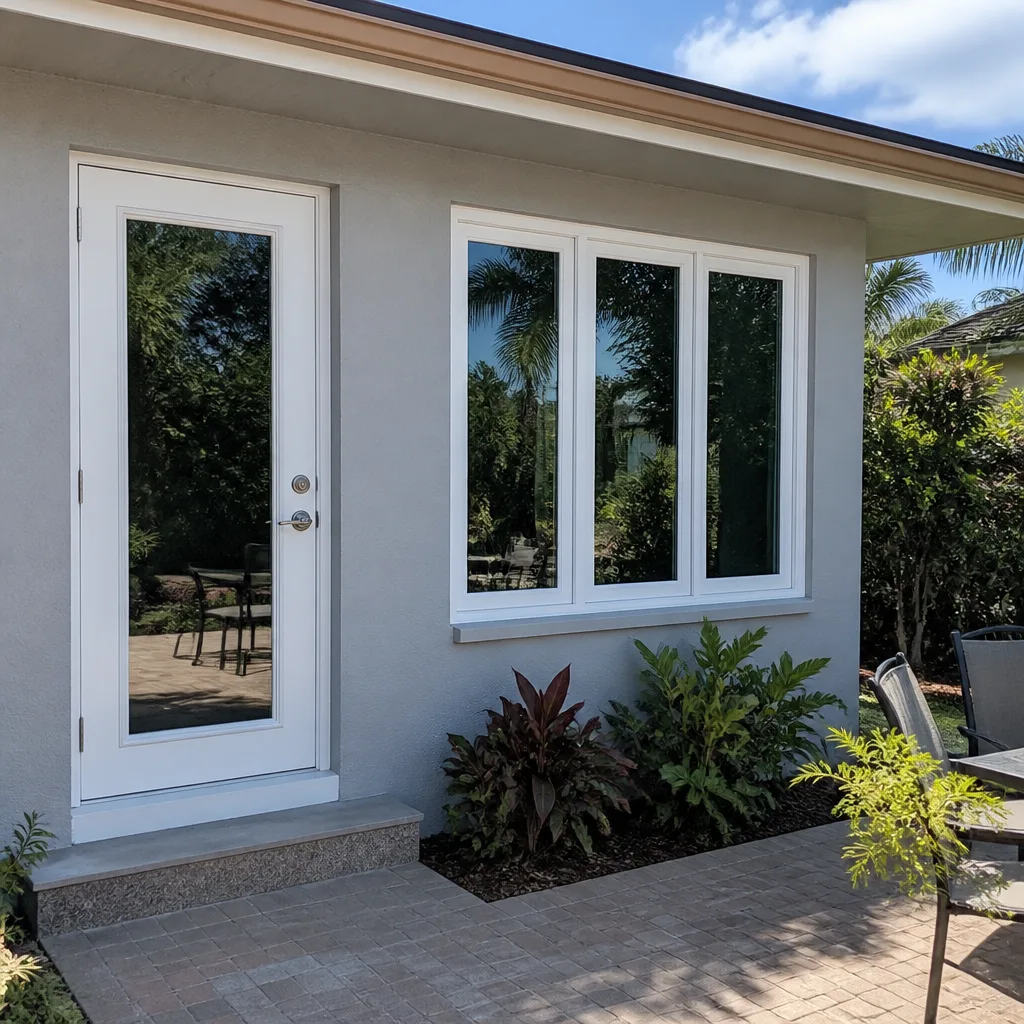 After
After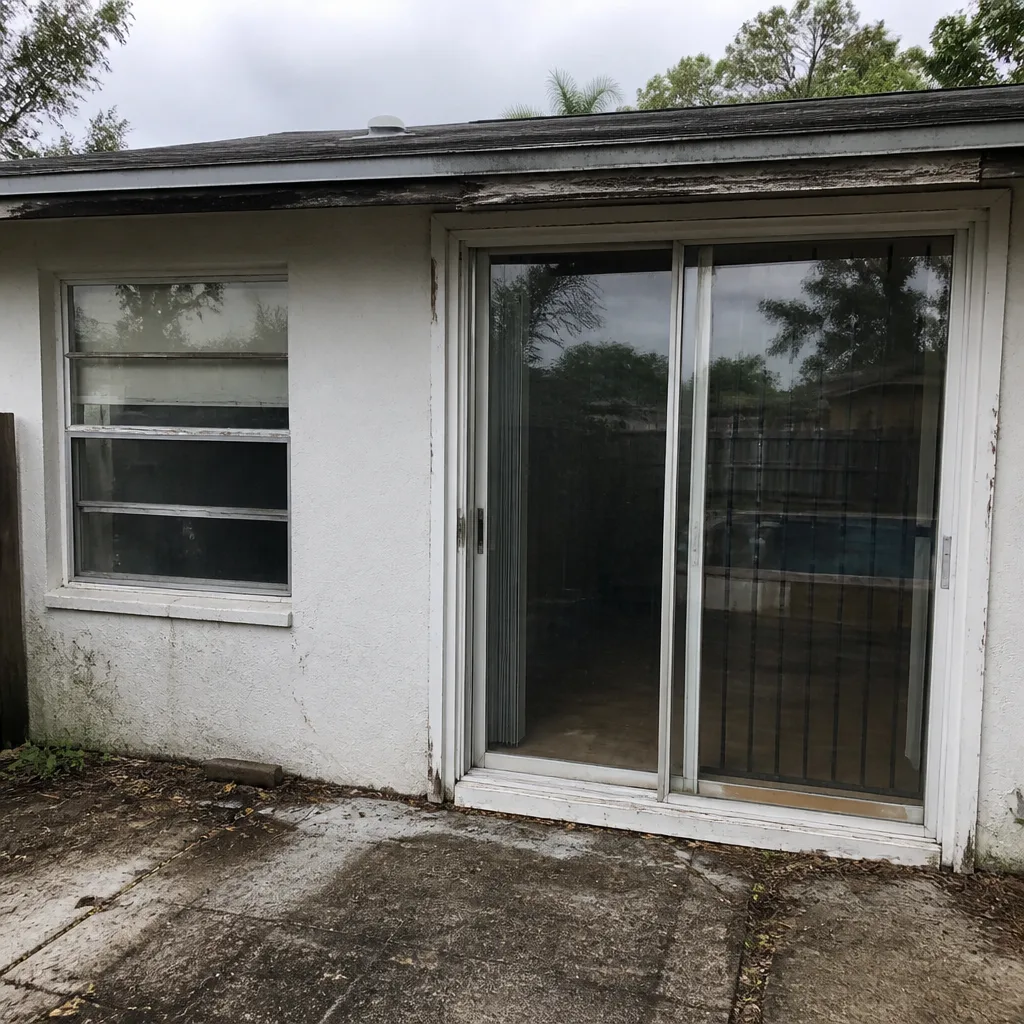 Before
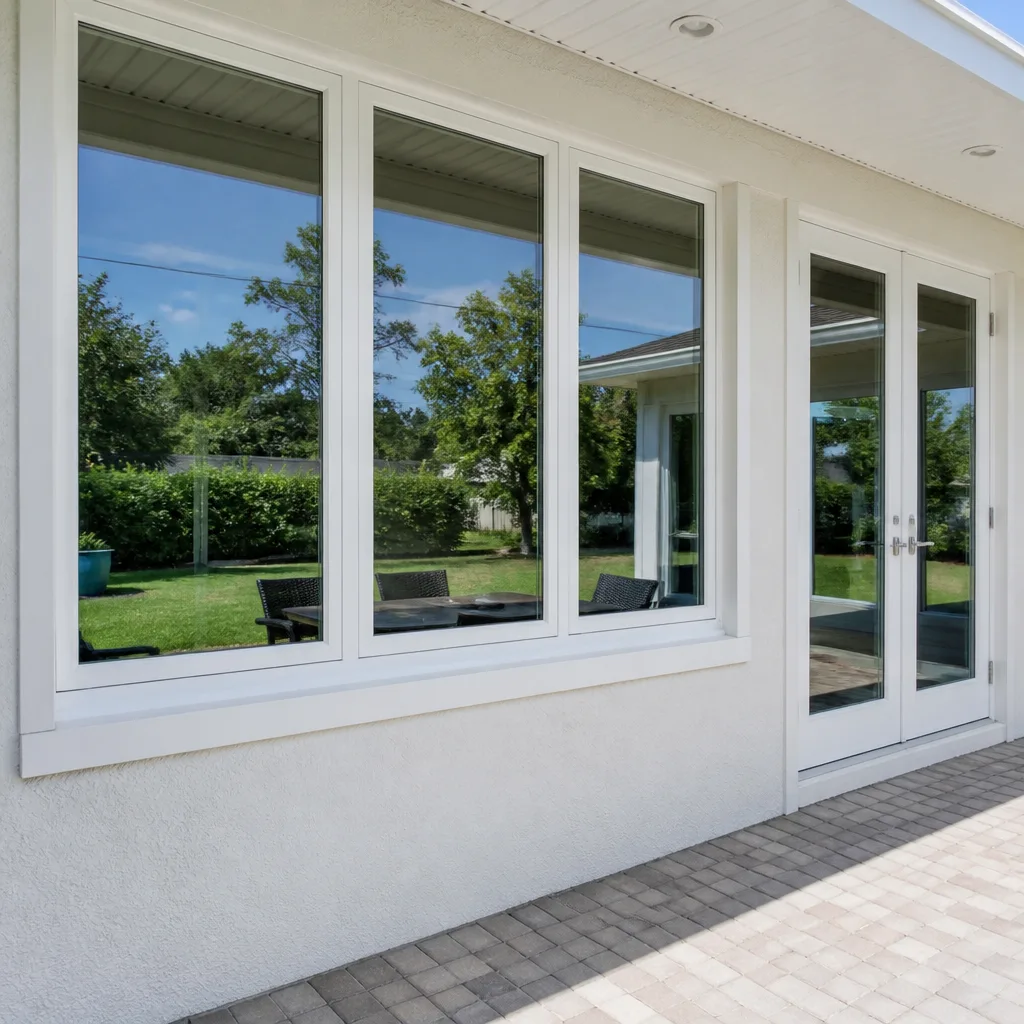 After
AfterWindows & Doors Permits, Codes & Inspections in FL: What You Need to Know
Most Florida homeowners assume the permit process for a window or door is a rubber stamp. Then a hurricane comes, or a sale falls through at the last minute, and they learn the truth the hard way. Florida has the most layered window and door permitting system in the country, because it fuses local jurisdictions, the Florida Building Code (now in its 8th Edition), and High Velocity Hurricane Zone product approval rules. Miss one step, and the homeowner – not just the contractor – can face the legal consequences. That includes voided insurance claims, six-figure fines from code enforcement, and a clouded title that blocks your closing. If you live in Mangonia Park or anywhere in Palm Beach County, this guide walks you through the entire permit chain in plain English, so you know exactly what to demand from any contractor who touches your home.
Quick Answer
In Florida, most window and door replacements – even swaps that keep the same opening size – require a permit from your local building department, and any impact or hurricane-rated product must carry a valid Notice of Acceptance (NOA). The permit is not optional, and the homeowner carries the legal exposure if it is skipped. In Mangonia Park and throughout Palm Beach County, you pull permits through the county’s Building Division, and the process typically takes 2 to 4 weeks depending on whether engineering review is triggered. At minimum, you need a permit application, product approvals, and two inspections: rough-in and final.
Table of Contents
- Why Florida Window and Door Permits Matter More Than Any Other State
- Simple Replacement vs. Structural Alteration: The Distinction That Triggers Engineering Review
- The Notice of Acceptance (NOA) Rule: Why the Product Must Match the Paperwork
- Florida Building Code 8th Edition: What Changed for Windows and Doors
- The Homeowner Exemption: What You Can Legally Self-Permit in Florida
- What Florida Inspectors Actually Check: Rough-In vs. Final Walkthrough
- How to Pull Your Own Permit History in Palm Beach County
- Mangonia Park Specifics: Wind Zones, Product Lines, and Local Jurisdiction
- Common Mistakes to Avoid
- When to Call a Professional
- Frequently Asked Questions
- The Bottom Line
Why Florida Window and Door Permits Matter More Than Any Other State
Florida is not Louisiana or Texas. It is not even close. The Florida Building Code (FBC) contains an entire chapter devoted exclusively to windows and doors – Chapter 16 covers structural design, Chapter 24 covers glass and glazing, and Chapter 17 covers the special inspections and product approval requirements. No other state has a High Velocity Hurricane Zone (HVHZ) designation that splits the state into two separate code books, with Miami-Dade and Broward County operating under stricter rules than the rest of Florida. Palm Beach County, including Mangonia Park, sits outside the HVHZ but still requires wind-borne debris protection in most new construction and replacement scenarios. That means impact windows, impact doors, or some form of shutter system is mandated by code in many parts of the county, not just recommended. If you replace a window in Mangonia Park without a permit, you are technically violating Florida Statute 553.79, which requires permits for any construction, alteration, or repair that affects a building’s structural integrity. Windows and doors always affect structural integrity, because they anchor into the building frame and create openings in the building envelope. The county can issue fines starting around $150 per day for unpermitted work, but that is the least of your problems. The real exposure is insurance. After Hurricane Ian, dozens of Florida homeowners saw claims denied because adjusters discovered unpermitted window replacements, then used the lack of a permit as evidence that the installation was defective. And when you go to sell the house, a title search will reveal the unpermitted work, which means you either pay to legalize it at closing or the buyer walks. That is the chain of consequences we are going to unpack in this guide, so when you hire someone in Mangonia Park, you know exactly what a legitimate window and door contractor should be doing for you.
We have been installing windows and doors in Winslow Windows & Doors home territory since 2011, and we have seen every variation of this story. The homeowner who saved $80 on a permit, then spent $6,400 on an engineer and a late-fine to retroactively legalize the work. The seller who lost a full-price offer because the buyer’s inspector caught an unpermitted sliding glass door. The insurance claimant who thought they had impact windows, only to learn the product had no NOA and therefore zero wind-borne debris protection under the policy. The permit is not bureaucracy. It is the paper trail that protects your biggest asset.
Simple Replacement vs. Structural Alteration: The Distinction That Triggers Engineering Review
The single most misunderstood part of Florida’s window and door permit process is the difference between a simple replacement and a structural alteration. For a deeper look at what to watch for, see our Windows & Doors Warning Signs: A Mangonia Park Homeowner’s Reference Guide. Most homeowners think replacing a window means removing the old one and putting in a new one. That is simple replacement. A structural alteration is when you change the size of the opening, remove or add mullions, change the header configuration, or alter the lintel above a door. In Palm Beach County, the distinction matters because structural alterations trigger mandatory engineering review, which means a Florida-licensed professional engineer must sign off on the new load path. A simple replacement does not automatically require an engineer’s seal, but it still requires a permit, and it still requires products that meet the current wind load requirements for your specific address.
Here is how the county classifies it. A simple window replacement means the new window is the same size as the old window, fits into the existing rough opening, and uses the same type of installation method (for example, a flanged window in a wood frame, or a bucked window in a concrete block wall). You still need a permit, and you still need product approvals. A structural alteration means the opening changes in any dimension, the header or lintel is modified, new structural support is added, or the installation method changes the load path. For example, if you are enlarging a window in a Mangonia Park concrete block home to accommodate a larger picture window, the building department will route the permit to an engineer for review. The engineer verifies that the new header can carry the load of the wall above, including wind uplift. The permit will not be issued until the engineer’s calculations are stamped and accepted. This review can add 1 to 3 weeks to your timeline, which is one reason why homeowners in Mangonia Park who want wider openings should start planning early.
One more distinction a lot of contractors gloss over is the difference between replacement and retrofit. A retrofit, sometimes called an insert or pocket window, installs inside the existing frame and does not disturb the stucco or exterior finish. In some Florida jurisdictions, retrofit windows have a slightly different approval path because they do not require re-flashing the surrounding wall assembly, but they still require the same NOA product approvals and the same final inspection. We can walk you through both full tear-out and retrofit windows, and the permit applications are nearly identical. Do not let anyone tell you a retrofit skips the permit. In Florida, it does not.
The Notice of Acceptance (NOA) Rule: Why the Product Must Match the Paperwork
Florida has a product approval system that is unique in the United States. Before a window, door, or impact product can legally be installed anywhere in the state, it must have a Notice of Acceptance – an NOA – issued by the Florida Building Commission, or a Florida Product Approval (FPA) number that serves the same function. The NOA is not a marketing document. It is a legally binding certification that ties a specific product, a specific manufacturer, a specific set of sizes and configurations, and a specific installation method to a tested level of wind pressure resistance. Here is the part that trips up even experienced contractors: the NOA includes an installation requirements page. If the window is installed in any way that deviates from that page – the wrong fastener, the wrong spacing, the wrong anchoring method, the wrong sealant type – the NOA is void. The permit is therefore void, even if the inspector passes the job. The inspector is checking compliance with code, but the inspector cannot verify every fastener and anchor without destructive testing. The legal responsibility for following the NOA falls on the contractor, but the financial and legal consequence of a void NOA falls on you, the homeowner.
We have seen this happen in Mangonia Park and throughout Palm Beach County too many times. A homeowner hires a company to install impact windows. The company shows up with a generic window that happens to look like an impact product. The permit application lists a valid NOA. The window that goes in the wall is not the window on the permit. The inspector signs off because the rough opening looks fine and the mullions are correctly spaced. Two years later, a hurricane tears the window out of the wall, because the fastener pattern did not match the NOA because the window itself was never the approved product. The homeowner files an insurance claim. The carrier’s forensic engineer pulls the permit, pulls the NOA, and finds the mismatch. Claim denied. That is not a hypothetical. That is the exact fact pattern in multiple Florida insurance disputes after every major storm since Andrew.
What does this mean for you in practice? Three things. First, verify the NOA before the job starts. Ask the contractor for the exact product approval number and look it up on the Florida Building Commission’s website. The product name on the NOA must match the product name on the invoice, the permit application, and the factory sticker on the window. Second, verify that the installation method described in the approved plans matches the NOA installation requirements. If the NOA calls for #10 fasteners at 6 inches on center, the contractor should not be using #8 fasteners at 12 inches on center. Third, keep a copy of the NOA in a file with your permit, your inspection sign-offs, and your product warranty. That file is your insurance policy’s best friend when the next storm comes. We use Window Installation in Mangonia Park practices that start with matching the product to the NOA before we ever cut the first opening, because Ed Winslow’s name is on the job, and we will not put a window in a home that we cannot stand behind under worst-case wind load.
Florida Building Code 8th Edition: What Changed for Windows and Doors
The Florida Building Code moved to the 8th Edition on December 31, 2023, with a six-month grace period that ended in mid-2024. If your window or door permit was issued after the transition, your project is governed by the 8th Edition, and there are specific changes that affect windows and doors directly. The most visible change for homeowners is the updating of wind speed maps. Florida divides the state into wind-borne debris regions and design pressure zones. Under the 8th Edition, many areas of Palm Beach County saw their design wind speeds increase or their exposure category tighten, which means the required window or door design pressure (DP rating) may be higher than it was under the 7th Edition. A window that was sufficient in 2020 may not be sufficient in 2025, because the code moved under it. This is why you cannot simply buy the cheapest window that says “impact rated” and assume it passes.
The 8th Edition also tightened the requirements for exterior doors in certain applications. New language clarifies when a door must be wind-borne debris protected versus when it must be impact resistant versus when it must simply meet a minimum design pressure. In Mangonia Park, where the majority of homes are concrete block construction built between 1960 and 1990, the same door product can have a different code requirement depending on whether it is the front entry, a rear door leading to a patio, or a garage access door. The permit reviewer checks the product approval against the specific wind load calculation for your exact address, not for your neighborhood in general. That is why a permit is not a mere formality. It is a site-specific engineering check.
Another 8th Edition change that affects Mangonia Park homeowners is the updated energy code requirements. The FBC references the Florida Energy Conservation Code, and under the 8th Edition, replacement windows must meet new U-factor and Solar Heat Gain Coefficient (SHGC) thresholds for climate zone 1 and 2, which cover all of South Florida. The practical outcome is that your new windows need not only to withstand hurricane wind loads but also to meet stricter thermal performance standards. That is a good thing for your electric bill, but it also means the cheapest window is no longer legal. We install Window Replacement in Mangonia Park products that carry both structural and thermal approvals, including lines from Mr-Glass and Therma-Tru, because we have seen too many homeowners discover after installation that their “bargain” window cannot pass a final inspection under the 8th Edition.
The Homeowner Exemption: What You Can Legally Self-Permit in Florida
Florida law lets a homeowner act as their own contractor for certain work on their own single-family residence, but that exemption is narrower than most people think, and it does not work the way internet forums describe it. Florida Statute 489.103(7) allows a homeowner to pull permits for work on their own home without a contractor’s license, provided the home is their primary residence, they physically perform the work themselves, and they do not rent or sell the property within one year after the work is completed. For windows and doors, this means a homeowner can theoretically pull a permit for a simple replacement and install the window themselves. The key word is theoretically.
The homeowner exemption does not exempt you from compliance. You still need to submit permit applications, pay fees, provide product approvals, and pass the same inspections a licensed contractor would face. In Palm Beach County, the building department will review your application with the same scrutiny, and you will be personally responsible for every code deficiency. The exemption also does not apply to structural alterations, which require a contractor’s license and often an engineer’s seal. If you want to enlarge a window opening, remove a wall segment, or alter a load-bearing header, you cannot self-permit that work under the homeowner exemption. You need a licensed contractor, and in most cases a Florida-licensed engineer. The exemption also does not apply to multifamily buildings, rental properties, or homes held in a trust or LLC, even if you live in the building. The property must be in your individual name, as your primary residence.
There is a further wrinkle specific to impact windows and doors. The homeowner exemption does not excuse you from the product approval requirement. You cannot install a no-name window from a big-box store, call it an impact window, and pass inspection simply because you used the homeowner exemption. The product must carry a valid NOA or FPA, and the installation must match the NOA. If you do not know how to properly anchor a flanged window into a concrete block wall in Mangonia Park, you are going to fail the rough-in inspection, and you are going to be out the cost of the window plus the labor to make it right. Most homeowners who self-permit a window replacement end up paying more than they would have paid a licensed contractor, because they learn the code on the job, at their own expense. Before you decide, read our DIY vs Professional Windows & Doors: The Mangonia Park Homeowner’s Decision Guide. Ed Winslow has been doing this since 2011, and our honest advice is this: if you are an experienced tradesperson with a thorough understanding of the FBC, the homeowner exemption is a legitimate path for a simple replacement. If you are not, the exemption is a landmine.
What Florida Inspectors Actually Check: Rough-In vs. Final Walkthrough
A Florida window or door permit typically requires two inspections: a rough-in inspection and a final inspection. The rough-in happens after the old window is removed and the new window is installed, but before the surrounding wall is closed up. The inspector is looking at the anchoring method, the fastener type and spacing, the shimming, the flashing, and the integration of the window with the water-resistive barrier. In a concrete block home in Mangonia Park, the rough-in inspection is critical because block construction does not allow the inspector to see the fasteners after the fact – once the stucco goes back on, you are not reopening that wall without significant cost. The inspector will check that the window is level and square, that the proper number and type of anchors are in place, that the sill is properly sloped or pan-flashed, and that the rough opening is correctly sized for the product. If the installer used the wrong fastener or the wrong anchor spacing, the inspector will fail the rough-in, and the contractor has to correct it before the wall can be closed.
The final inspection happens after the finished work is complete, including any stucco repair, caulking, and interior trim. The inspector is verifying that the product in the opening matches the product on the permit and the NOA, that the window or door operates correctly, that the locking hardware functions, that the emergency egress requirements are met (bedrooms must have a window large enough to escape through in a fire), and that the installation is weather-tight and code-compliant. The inspector signs off, and the permit is closed out. Here is what inspectors commonly miss – and this is the part that most homeowners never hear. A Florida building inspector is checking for visible code compliance. They are not verifying that every single anchor on the window matches the NOA installation diagram. They are not checking that the sealant bead is continuous around the perimeter. They are not verifying that the flashing tape is properly lapped at the corners. Those are the details that determine whether the window survives a Category 4 storm. That is the difference between a contractor who builds to the inspection and a contractor who builds to the NOA and the wind load calculation. We build to the NOA, because the inspector is not the one who has to live in the house after the storm. The homeowner is.
Here is the numbered checklist of what a thorough Florida final inspection covers, based on current FBC and Palm Beach County practice:
- Product verification: the serial number, product label, and NOA number on the installed window or door match the permit documents and the approved plans.
- Emergency egress: bedroom windows meet the minimum clear opening of 5.7 square feet, with a minimum 24-inch opening height and 20-inch opening width, and a sill height no higher than 44 inches from the floor.
- Impact protection: if the product is not impact-rated, the home must have approved shutter systems or panels, and the inspector verifies the shutter mounting system is installed per the shutter NOA.
- Flashing and weatherproofing: the rough opening is properly flashed, and the exterior finish is sealed to prevent water intrusion, with visible gaps corrected before final sign-off.
- Operation and hardware: windows open and close properly, locks engage, and doors latch correctly without sticking or binding.
- Wind load compliance: the product’s design pressure rating meets or exceeds the wind load calculation for the specific address, as shown on the approved permit documents.
How to Pull Your Own Permit History in Palm Beach County
Most homeowners never check their permit history until they are selling the house, and by then it is usually too late to fix anything without delaying the closing. Palm Beach County makes it easier than most Florida counties to pull a permit history on your own property, but you have to know where to look and what to search for. The county’s Building Division maintains an online permit search portal, and Mangonia Park addresses are searchable through the county system because the village does not operate its own independent building department. You can search by your property address, parcel control number (PCN), or the original permit number if you have it. The search returns every permit ever pulled on the property, including windows, doors, roofing, electrical, plumbing, and additions, along with the current status: issued, in progress, passed, failed, or closed.
Here is the step-by-step process to pull your own permit history in Palm Beach County:
- Find your parcel control number. It is on your property tax bill, and it is formatted as XX-XX-XX-XX-XX-XXXX-XXXX.
- Go to the Palm Beach County Building Division’s online permit search page and select “Search by Property.”
- Enter your address or PCN exactly as it appears on your tax bill, then run the search.
- Note every permit that appears. A closed permit is a completed permit. An open permit is still active, and any permit that shows “issued” but not “finaled” or “closed” is a problem.
- Check for any permits with a status of “expired” or “revoked.” An expired permit means the work may have been done without ever passing a final inspection, which means it is legally incomplete.
- If you find open, expired, or failed permits, call (561) 928-0302 and ask us to take a look. We are in Mangonia Park, and we can tell you in about ten minutes whether the existing work is likely to pass a re-inspection or whether it needs to be corrected.
One more thing about permit history that matters in Mangonia Park. Many homes in the village changed ownership in the last two decades, and many of those sales closed with unpermitted work that was never disclosed. The buyer discovers it only when they go to pull a permit for a new project, and the county refuses to issue the new permit because the old work is open. That is a common phone call we get: a homeowner who just bought a house, wants new Impact Windows in Mangonia Park, and learns that the previous owner’s unpermitted back door replacement is blocking the new permit. Pull your permit history before you buy, not after you close. The half-hour it takes is the cheapest insurance policy you will ever buy.
Mangonia Park Specifics: Wind Zones, Product Lines, and Local Jurisdiction
Mangonia Park sits in a specific code context that makes window and door decisions more consequential than a casual purchase. The village is in Palm Beach County’s wind-borne debris region, which means most replacement windows and doors must either be impact-rated or paired with an approved shutter system. The county’s wind speed map places Mangonia Park in roughly the 170 to 180 mph ultimate design wind speed range depending on the exact address and exposure category, which translates to required design pressure ratings that eliminate the cheapest products from consideration. A window that meets code in inland Georgia will not come close to meeting code in Mangonia Park. The product approval matters as much as the installation.
Because Mangonia Park is a small municipality within the county’s jurisdiction, the permit path is simplified in one way: you file with Palm Beach County, not with a village building department. That means the reviewers, inspectors, and processes are consistent across our service area. It also means the county has high volume, so applications take time and inspections are scheduled in windows rather than at precise times. If you are planning a window or door replacement in Mangonia Park during the late spring or summer peak – which is when most homeowners think about hurricane season – expect longer review times and busier inspection routes. Planning your project for the fall or early winter gives you more scheduling flexibility.
On the product side, what gets installed in Mangonia Park matters because of the salt air and the hurricane exposure. The village is inland enough that corrosion is less aggressive than oceanfront, but it is still a coastal environment by code standards. Impact windows from ECO Window Systems carry the structural approvals and corrosion-resistant frame options that make sense for this market, and Therma-Tru door products cover the entry systems that meet the wind and thermal requirements. The right product for a Mangonia Park home is impact-rated or paired with shutters, thermally efficient enough to handle the South Florida humidity and heat, and installed exactly per the NOA. That is what we do, and it is what your permit documents should show.
Common Mistakes to Avoid
- Skipping the permit entirely. The savings are usually a few hundred dollars. The downside is a clouded title, a denied insurance claim, and the possibility of fines. In Florida, the permit is not optional, and the homeowner carries the permanent exposure.
- Assuming the contractor pulled the permit when they did not. We have met too many Mangonia Park homeowners who paid a contractor for a permitted job, then discovered years later that no permit was ever filed. Always ask for the permit number and verify it online before the work starts.
- Installing a window that does not match the NOA. A window with an impact label but no valid Florida NOA is not a legal impact window. The label means nothing without the NOA tying that specific product to a tested installation method.
- Not checking for open permits before buying a home. An open permit from a previous owner will block your new permits and can delay your closing by months. Pull the permit history before you sign, not after.
- Using the homeowner exemption for work you are not qualified to do. The exemption removes the contractor requirement, not the code compliance requirement. If you cannot verify the fastener pattern against the NOA in a concrete block wall, you should not be self-permitting.
- Confusing a simple replacement with a structural alteration. Changing the opening size, removing mullions, or altering the header triggers engineering review. Doing that work without the engineer’s sign-off voids the permit, even if it passes inspection.
- Buying the cheapest window that is “impact rated” without checking the design pressure. The DP rating must match your specific address’s wind load calculation. A window that passes in an inland county may fail the calculation for Mangonia Park.
When to Call a Professional
If your window or door project involves any of the following, do not self-permit and do not hire a handyman: changing the opening size, removing or altering a header, installing impact products that must match a NOA, replacing windows in a concrete block structure where the anchoring method is structural, or fixing work that was previously unpermitted and needs to be brought into compliance. These situations carry engineering risk, legal exposure, and insurance implications that a professional contractor handles as a matter of routine. We have been working in Mangonia Park and Palm Beach County since 2011, and much of our work comes from fixing installations that went wrong because someone skipped the permit, ignored the NOA, or under-scoped the wind load. Winslow Windows & Doors offers free estimates in Mangonia Park – call (561) 928-0302. A real person answers, and you will get a straight answer about what your project actually requires.
Frequently Asked Questions
Yes. Under Florida Statute 553.79, window and door replacements require a permit in essentially every jurisdiction in the state, including Mangonia Park and all of Palm Beach County, even when the new window is the same size as the old one. The permit verifies code compliance, product approval, and wind load adequacy. Skipping it exposes you to fines, insurance claim denials, and title issues at closing. Call (561) 928-0302 if you are unsure whether your project needs a permit – the answer is almost always yes, and we will help you understand the specific path.
Palm Beach County permit fees for window and door replacements typically run in the range of $150 to $600 depending on the number of openings, the valuation of the work, and whether the project triggers engineering review. The engineering stamp, if required, commonly adds $1,000 to $3,000. The county calculates the exact fee at application intake. For an exact number on your specific project in Mangonia Park, call (561) 928-0302 and we will walk you through the current fee schedule and the complete application package.
An NOA, or Notice of Acceptance, is Florida’s legal certification that a specific window or door product, from a specific manufacturer, in specific sizes and configurations, installed using a specific method, has passed hurricane wind load testing. The NOA must be referenced in your permit application, and the installed product must match the NOA exactly. If the product or the installation deviates from the NOA, your permit is legally void even if the inspector signs off. We match every Mangonia Park installation to the NOA before we ever cut an opening, because that document is what protects your insurance claim when the storm comes.
In limited cases, yes. The homeowner exemption in Florida Statute 489.103(7) allows a homeowner to pull a permit and install windows on their own primary residence, but only if they physically perform the work themselves, the property is in their own name and not held in a trust or LLC, and they do not sell or rent the home within one year of completion. The exemption does not relieve you of code compliance, product approval requirements, or passing inspections, and it does not apply to structural alterations. For most homeowners, the exemption creates more risk than it removes.
The unpermitted work becomes your problem the moment you own the house. You can be subject to code enforcement fines, your insurance company can deny a future claim arising from the window, and your ability to sell the property can be blocked because the title search reveals the unpermitted alteration. The fix is to have the work evaluated by a licensed contractor, corrected to current code, permitted retroactively if possible, and inspected. Pulling your permit history before you buy in Mangonia Park prevents this entire scenario.
A simple replacement permit in Palm Beach County typically takes 1 to 3 weeks from application to issuance, not including engineering review. A structural alteration that requires an engineer’s seal commonly adds 1 to 3 weeks to the process. Once the permit is issued, scheduling the rough-in and final inspections adds a few more days to a week, depending on the county’s inspection backlog. In practice, a straightforward Mangonia Park window replacement takes about 4 to 6 weeks from application to final sign-off. Plan accordingly, especially during peak hurricane-season demand. For a specific timeline on your project, call (561) 928-0302 – estimates are free.
The Bottom Line
Florida’s window and door permit process is the most layered in the country, and in Mangonia Park it carries extra weight because of wind-borne debris requirements, NOA matching, and Palm Beach County’s specific review process. The permit is not a formality. It is the legal and insurance protection that separates a secure home from a denied claim and a blocked sale. The homeowner carries the ultimate exposure for any missed step, so the contractor you choose matters as much as the products you pick. Ed Winslow has owned and operated Winslow Windows & Doors in this community since 2011, and our Done Right Promise means the job is right the first time, or we make it right. The one down the road. Call (561) 928-0302 for a free estimate. A neighbor will answer.
Written by Ed Winslow, Owner at Winslow Windows & Doors, serving Mangonia Park since 2011.
Six Reasons Homeowners Choose Winslow Windows & Doors
Impact systems engineered to design pressures up to +/-100, matched to your wind zone - your openings hold when the storm arrives.
Low-E insulated impact glass from our manufacturer lines commonly cuts monthly cooling bills 20-30%.
Laminated impact glass shuts out up to 40% of outside noise - traffic, neighbors, weather.
Monitoring services run $30-90 a month. Laminated impact glass resists forced entry around the clock, with no subscription.
Florida homeowners average around 25% savings on the windstorm portion of their policy after protecting every opening - some homes qualify for more.
A full impact package upgrades curb appeal, buyer confidence and appraised value in one project.