
Last updated August 27, 2026
Free in-home measure and quote - PGT, CGI and CWS impact lines compared on your actual openings, style by style
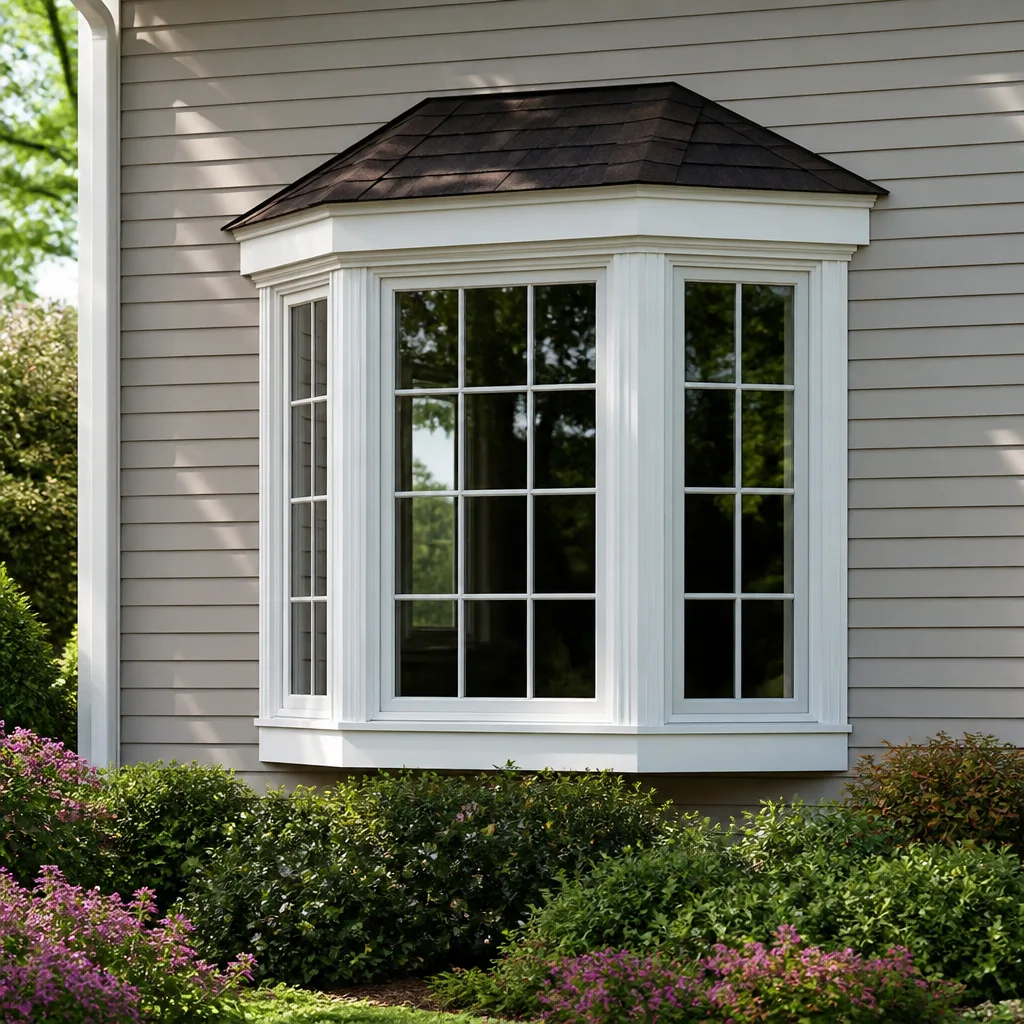
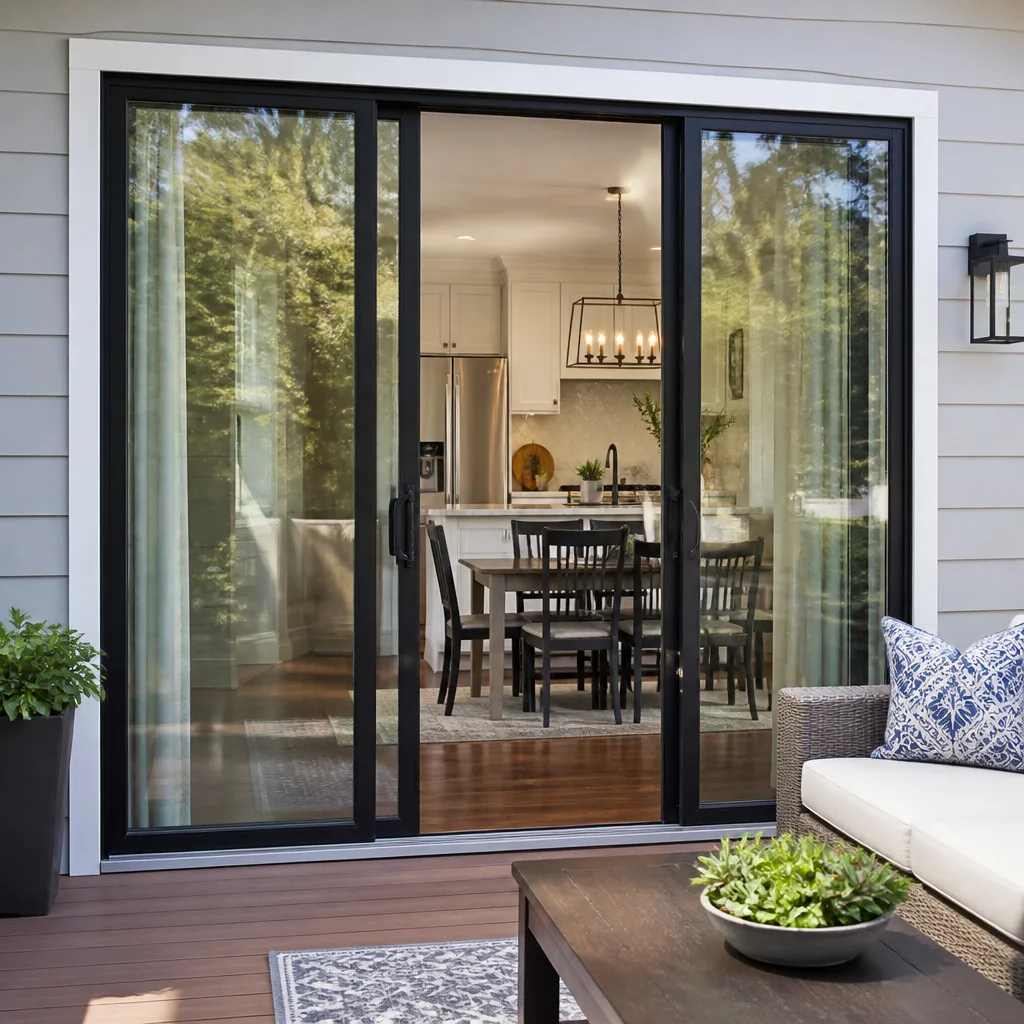
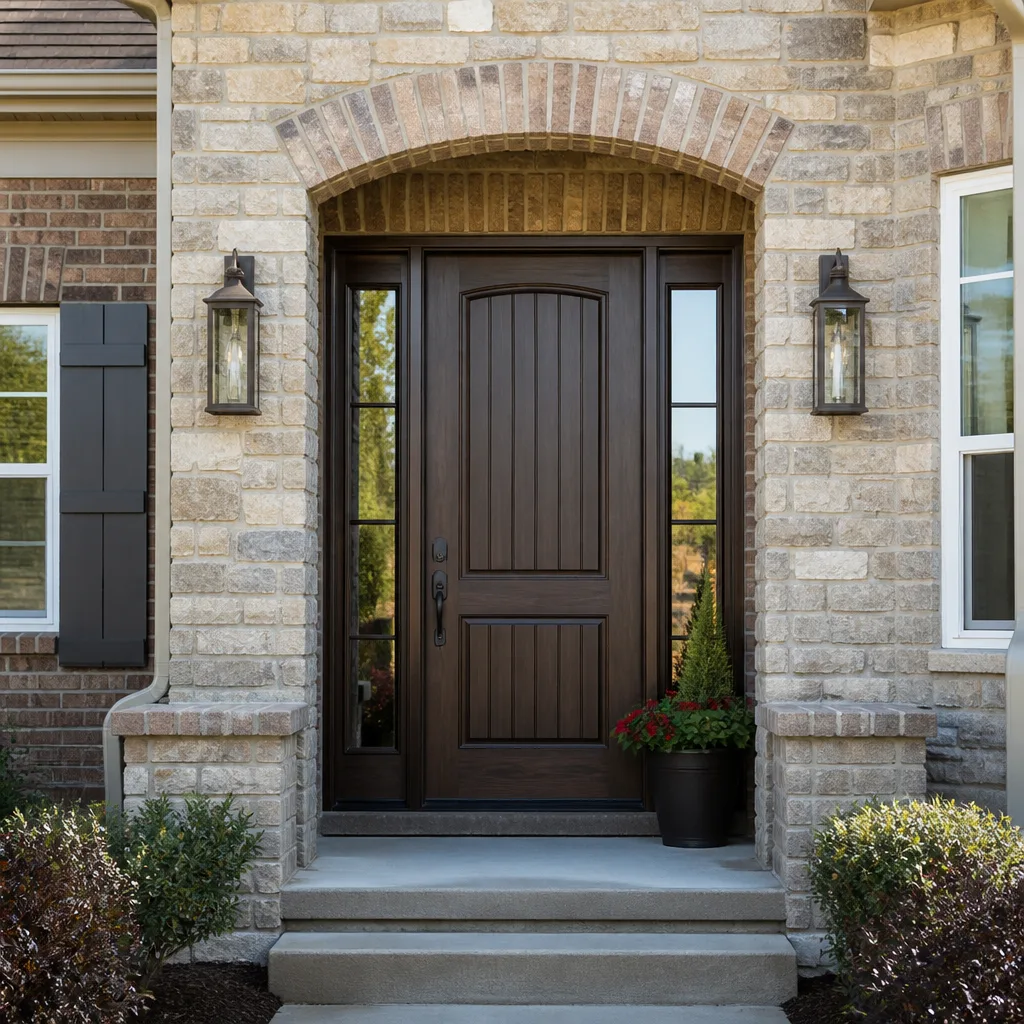
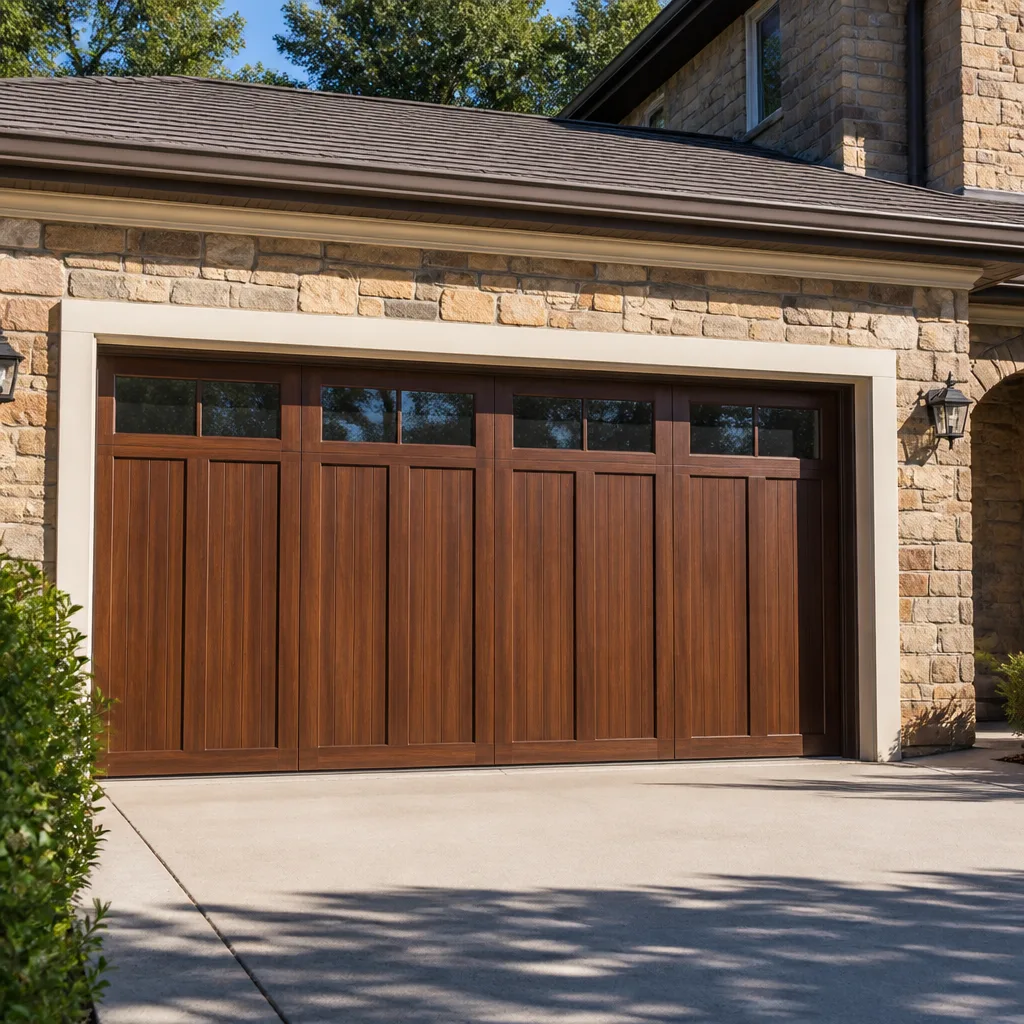
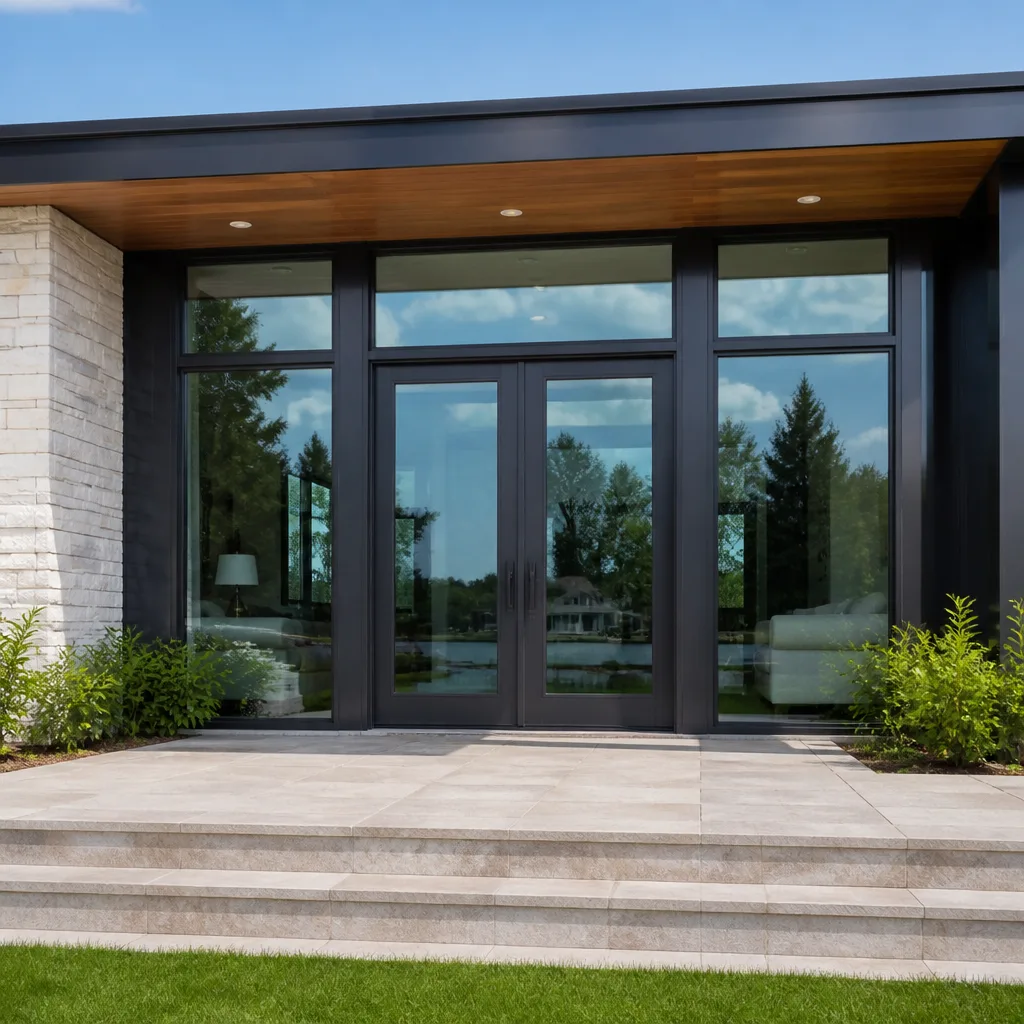
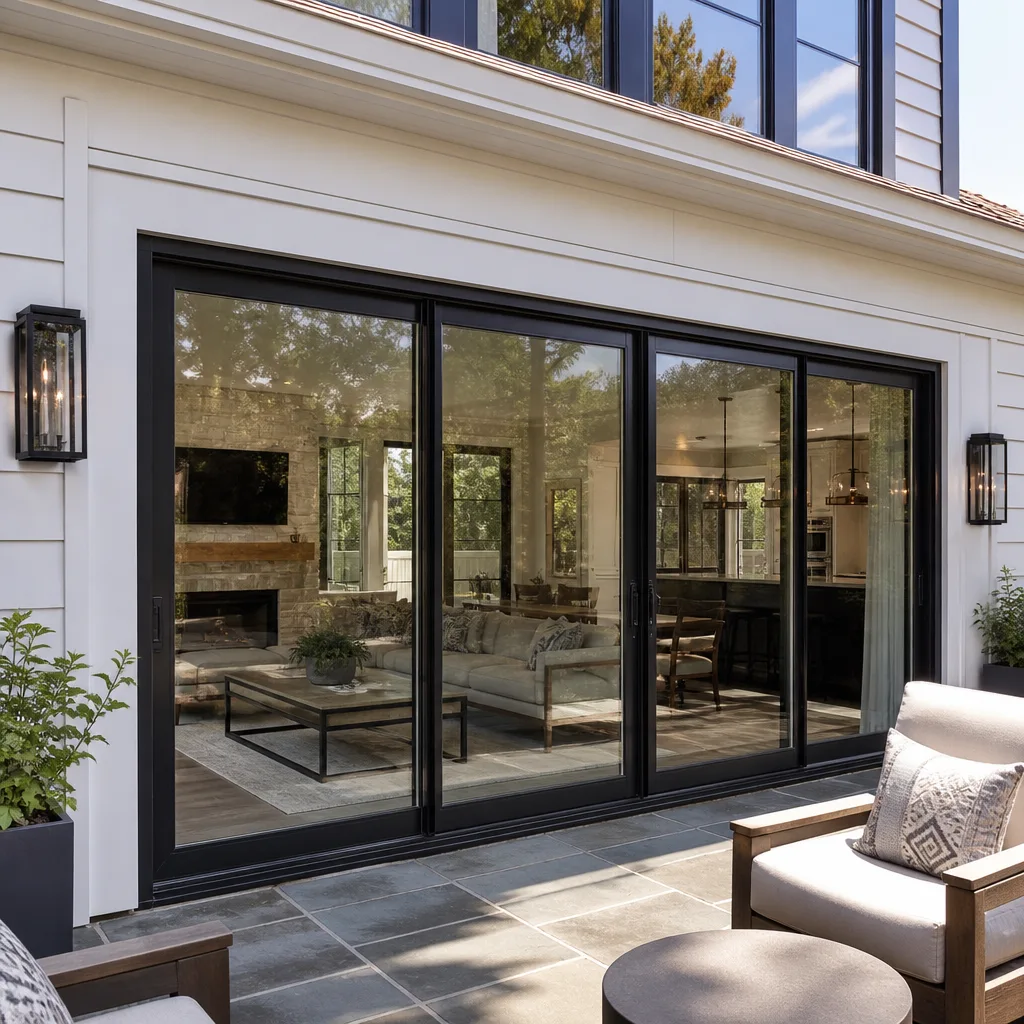
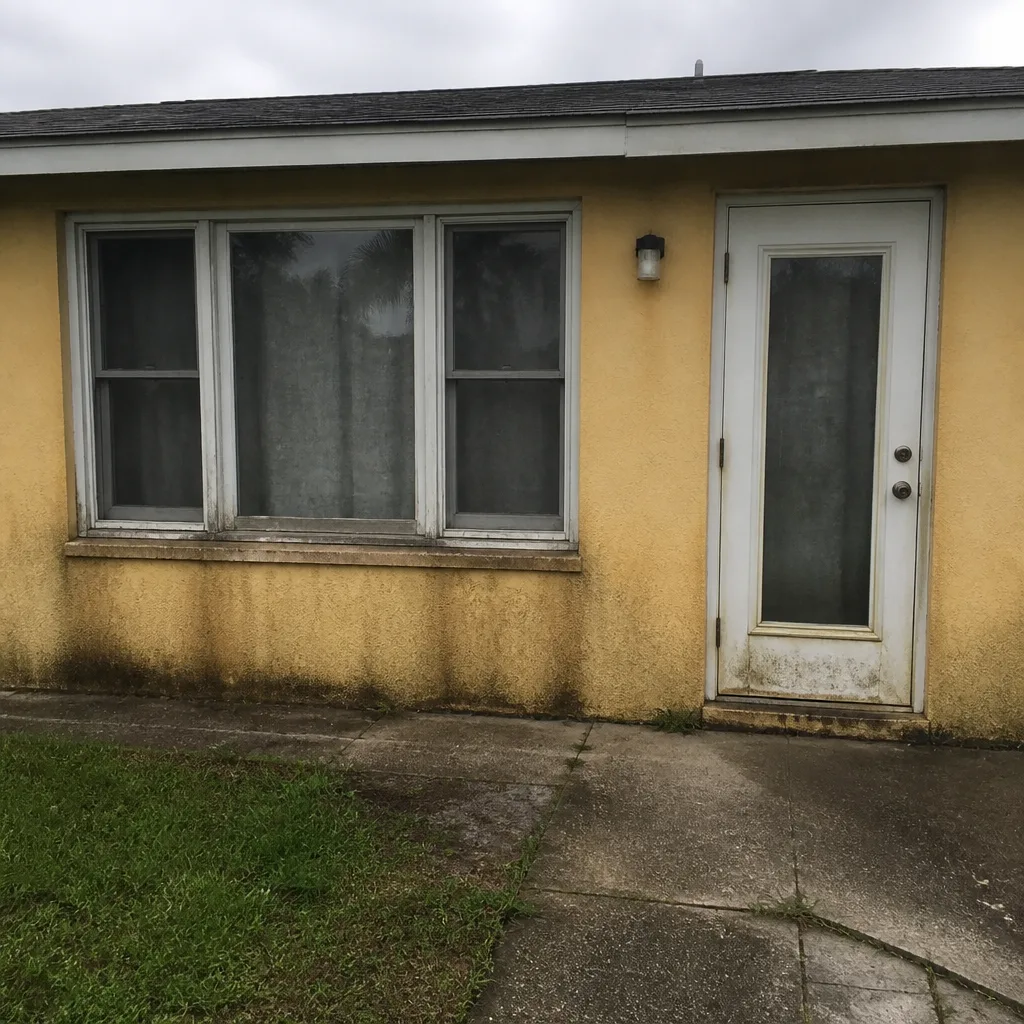 Before
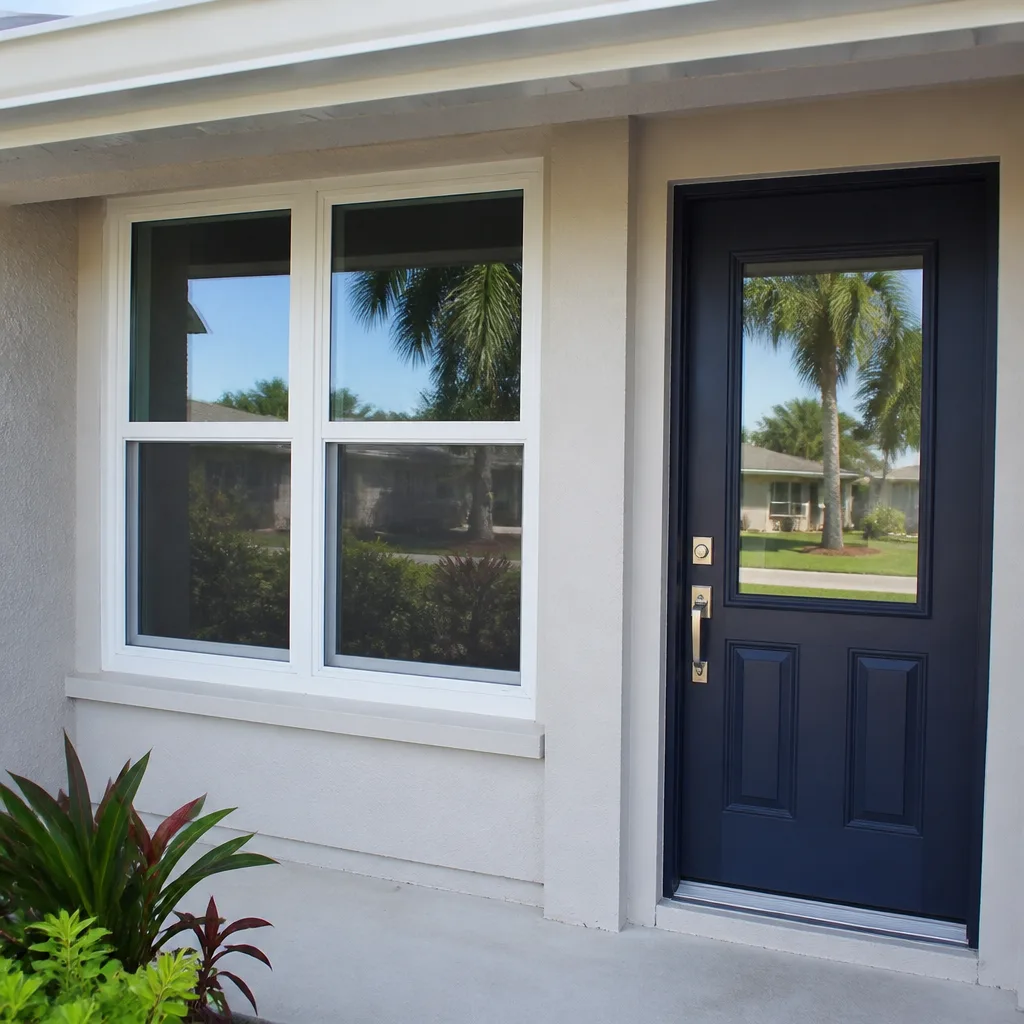 After
After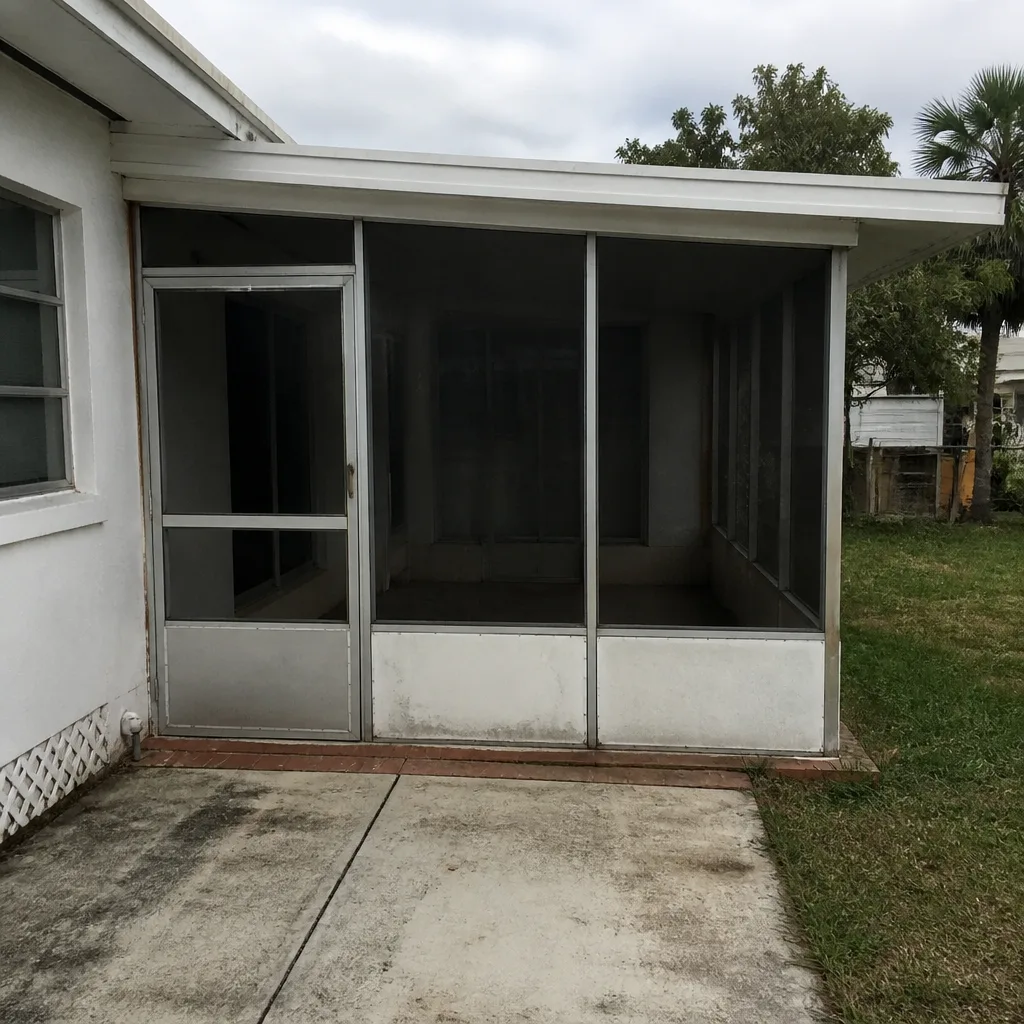 Before
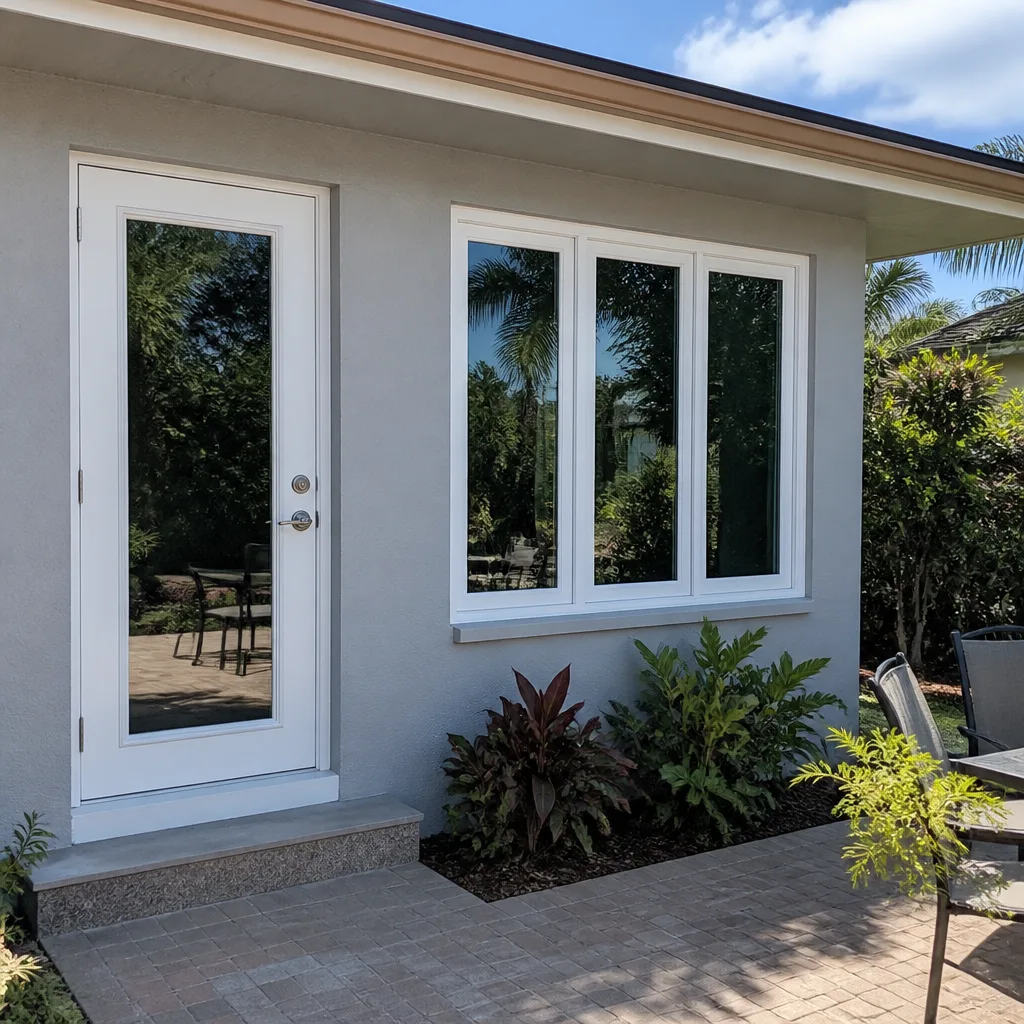 After
After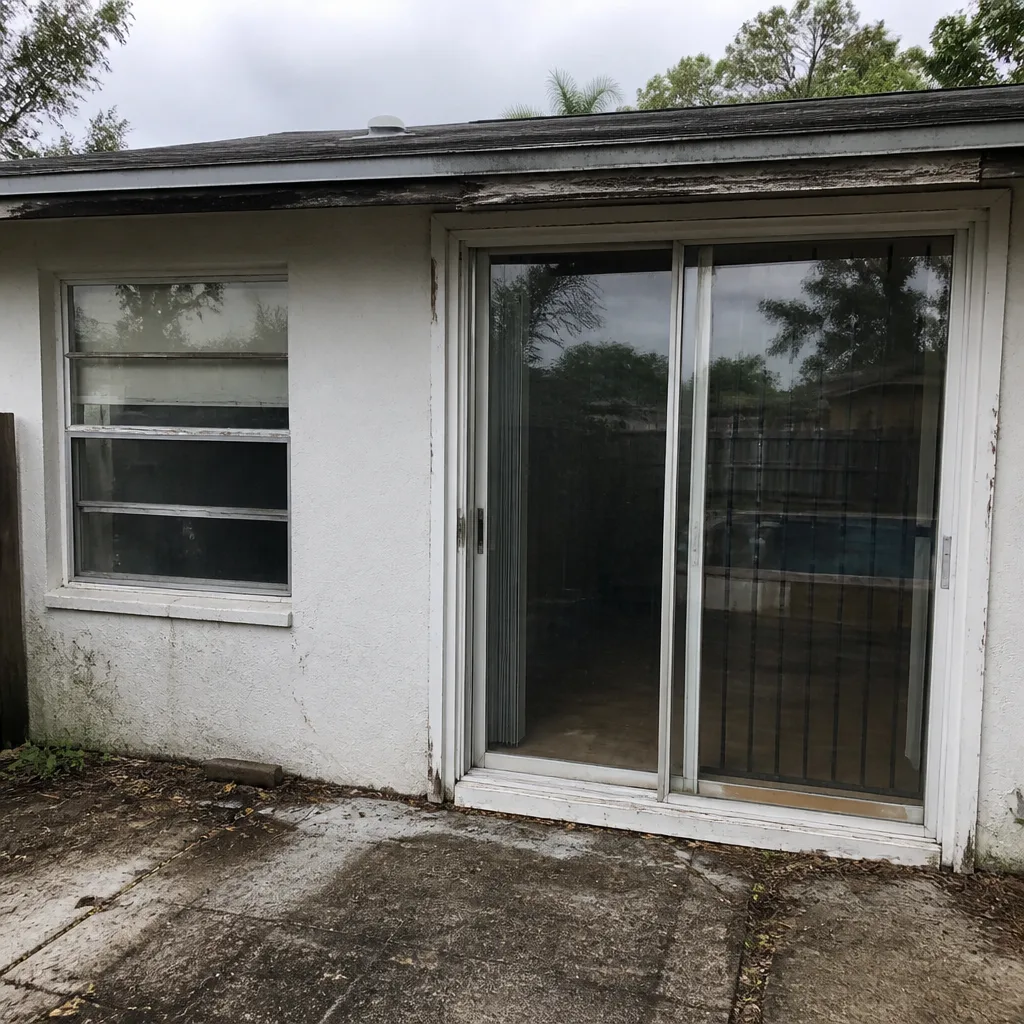 Before
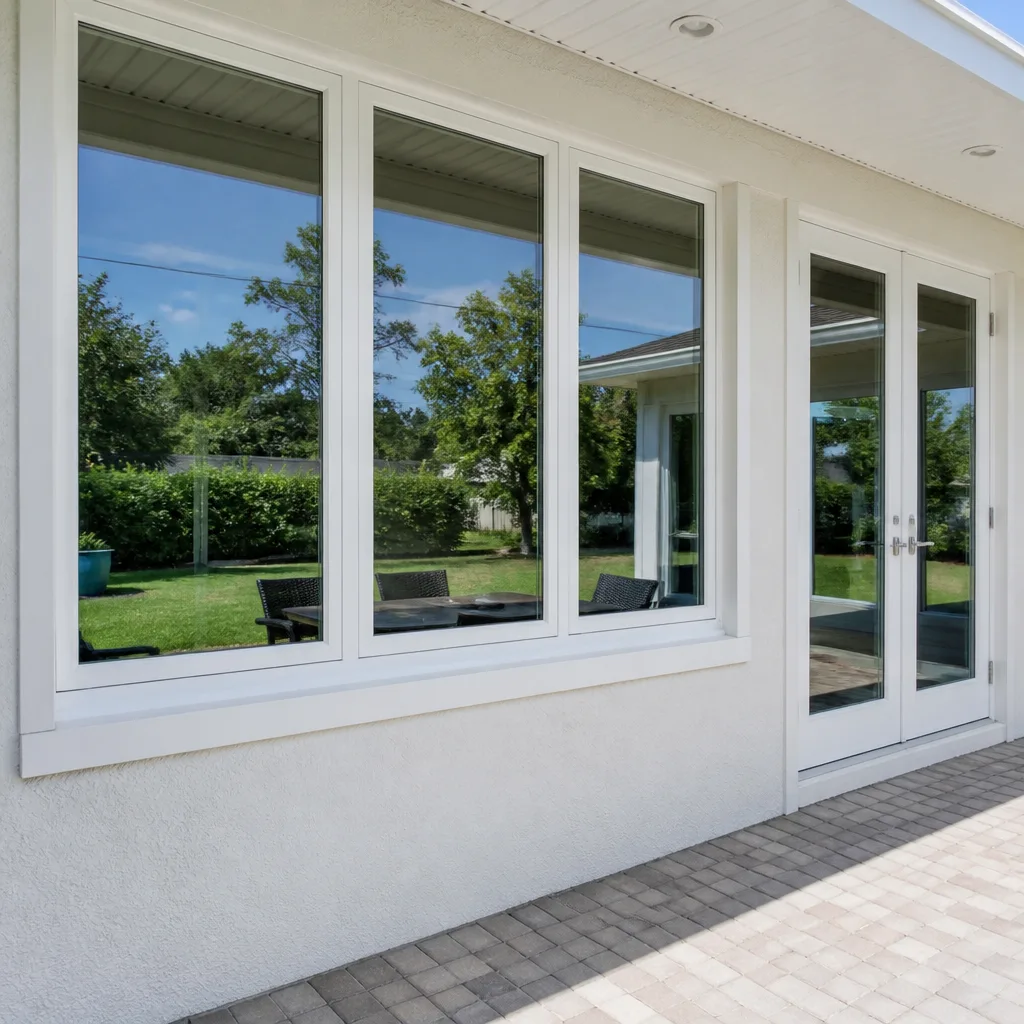 After
AfterWindows & Doors Warning Signs: A Mangonia Park Homeowner’s Reference Guide
A window that feels fine in January can be structurally compromised by August. Mangonia Park’s summer heat-humidity cycle runs failure tests on your frames and seals that northern climates never impose, and most symptom-identification guides you’ll find online were written for homeowners in Ohio or Michigan dealing with freeze-thaw damage. They’re reading the wrong signals. This guide teaches you to read the right ones: the specific ways heat, humidity, salt air, and hurricane-load cycling break down windows and doors in Mangonia Park, and what each warning sign actually means for your home.
Quick Answer
The most common window and door warning signs in Mangonia Park are: visible frame chalking that has progressed past surface oxidation into pitting or cracking, doors that stick or won’t latch squarely in summer, fogging or hazing between impact-glass laminate layers, condensation trapped inside insulated glass units, soft or crumbling caulk lines, and water staining that appears below window corners after heavy rain. Any one of these means the component is no longer protecting your home the way it should, and in a coastal Florida climate, delayed repairs almost always get more expensive.
Table of Contents
- Frame Chalking: Cosmetic Oxidation vs. Structural Failure
- Why Doors Stick in Summer: Humidity Expansion vs. Foundation Settlement
- Impact-Glass Delamination: The Hidden Compliance Problem
- The Sound Signatures of a Failing Multi-Point Lock
- Water Intrusion Patterns: Roof-to-Frame Leaks vs. Failed Glazing
- Seal Failure and Condensation: Reading the Fog
- Hurricane-Load Cycling: The Damage You Can’t See
- When to Call a Professional
Frame Chalking: Cosmetic Oxidation vs. Structural Failure
Frame chalking is the chalky white residue that appears on aluminum window frames after years of UV exposure. In Mangonia Park, where the sun beats down roughly 230 days a year, chalking shows up faster than in most of the country, and reading it correctly is the difference between a cosmetic annoyance and an urgent replacement.
Here’s how to tell the difference:
Cosmetic chalking is a uniform, powdery white film. Rub it with your finger and it comes off like chalk dust. The frame underneath is smooth. The glass is still seated tightly. The window operates normally. This is normal UV oxidation of the paint or powder coat, and it means nothing structurally wrong is happening. You can live with it for years, though the frame is losing its aesthetic finish.
Structural frame degradation looks different. Instead of a uniform film, you’ll see pitting, small craters, flaking, or places where the metal itself appears rough or corroded. In severe cases, the frame corners begin to separate. You may see a fine white crust accumulating at the joints where two frame pieces meet, which signals galvanic corrosion, not just oxidation. In coastal air like Mangonia Park’s (the Intracoastal is less than two miles from most homes here), salt accelerates this process substantially.
Why it matters: a structurally degraded frame no longer holds the glass securely. The thermal expansion and contraction of Mangonia Park’s summer days (90-plus degrees) followed by sudden afternoon downpours puts constant flexing stress on weakened aluminum. Eventually, the frame pulls away from the glass and water enters the wall cavity unseen. If you see pitting or joint separation, the frame is failing, and the fix is replacement, not painting.
We regularly replace frames in Mangonia Park homes where homeowners assumed the chalking was cosmetic and only discovered the structural corrosion after a storm pushed water behind the siding. The earlier you catch it, the more likely a straightforward window replacement solves it without wall repair.
Why Doors Stick in Summer: Humidity Expansion vs. Foundation Settlement
A door that sticks in summer in Mangonia Park is often dismissed as “just humidity.” Sometimes that’s exactly what it is. Other times it’s the earliest warning sign of foundation movement or frame settlement, and confusing the two means missing the window (or door) of opportunity to address a structural issue before it becomes a structural emergency.
Humidity expansion follows a predictable pattern. The door sticks during the rainy season (roughly May through October in Mangonia Park), releases during dry winter months, and the sticking is minor: the door drags slightly at the top or latch edge, but it opens and closes with modest effort. You may notice slight paint rub at the contact point. The frame itself remains square. The gap between the door and its jamb is consistent on all three sides when the door is closed.
Settlement or foundation movement shows different symptoms:
- The sticking is constant regardless of season, or it gets progressively worse each year rather than cycling.
- The door won’t latch properly: the strike plate and latch bolt no longer align, which means the door has moved relative to its frame.
- You see a gap at the top of the door on the hinge side but none on the latch side, or vice versa, indicating the frame itself is out of square.
- Diagonal cracks appear in nearby drywall or stucco, or the floor near the doorway shows a visible slope.
- Multiple doors in the same area stick, not just one.
The good news is that most sticking doors in Mangonia Park are humidity-related and respond to minor plane adjustment or hinge tightening. The responsible thing is to check for the settlement signs above before assuming that’s all it is. If you’re seeing constant sticking plus any of the other indicators, the door issue is secondary: your foundation or frame structure is the primary issue, and you want a professional to evaluate the opening before replacing the door. See our guide on DIY vs Professional Windows & Doors: The Mangonia Park Homeowner’s Decision Guide to help decide when expert help is warranted. Replacing a door in a moving opening just transfers the problem to the new door.
Impact-Glass Delamination: The Hidden Compliance Problem
If your Mangonia Park home has impact windows, you’re protected by a laminate interlayer sandwiched between two panes of glass. That interlayer, typically PVB or SGP, is what holds the glass together when a hurricane-borne projectile hits it. Delamination is what happens when that interlayer begins to separate from the glass, and it’s a bigger problem in South Florida than almost anywhere else because heat and humidity accelerate the chemical breakdown.
Visible fogging is the late-stage indicator. By the time you see a milky haze between the glass layers, the delamination is advanced and the window’s impact rating is compromised. But there are earlier signals:
- Edge inspection: Look closely at the glass edges where they meet the frame. Early delamination often appears as a thin, silvery or cloudy line at the perimeter of the glass unit, moving inward.
- Subtle distortion: On bright days, look at the window at a sharp angle. Delaminating interlayers can cause faint visual warping or a slightly wavy reflection that’s not present on nearby windows.
- Interior bubbles: Tiny air pockets that appear frozen inside the glass, rather than on the surface, signal the interlayer is pulling away in discrete spots. These show up before clouding spreads across the whole pane.
- Temperature differential: If one impact window feels noticeably hotter on the interior side than neighboring impact windows under the same sun exposure, the laminate may be failing and losing its heat-rejection properties.
Why this matters for Mangonia Park homeowners specifically: HVHZ (High Velocity Hurricane Zone) compliance applies in Palm Beach County, and a delaminated impact window is not performing to its rating. If a storm hits and the window fails, the pressure change inside your home can trigger a structural chain reaction far more destructive than the original broken window. Impact windows are a safety system, not an accessory, and system components that are failing should be replaced before they’re tested.
We install impact-rated products from brands like PGT and Mr-Glass specifically engineered for the HVHZ conditions Mangonia Park demands. If you suspect delamination, the fix is replacement, not repair, because the laminate failure is inside the sealed glass unit.
The Sound Signatures of a Failing Multi-Point Lock
Multi-point locking systems on modern doors engage at three or more points along the door edge, and they wear out in predictable, audible ways. Learning to interpret the sounds tells you whether you need a lubricant or a new lock mechanism, and for Mangonia Park homeowners, that distinction can save real money and a potential security gap.
A lock that needs lubrication sounds like a high-pitched scrape or a squeal when you lift the handle, or a soft grinding as the rollers and hooks move through their channels. The resistance is consistent: same feeling every time, no matter the temperature or humidity. The door latches solidly once the mechanism is engaged. A silicone-based lubricant applied to the moving components usually restores smooth operation in minutes.
A failing multi-point lock sounds different:
- A popping or snapping when the handle is lifted suggests one or more hook bolts are not seating properly, often because internal springs are wearing out. This is common on doors exposed to Mangonia Park’s salt air, which corrodes internal spring components even when the exterior looks fine.
- A hollow rattle inside the door when it’s closed and locked means the linkage rods that connect the locking points have loosened. The door may still latch, but the security points are not fully engaging.
- Metallic grinding that doesn’t resolve with lubrication, or a sound like rocks in a tumbler when the handle moves, usually means internal components have come loose or broken.
- A change in resistance: the handle suddenly lifts much more easily than before, or much harder. Any abrupt change means something inside has shifted or failed.
The security implication is straightforward: a door with a failing multi-point lock is no longer secured at all three points, which means an intruder only needs to defeat a single latch. For a Mangonia Park homeowner who relies on that door as part of their hurricane and security envelope, that’s not acceptable. Therma-Tru doors, which we install regularly, use robust multi-point hardware, but even quality hardware wears out in coastal conditions over a decade or more of daily use.
Water Intrusion Patterns: Roof-to-Frame Leaks vs. Failed Glazing
Water staining inside your Mangonia Park home tells a story, and where the stain appears on the wall tells you where the water entered. Misdiagnosing the entry point is the most common mistake we see, and it leads to paying for the wrong repair.
Failed window glazing or caulk presents in a specific pattern. The stain appears directly below the window corner, often as a teardrop-shaped watermark running down the interior wall or staining the drywall under the window sill. It appears after heavy rain, not after light rain, and it’s typically more pronounced after wind-driven storms, which push water against the window’s exterior face with force. The stain is localized; it doesn’t travel across the ceiling or appear elsewhere in the room. The caulk around the window exterior is usually visibly cracked, shrunken, or missing.
Roof-to-frame leaks behave differently. Water from the roof travels down inside the wall cavity, following framing members until gravity pulls it out at a horizontal surface, often a window header. The staining appears above the window, not below it, and may also show on the ceiling near the wall. It’s often less localized: you’ll see staining around the width of the window or spreading outward from the top corners. This water often enters at the roof-wall intersection, a flashing detail, or a soffit, not at the window itself.
In Mangonia Park, where heavy afternoon thunderstorms are common from June through September, distinguishing these patterns matters even more because the volume of water involved changes the calculus. A roof leak that drips down a wall cavity during every summer storm will eventually rot the framing around the window, and by the time the staining is obvious, the repair is no longer a caulk job; it’s a structural fix. If you see staining above a window, don’t have the window replaced until the roof-to-frame pathway has been evaluated.
For a written evaluation of water intrusion points, contact Winslow Windows & Doors home or reach us at the number below. We can trace the staining pattern to its source rather than treating the symptom.
Seal Failure and Condensation: Reading the Fog
Condensation between the panes of a double-pane window is the classic sign of seal failure, but not all fog is created equal, and understanding the difference saves Mangonia Park homeowners from unnecessary replacements.
Surface condensation is moisture on the interior-facing glass surface. It’s a humidity problem, not a seal problem. It happens when warm, humid interior air contacts cooler glass, and it’s common in Mangonia Park kitchens and bathrooms after showers or cooking. The fix is ventilation or dehumidification, not window replacement.
Interior condensation between the panes is the real warning sign. It means the hermetic seal around the insulated glass unit has failed, allowing the argon or krypton gas fill to escape and outside air to enter. In Mangonia Park’s humidity, that outside air carries substantial moisture, which condenses inside the glass unit and shows as fog, haze, or small water droplets that you cannot wipe away. The window’s insulation value has essentially collapsed. You’ll notice these rooms feel hotter in summer and the air conditioning works harder against the heat gain.
The practical implication: a failed seal means the insulated glass unit (IGU) is no longer insulating, and your energy costs rise quietly. Many Mangonia Park homes have windows that were originally installed in the 1980s or 1990s, and if the seals on those windows haven’t failed yet, they’re close. When we replace windows in those homes, the difference in interior comfort during August is often the first thing owners mention.
Seal failure isn’t dangerous in the way a delaminated impact window is, but it’s an efficiency and comfort problem that compounds: every month of heat gain through failed IGUs means higher cooling bills. The replacement decision for a failed seal is straightforward, and window replacement in Mangonia Park typically pays for itself through energy savings faster than most homeowners assume. You can learn more about window installation in Mangonia Park on our service pages.
Hurricane-Load Cycling: The Damage You Can’t See
Some window and door damage in Mangonia Park isn’t caused by a single event, but by repeated loading and unloading cycles that stress materials to their fatigue point. It’s the structural equivalent of bending a paper clip back and forth until it snaps, and it happens on a timeline that masks the damage.
Every hurricane that passes near Palm Beach County, even far enough out to sea to spare Mangonia Park from direct landfall, still generates pressure differentials and wind gusts that stress window frames, door assemblies, and the fasteners connecting them to the structure. The building envelope flexes. When the storm passes, it relaxes. Over a decade or two, those thousands of micro-cycles fatigue aluminum extrusions, loosen fasteners, and compress sealants until they’re no longer doing their job.
The warning signs of load-cycling fatigue:
- Fastener movement: visible screws or anchors that have backed out slightly from frames, or circular rub marks around screw heads indicating the frame has shifted under load.
- Sealant cracking at stress points: consistent, patterned cracking in sealant at frame corners where flexing concentrates.
- Intermittent leaks that appear only during strong wind events: calm rain doesn’t produce leaks, but coastal storms do, because pressure differences force water past compromised seals.
- Windows that “feel different” after storms: more resistance when operating, slight changes in how the sash seats against the frame, or new drafts that weren’t there before the storm season.
For Mangonia Park homeowners, the practical takeaway is this: windows and doors are wear items in a hurricane zone. They don’t last forever, even when they look intact. If your windows are original to a home built before the 2001 Florida Building Code adoption, they may not meet current HVHZ requirements, and even if they’ve never failed visibly, they’ve absorbed years of load cycling that has reduced their capacity. Impact windows in Mangonia Park are designed specifically to absorb this cycling without degrading, which is one of the reasons we’re adamant about using impact-rated products from manufacturers like PGT for any coastal replacement.
Common Mistakes to Avoid
- Painting over chalking instead of reading it. A fresh coat of paint on a structurally degraded frame hides the warning sign without fixing the underlying corrosion, and in Mangonia Park’s salt air, the corrosion continues underneath.
- Assuming a sticking door is always humidity. Given enough time, a settling foundation will not self-correct, and the repair cost compounds. Check for the settlement indicators before you write it off as seasonal expansion.
- Ignoring early delamination because the glass “still looks clear.” By the time impact-glass delamination is visibly cloudy, the window has already lost much of its design strength. A professional edge inspection is worth scheduling if your impact windows are over a decade old.
- Lubricating a failing lock for months. If lubrication doesn’t resolve rough operation quickly, the mechanism is likely worn, not dirty, and you’re treating a security problem with a band-aid.
- Caulking the interior of a leaking window. Water entering around a window must be stopped at the exterior, not trapped behind interior caulk. Trapped water accelerates framing rot and mold growth in wall cavities.
- Replacing a window without evaluating the wall opening. If the frame or rough opening has water damage or load-cycling fatigue, a new window in a compromised opening will fail the same way, and you’ll pay twice.
- Waiting until storm season to address known issues. Mangonia Park’s contractors are busiest May through November. Addressing warning signs in the dry season means faster scheduling, lower lead times, and a home that’s prepared before the first named storm enters the Gulf.
When to Call a Professional
Some warning signs call for professional evaluation. If you see pitting or joint separation in a window frame, call before the next storm season. If a door sticks constantly and shows the settlement indicators described above, call before you replace the door. If impact-glass delamination is suspected, call before you rely on that window for another hurricane season. If water staining appears above windows or spreads across ceilings, call before the mold gets established. If your locks sound wrong or feel wrong, call before someone tests them. Winslow Windows & Doors offers free estimates in Mangonia Park, a free second opinion on any written estimate, and a published license number and address. For How to Hire a Windows & Doors Contractor in Mangonia Park: A Step-by-Step Guide, visit our blog before you call anyone else. Call (561) 928-0302 and you’ll speak to a live person, any hour of any day.
Frequently Asked Questions
Window replacement in Mangonia Park typically ranges from $700 to $1,800 per opening for standard double-pane windows, and $1,200 to $3,000-plus per opening for impact-rated windows, depending on size, frame material, and installation complexity. The range is wide because Mangonia Park’s housing stock includes everything from older single-family concrete-block homes to newer construction, and labor and permit requirements vary accordingly. Call (561) 928-0302 for a written, line-item quote. Estimates are free, and $40 off any repair over $200 is applied automatically.
Look for a permanent mark etched in the corner of each glass pane identifying the manufacturer, the impact standard, and the product certification. Specifically, check for “ASTM E1886” or “ASTM E1996” testing references, or the Miami-Dade NOA (Notice of Acceptance) number, which appears as a series of numbers and letters. If you can’t find any marking, the windows are likely either non-impact or so old that the markings have worn, and the safest course is a professional evaluation. We install PGT and Mr-Glass impact products that carry permanent compliance markings.
Seasonal sticking in Mangonia Park’s rainy months (May through October) is usually caused by humidity-driven expansion of the wood or composite door slab, which temporarily increases its width enough to bind against the jamb. It’s normal, it’s manageable, and it typically resolves as the dry season returns. However, if the sticking doesn’t release during the dry winter months, or if it’s accompanied by latch misalignment or cracking around the door frame, it’s more likely foundation or frame settlement, and you should have it evaluated before the movement causes permanent structural misalignment.
Fogging between the panes means the insulated glass unit’s seal has failed, and the fix is replacement of the glass unit or the entire window sash, not repair of the existing glass. Some companies offer “glass defogging” services that drill holes and attempt to clean the interior, but these don’t restore the insulating gas fill and are not a permanent solution. A replacement IGU restores the window’s thermal performance and usually costs less than replacing the entire window frame if the frame is still sound.
Yes, for work that requires permitting, permits are pulled and inspections are scheduled as part of the job. Mangonia Park falls under Palm Beach County permitting jurisdiction, and any structural window or door replacement that changes the opening or involves impact-rated products requires a permit and an inspection in most cases. That said, simple like-for-like repairs or re-screening may not require a permit, and we’ll tell you which applies to your specific project before any work begins.
A window warning sign involves the window itself: frame corrosion, seal failure, glass delamination, or caulk failure that allows water in at the window. A roof problem is a failure above the window that sends water down into the wall cavity, where it appears at the window header or below the window without any fault of the window itself. The way to tell is the staining pattern: below-window staining usually means the window is the entry point, while above-window or ceiling-spread staining usually means the roof or flashing is the entry point. We evaluate both, since Water intrusion points often involve both systems.
The Bottom Line
Windows and doors in Mangonia Park don’t fail the way they do in Minneapolis or Boston. Heat, humidity, salt air, and hurricane-load cycling break down frames, seals, glass laminates, and locking mechanisms in ways that northern guides don’t describe. The skill is knowing which warning signs mean “clean it and wait” and which mean “replace it before August.” Frame chalking, sticking doors, edge delamination, lock metal fatigue, and above-window water staining all have specific, learnable signatures that tell you what’s failing and how urgently. And when you’re not sure, a phone call to a local professional who’s seen hundreds of Mangonia Park homes in every condition costs nothing. Browse our more guides & resources for additional Mangonia Park-specific home maintenance help. Ed’s name is on the door, and on every job we do. The one down the road.
Written by Ed Winslow, Owner at Winslow Windows & Doors, serving Mangonia Park since 2011.
Six Reasons Homeowners Choose Winslow Windows & Doors
Impact systems engineered to design pressures up to +/-100, matched to your wind zone - your openings hold when the storm arrives.
Low-E insulated impact glass from our manufacturer lines commonly cuts monthly cooling bills 20-30%.
Laminated impact glass shuts out up to 40% of outside noise - traffic, neighbors, weather.
Monitoring services run $30-90 a month. Laminated impact glass resists forced entry around the clock, with no subscription.
Florida homeowners average around 25% savings on the windstorm portion of their policy after protecting every opening - some homes qualify for more.
A full impact package upgrades curb appeal, buyer confidence and appraised value in one project.