
Last updated August 27, 2026
Free in-home measure and quote - PGT, CGI and CWS impact lines compared on your actual openings, style by style


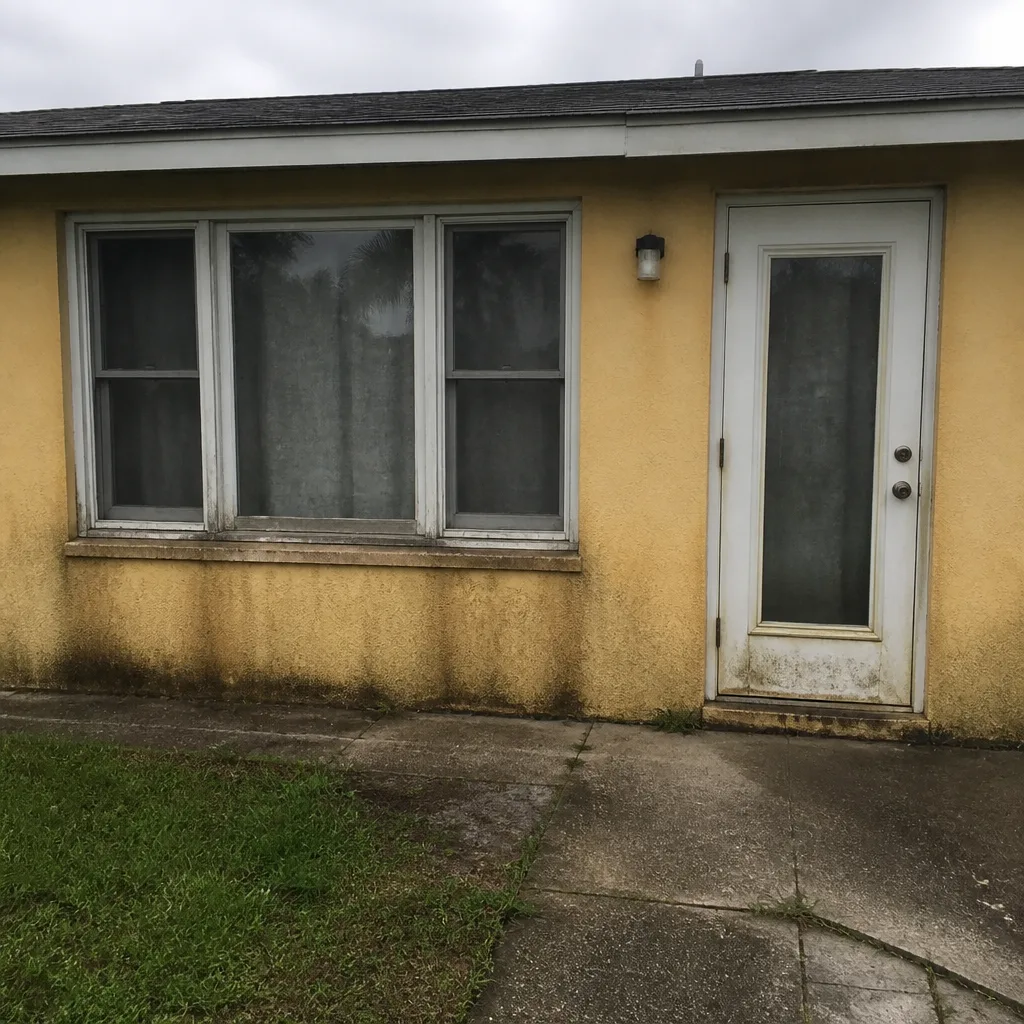 Before
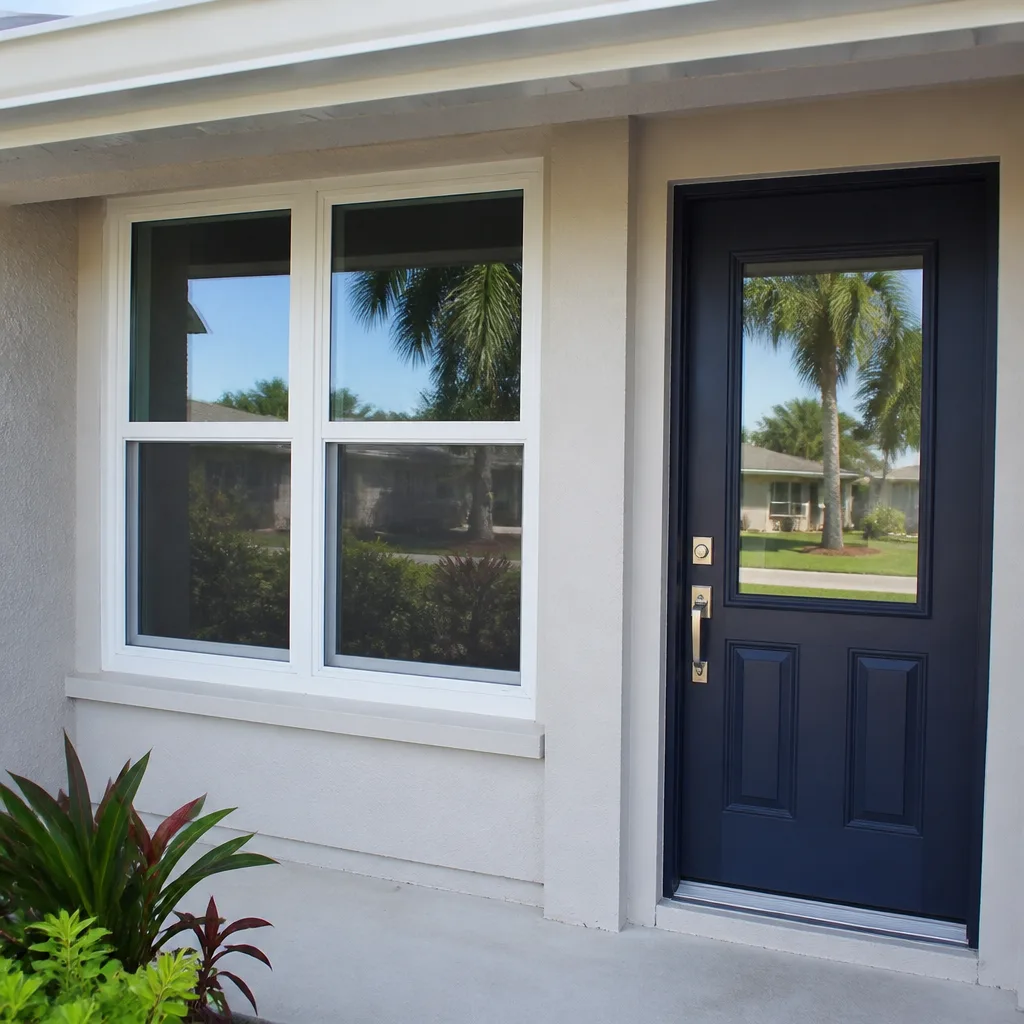 After
After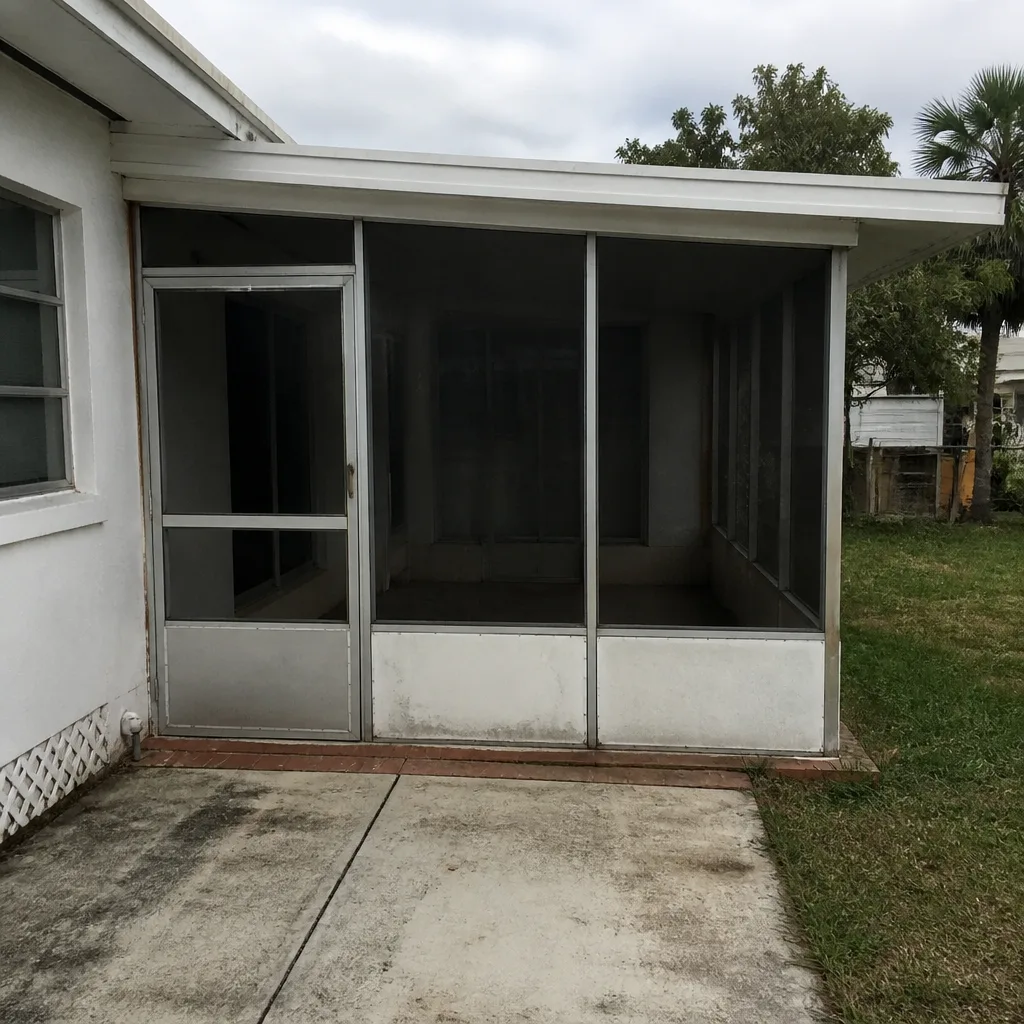 Before
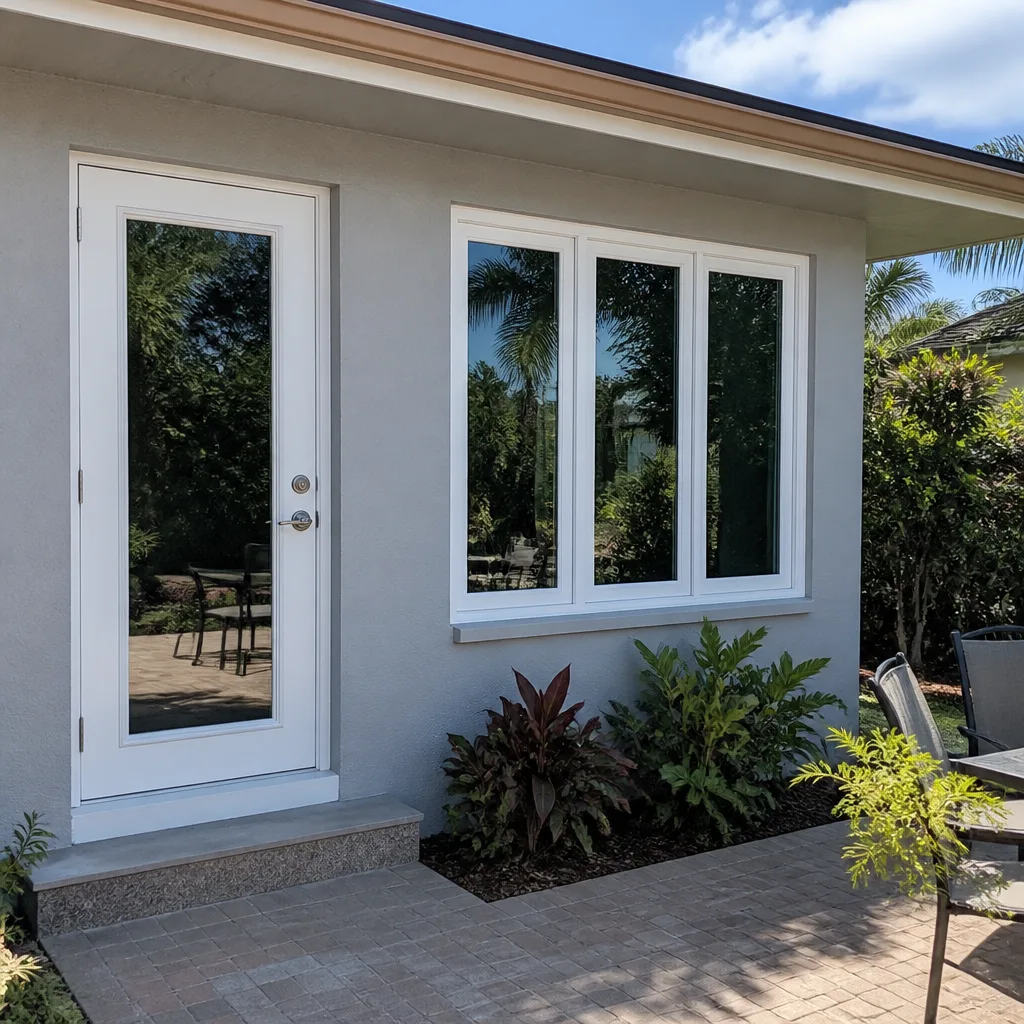 After
After Before
 After
AfterImpact Windows Maintenance Checklist for Mangonia Park Homeowners
Impact windows don’t fail during hurricanes. They fail in the 364 days between storms because homeowners assume “impact-rated” means “maintenance-free.” Here’s what we’ve learned after 15 years of installing and servicing impact windows across Mangonia Park: the combination of salt air drifting inland from the Atlantic, freshwater humidity rising off Lake Worth, and the relentless Florida sun creates a maintenance environment that pure coastal guides never address. This checklist gives you a month-by-month routine calibrated to where you actually live, not a generic Florida template. By the end, you’ll know exactly what to clean, when to lubricate, what to inspect, and which chemicals are quietly destroying your window seals.
Quick Answer
Impact window maintenance in Mangonia Park requires quarterly cleaning with pH-neutral cleaners, biannual hardware lubrication (spring and fall, not just annual), monthly weep hole inspection during the wet season from May through October, and two dedicated full inspections each year: one before hurricane season starts in June and one after it ends in November. Most homeowners spend about 90 minutes per quarter on maintenance, and that 6 hours a year protects a five-figure investment for decades. For related reading, see our Windows & Doors Cost Breakdown: The Mangonia Park Homeowner’s Reference for 2026.
Table of Contents
- Why Mangonia Park Is Different From Coastal Florida
- The Cleaners That Destroy Impact Window Seals
- Your Quarterly Cleaning Routine
- Weep Holes: The Humidity Silent Killer
- Hardware Lubrication Schedule for Mangonia Park
- Spotting Early Delamination in Laminated Impact Glass
- Pre-Hurricane vs. Post-Hurricane Inspections
- Common Mistakes to Avoid
- When to Call a Professional
- Frequently Asked Questions
- The Bottom Line
Why Mangonia Park Is Different From Coastal Florida
Most impact window maintenance advice online is written for Broward or Miami-Dade homeowners living within a mile of the ocean. That advice assumes your primary enemy is salt spray and sand abrasion. Mangonia Park sits roughly four miles inland, tucked between Interstate 95 and the Lake Worth Lagoon. That location creates a specific microclimate: you get enough salt air to corrode metal hardware, but not enough wind to blow it away. You get freshwater humidity off the lagoon that condenses on window frames overnight, feeding algae and mildew growth on weep holes and tracks. And you get afternoon thunderstorms from June through September that leave standing water on horizontal frame surfaces for hours.
We’ve pulled window frames out of homes near Ruby Street and Australian Avenue where the exterior looked fine but the internal weep drainage channels were completely clogged with a green-black algae sludge, something we rarely see in coastal Boca or Delray. That algae thrives in Mangonia Park’s specific blend of warm nights, freshwater moisture, and still air. Coastal homes get salt crust you can wipe away. Mangonia Park homes get biological growth that works its way inside the frame channels and stays there.
This matters because your maintenance routine has to target what’s actually happening to your windows, not what a generic Florida guide assumes. If you follow coastal advice, you’ll clean the glass and miss the frame biology that’s quietly causing rot and hardware failure. Our impact window installation team in Mangonia Park has spent years documenting which maintenance failures lead to which repairs, and this guide is built from that service record, not from a template.
The Cleaners That Destroy Impact Window Seals
Here’s the thing most homeowners never learn until it’s too late: the wrong glass cleaner doesn’t just streak your windows, it chemically attacks the interlayer that gives impact glass its strength. PGT and CGI impact windows use a polyvinyl butyral (PVB) or ionoplast interlayer sandwiched between two panes of glass. That interlayer is what holds the window together when a hurricane throws a 2×4 at it. And that interlayer is vulnerable to chemicals that seep in around the glass edges where the laminate is exposed at the frame line.
Ammonia-based cleaners like Windex are the worst offenders. Ammonia dissolves the edge seal compounds over time and can penetrate to the interlayer itself, causing a milky haze called edge clouding. Once that clouding starts, it doesn’t stop. The interlayer degrades, the window loses its impact rating, and the only fix is full replacement. We’ve replaced windows in Mangonia Park homes where the damage traced directly back to years of ammonia-based spray cleaner used on the interior glass.
What should you use instead? A pH-neutral, ammonia-free, alcohol-free glass cleaner. Here’s what that means in practical terms:
- Use: Plain warm water with a few drops of Dawn dish soap. Rinse with clean water. Dry with a microfiber cloth. This is the safest and cheapest option and it works.
- Use: A commercial cleaner labeled “ammonia-free” and “pH-neutral” like Sprayway Glass Cleaner or Zep Streak-Free Glass Cleaner. Check the label every time, formulas change.
- Never use: Anything with ammonia, bleach, vinegar, or acid-based formulas. Vinegar is acidic enough to attack edge seals over years of repeated use.
- Never use: Abrasive cleaners, Magic Erasers, razor blades, or steel wool. Scratches in the glass surface create stress concentration points that can cause a pane to fail under impact even when the laminate is intact.
- Never use: Pressure washers aimed at window frames from close range. The water pressure forces moisture past the weather stripping and into the frame channels, accelerating seal failure and mold growth inside the frame.
This is especially critical if you have ES Windows or ECO Window Systems products installed, which use specialized low-iron glass formulations that show chemical damage more visibly than standard float glass. If you’re not sure what cleaner is safe for your specific windows, call us and ask. We’ll tell you over the phone in two minutes.
Your Quarterly Cleaning Routine
Four times a year is the sweet spot for Mangonia Park. More often and you risk over-cleaning, which introduces unnecessary moisture and cleaning chemical exposure. Less often and the combination of pollen season in February and March plus summer mildew growth becomes visible and harder to remove. Here’s a simple quarterly routine that takes about 90 minutes for an average three-bedroom home with 12 to 15 window openings:
- Start with dry dusting. Use a soft microfiber cloth or a vacuum with a brush attachment to remove loose dust, pollen, and sand from the frame, track, and sill. Never wipe a dry window with a dry cloth first, that grinds abrasive particles into the glass surface and can cause micro-scratches.
- Clean the glass with pH-neutral cleaner. Spray the cleaner on the cloth, not directly on the glass. Wipe in straight lines, not circles. Dry with a separate clean microfiber cloth. Overlap your strokes slightly so you don’t leave cleaning residue lines at the edges.
- Clean the tracks and sills with a damp cloth. For sliding windows and doors, remove visible debris from the track using a vacuum crevice tool first, then wipe with warm water and a small amount of dish soap. Dry thoroughly. Standing water in tracks is an open invitation to algae in Mangonia Park’s climate.
- Inspect the weather stripping. Run your finger along the weather stripping around the frame. It should feel springy and return to shape when pressed. If it feels flat, cracked, or leaves a chalky residue on your finger, it’s degrading and needs replacement. Weather stripping is a $20 to $50 repair that prevents hundreds of dollars in water intrusion damage.
- Check every weep hole. More detail on this in the next section, but the quarterly clean is your chance to clear them before they clog completely.
- Operate every window fully. Open and close each window and door completely two or three times. Listen for grinding, scraping, or stickiness. A window that doesn’t open smoothly is telling you something about its hardware or alignment, and catching it early is always cheaper.
The timing matters more than people realize. We recommend aligning your quarterly clean with the first week of March, June, September, and December. March clears out pollen season debris. June is your pre-hurricane-season prep. September addresses summer storm residue. December handles the transition to drier winter air and gives you a clean start for the holidays.
Weep Holes: The Humidity Silent Killer
Weep holes are the small drainage openings along the bottom edge of your window and door frames. They’re designed to let water that gets into the frame track drain back out to the exterior. When they work, they’re invisible and you never think about them. When they clog, water has nowhere to go. It pools inside the frame, saturates the sill, and over time rots the frame from the inside out. In Mangonia Park, weep hole failure is the number one cause of premature impact window frame replacement we see, and it’s almost always preventable.
The problem is biological. Lake Worth Lagoon moisture plus South Florida heat creates ideal conditions for algae, mildew, and even small insects to colonize weep holes. A weep hole that’s only 3/8 inch wide can clog completely in as little as six weeks during the hottest months. Once clogged, the damage compounds: standing water breeds more growth, which expands and blocks more drainage, which holds more water. It’s a cycle that doesn’t break itself.
Here’s how to inspect and clear weep holes safely:
- Locate every weep hole. Start at the exterior bottom edge of each window and door frame. Most have two to four weep holes spaced along the sill. If you can’t find them, the frame may have a continuous drainage channel instead, which is common on newer PGT and CWS products.
- Check for obstructions. Use a flashlight to look into each weep hole. You’re checking for the green-black algae sludge common in Mangonia Park, plus insect nests, spider webs, and accumulated sand.
- Clear with a bottle brush or pipe cleaner. Insert gently 1 to 2 inches into the weep hole and twist. Do not use wire, toothpicks, or anything sharp, puncturing the internal drainage channel or the frame coating makes the problem worse. A pipe cleaner with soft bristles is ideal.
- Flush with clean water. Pour a small amount of clean water into the interior track and watch whether it drains out the weep hole. If it drains, you’re clear. If it pools, the clog is deeper in the frame channel and needs professional attention.
- Dry the track completely. After confirming drainage, wipe the track and sill dry. Standing water is what feeds the algae in the first place.
During the wet season from May through October, check weep holes every month. It takes five minutes. During the dry season from November through April, quarterly is sufficient. If you notice your weep holes clogging repeatedly even with monthly maintenance, that’s a sign the frame drainage design isn’t working well for your home’s specific exposure, and it’s worth having us take a look before the frame damage becomes expensive.
Hardware Lubrication Schedule for Mangonia Park
Generic impact window guides tell you to lubricate hardware annually. That advice is wrong for Mangonia Park, and it’s wrong for any high-humidity environment near fresh water. Between the lagoon humidity and the salt air, hardware on impact windows and especially multi-point locking doors degrades faster here than it does in drier inland Florida locations. Annual lubrication means your hinges, rollers, and lock mechanisms are running dry for months before the next service date.
The right schedule for Mangonia Park is twice a year: once in late March and once in late September. March prepares your hardware for the punishing summer humidity, when metal expands, seals swell, and friction increases. September addresses the salt and corrosion accumulated during hurricane season and prepares everything for the drier winter months when metal contracts and parts that were perfectly aligned in August start binding in December.
Here’s what to lubricate and what to use:
- Hinges on casement and awning windows: Use a white lithium grease or a silicone-based lubricant. Apply a thin film to the hinge pin and pivot points, then operate the window several times to work it in. Wipe away excess, excess lubricant attracts dust and becomes an abrasive paste.
- Rollers on sliding windows and doors: Use a silicone spray lubricant on the roller assemblies. Do not use WD-40, it’s a solvent designed to free stuck parts, not a long-term lubricant, and it leaves residue that attracts dirt. Clean the track first, then apply lubricant to the roller, not the track.
- Multi-point locking systems on Therma-Tru and other impact doors: This is the most critical hardware to maintain and the most commonly overlooked. Multi-point locks have up to five locking points that all need to engage smoothly. Use a dry graphite lubricant on the lock mechanism and strike plates. Never use oil-based lubricants on locks, they attract dust and debris that causes the mechanism to bind. If your door handle is stiff or the lock points don’t fully engage, that’s a sign the mechanism needs cleaning and lubrication, not force.
- Window cranks and operators: Use the same white lithium grease on the gear mechanism. If the crank feels gritty or makes a grinding sound, stop cranking. Forcing it strips the gears. Clean the mechanism with compressed air, then lubricate.
One more thing specific to Mangonia Park: if you have a pool cage or live near one of the many small lakes and ponds throughout the community, you’ll get more chlorine and more humidity in the air around your home. Chlorine is corrosive to window hardware. Homes within 200 feet of a pool should consider moving to a quarterly hardware lubrication schedule instead of biannual, especially on exterior-facing hardware surfaces.
Spotting Early Delamination in Laminated Impact Glass
Delamination is the slow separation of the laminated interlayer from the glass panes in an impact window. It’s the product equivalent of an aneurysm: invisible until it suddenly becomes critical, but detectable early if you know what you’re looking for. In Mangonia Park, the two biggest drivers of delamination are moisture intrusion around edge seals and prolonged UV exposure, and we get plenty of both.
Here’s the thing about delamination and NOA ratings: your impact windows have a Notice of Acceptance number that certifies they meet Florida Building Code impact standards based on testing with intact laminates. Once the interlayer begins separating from the glass, the window no longer performs as tested. The NOA rating is effectively void even though the window is still in the frame. If you live in a home built in the last 15 years in Mangonia Park, your windows are almost certainly required to maintain their impact rating, and a delaminated window no longer does.
Early warning signs to look for:
- Cloudy or milky edges. Look at the glass where it meets the frame. A healthy impact window has clear glass all the way to the edge. Early delamination shows as a hazy, milky band starting at the glass edge and working inward. This is called edge clouding and it’s the earliest reliable indicator. It can be subtle at first, which is why we check for it during every service visit.
- Bubbles or distortion in the glass. Hold your head at a steep angle to the glass surface and look across it, not through it. Bubbles between the glass and interlayer create subtle optical distortion. What looks like a smudge that won’t clean off might actually be the beginning of separation.
- Any visible air gap. In advanced cases, you’ll see an actual separation line between the glass and interlayer, often starting at a corner. When you can see it plainly, the window is already well past the point of repair.
- Increased heat transfer. If one window in a room feels noticeably warmer on the interior surface in direct sun than the windows next to it, the laminate may be failing. The interlayer is part of the window’s insulating system, and as it degrades, so does its thermal performance.
The frustrating reality is that delamination cannot be repaired. Once the interlayer separates from the glass, the only correct action is replacement. That’s why early detection matters: catching delamination in its earliest stages gives you time to budget and plan for window replacement in Mangonia Park on your schedule rather than discovering the problem when a storm is three days out. If you see any of these signs, call us for a professional assessment. We’ll tell you honestly whether it’s cosmetic staining or true delamination.
Pre-Hurricane vs. Post-Hurricane Inspections
You need two different inspection mindsets: one before hurricane season starts and one after it ends. They’re looking for different things because the risks are different. Treating them as interchangeable means missing the problems each one is designed to catch.
Pre-hurricane-season inspection (late May to early June): This is a readiness check. You’re asking: is everything in working order so my windows can do their job when a storm hits? The checklist is about function and seal integrity.
- Operate every window and door fully. A window that’s stuck, stiff, or won’t close properly can’t protect you. Fix it before the storm, not during it.
- Check every lock and multi-point mechanism engages fully. Impact windows only work if they’re fully closed and locked. A window that’s closed but not locked can blow open under pressure differential.
- Verify all weather stripping is intact and seating properly. Gaps in weather stripping let wind-driven rain penetrate during a storm even when the glass holds.
- Inspect the caulking around every frame. Look for cracks, gaps, or separation. Wind-driven rain under hurricane conditions finds every opening, and a failed caulk joint lets water into the wall cavity.
- Confirm weep holes are clear. Your drainage system works hardest during a hurricane, when rain is hitting the window horizontally. If weep holes are clogged before the storm, you’ll have water intrusion even if the window itself performs perfectly.
- Check for impact resistance degradation. This is the delamination check described above. If any window shows signs of delamination before hurricane season, it’s a five-figure liability sitting in your wall.
Post-hurricane-season inspection (late November to early December): This is a damage assessment. You’re looking for storm-related degradation that happened even if the window held and did its job. A window can perform perfectly during a storm and still need maintenance afterward.
- Look for impact marks on the glass. Small chips, nicks, or bullseye fractures from flying debris may have occurred even if the window didn’t break. These are called impact witness marks and they compromise the glass surface integrity. They also tell you where debris hit, which tells you which windows face the highest repeat risk.
- Check frame alignment. Storm pressure can flex frames slightly. A window that operated smoothly in May but binds in November may have a frame that shifted or a fastener that loosened.
- Inspect for water staining inside the tracks and sills. Even properly sealed windows can see minimal water intrusion during extreme wind-driven rain. That water should drain through the weep holes. If you see water staining, the drainage may have been overwhelmed, and the wall cavity around the window should be checked.
- Re-clear all weep holes. Debris, leaves, and small branches from the storm are the top culprits. Post-storm weep hole clogs are the most common preventable cause of frame rot we see.
- Test lock mechanisms for corrosion. Salt-heavy storm surge and rain can accelerate hardware corrosion even on inland Mangonia Park homes. If locks feel gritty or stiff, clean and re-lubricate them.
- Re-check the caulking. Storms can cause building movement through wind loading that cracks caulk joints even when the window installation is sound. Look for fresh cracks or separation.
If any of these inspections turn up something you’re unsure about, don’t guess. Our window installation team in Mangonia Park includes a full inspection with every estimate, and we’re happy to look at a specific concern even if you’re not ready to replace anything. A neighbor you can call at 2 a.m., and someone will actually answer.
Common Mistakes to Avoid
- Using ammonia-based glass cleaner on impact glass. This is the most expensive mistake we see. Ammonia attacks the edge seals and interlayer bonds. Every cleaning with Windex or a similar product shortens your window’s service life. Use pH-neutral cleaner or just warm water with Dawn.
- Lubricating only once a year. Mangonia Park humidity plus salt air means hardware needs attention twice a year minimum. Annual lubrication means your hardware runs dry for months and accelerated wear compounds year after year.
- Ignoring weep holes until water appears inside. By the time you see water on the interior sill or wall, the frame has been saturated for weeks or months. Weep hole inspection is a five-minute monthly task during the wet season. The repair for a rotted frame is not five minutes.
- Forcing a stuck window or stiff lock. Windows and locks bind for a reason: corrosion, debris, misalignment, or swelling. Forcing the mechanism transfers the stress to the weakest part, and that’s rarely the part you’d choose to sacrifice. When resistance increases, stop and investigate.
- Using WD-40 as a hardware lubricant. WD-40 is a water displacer and solvent, not a lubricant. It frees stuck parts temporarily, then evaporates and leaves a residue that attracts dust and grit, making the problem worse. Use white lithium grease, silicone spray, or dry graphite as appropriate for the specific component.
- Pressure washing impact windows during annual house cleaning. Pressure washers force water past weather stripping and into frame channels at pressures the drainage system was never designed to handle. This is a common cause of seal failure in homes where the windows were otherwise well-maintained.
- Assuming impact windows are maintenance-free. They’re not. They’re lower-maintenance than standard windows in some ways and higher-maintenance in others. The rating protects you during storms, but it only lasts as long as the seals, hardware, and drainage systems are maintained. Ignoring maintenance is how a 20-year rated window becomes a 12-year replacement.
When to Call a Professional
Some maintenance tasks are safe and appropriate for a diligent homeowner. Others aren’t, and knowing which is which prevents both injury and expensive mistakes. Call a professional if you see any of these: visible delamination or edge clouding in laminated glass, water staining on interior drywall or window sills that appears after rain, a frame that’s visibly pulling away from the wall, a multi-point lock that won’t fully engage even after lubrication, any window that won’t open or close fully despite cleaning and lubrication, or impact witness marks from storm debris, even if the window didn’t break. These are all signs of problems that compound quickly and rarely improve on their own. For more guides & resources on window and door care, visit our blog. Winslow Windows & Doors offers free estimates in Mangonia Park, call (561) 928-0302 and we’ll come look. We’ve been serving this community since 2011, and Ed Winslow’s name is on every job we do.
Frequently Asked Questions
Impact windows in Mangonia Park should be cleaned quarterly: March, June, September, and December. This schedule clears spring pollen, preps for hurricane season, addresses summer storm residue, and handles the dry-season transition. Homes within 200 feet of a pool or pond may need more frequent track and hardware cleaning due to chlorine and humidity exposure. If you’re not sure how often your specific location needs service, call us at (561) 928-0302 and we’ll give you a straight answer.
The best cleaner for impact windows is a pH-neutral, ammonia-free, alcohol-free product, or simply warm water with a few drops of Dawn dish soap. Ammonia-based cleaners like Windex degrade the PVB interlayer and edge seals over time, which compromises the window’s impact rating. Apply cleaner to the cloth rather than spraying directly on the glass, and dry with a clean microfiber towel. Vinegar, bleach, and abrasive cleaners should all be avoided on impact glass and frames.
Impact windows need the same categories of maintenance as standard windows, cleaning, lubrication, drainage, and inspection, but the stakes are higher because the maintenance protects an impact rating you’re legally required to maintain in Florida Building Code jurisdictions like Mangonia Park. Neglecting weep holes, using ammonia cleaners, or ignoring hardware binding doesn’t just reduce performance, it voids the testing certification that your window depends on. Annual professional inspection plus the quarterly routines in this guide covers it.
Early delamination shows as a milky or hazy band starting at the glass edge and working inward, called edge clouding. Later signs include visible bubbles or distortion in the glass, an actual separation line between glass and interlayer, and increased heat transfer through one window compared to adjacent windows. Once delamination begins, it cannot be repaired, only replaced. If you see any of these signs, call (561) 928-0302 for a professional assessment before the problem worsens.
Properly maintained impact windows in Florida typically last 20 to 30 years, with PGT and CGI products often performing at the higher end of that range. In Mangonia Park, the main factors that shorten lifespan are weep hole failure leading to frame rot, ammonia-based cleaner damage, and neglected hardware causing frame stress. We’ve replaced impact windows as young as 10 years that were destroyed by maintenance failures, and we’ve seen 25-year-old installations still performing well when they were serviced consistently. Your maintenance routine is the difference between those two outcomes.
No. Pressure washing forces water past weather stripping and into frame channels at pressures the drainage system cannot handle. This causes seal failure and internal frame moisture damage, often without any visible sign until the problem is advanced. Clean impact windows by hand with pH-neutral cleaner, warm water, and a microfiber cloth. If your house exterior needs pressure washing, mask the window frames first and use the lowest pressure setting that still removes debris. If you have any doubts, Winslow Windows & Doors offers free estimates in Mangonia Park, call (561) 928-0302.
The Bottom Line
Impact windows are an investment in your home’s safety, and like any investment, they respond to consistent attention. In Mangonia Park, that means quarterly cleaning with pH-neutral products, biannual hardware lubrication, monthly weep hole checks during the wet season, and two focused inspections each year tied to hurricane season. The specific threats here, lagoon-fed humidity, algae growth in drainage channels, salt air corrosion, and intense UV exposure, are all manageable if you know what you’re looking for and stay ahead of them. Miss the maintenance and a 20-year window becomes a 10-year liability. Stay on it and your windows will protect your home for decades. That’s the standard we hold ourselves to at Winslow Windows & Doors home, and it’s the standard your windows were built to meet. If you ever want a second set of eyes on your windows, we’re the one down the road, call (561) 928-0302 for your free estimate.
Written by Ed Winslow, Owner at Winslow Windows & Doors, serving Mangonia Park since 2011.
Six Reasons Homeowners Choose Winslow Windows & Doors
Impact systems engineered to design pressures up to +/-100, matched to your wind zone - your openings hold when the storm arrives.
Low-E insulated impact glass from our manufacturer lines commonly cuts monthly cooling bills 20-30%.
Laminated impact glass shuts out up to 40% of outside noise - traffic, neighbors, weather.
Monitoring services run $30-90 a month. Laminated impact glass resists forced entry around the clock, with no subscription.
Florida homeowners average around 25% savings on the windstorm portion of their policy after protecting every opening - some homes qualify for more.
A full impact package upgrades curb appeal, buyer confidence and appraised value in one project.